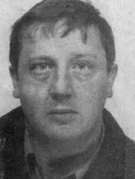
I HOPE NEVER TO EXPERIENCE ANYTHING LIKE THIS AGAIN
I hope never to experience anything like this again
By JOHN DRENNAN
Sunday Independent
I SUPPOSE I should begin my overall impressions of the Omagh Inquest by stating where I was the day the bomb went off. I was on a weekend holiday in Belfast with a friend. Like many Southerners, my companion had been a little nervous about her first trip up to Belfast. However there was a peace process, a new dispensation and all that other stuff we were told would happen.
That afternoon as we left the hotel I recall some vague news breaking about a bomb. We assumed it was just another 'economic attack' and left for dinner. It was only at about ten that night when I casually flicked on the news and heard the casualties mount by the minute that we realised what had happened.
The next day she left Belfast vowing never to return and I journeyed to Omagh. It wasn't until I reached the town that I received any inkling of the scale of what had happened. Up to then it was merely numbers, ten, fifteen, twenty, twenty-five and still rising. That day however as we drove through the housing estates to the leisure centre it seemed that every estate had people in tears streaming outside of one house to another. My conception of the extent of what had occurred was just beginning.
What added to the sadness of all that occurred is the attractiveness of the town. Unlike so many other parts of Ulster its streets are not scarred by sectarian flags and graffiti. It suggests to the outsider that this is a civilised place where people live easily with their neighbours.
The town is infused with a natural friendliness which has been lost in the commercialised South. I found Omagh's people are friendly without being intrusive and Mrs Fox's guest house in Arleston Park is as good a place as any to spend a month. As I travelled to the Inquest I was also struck by the dissonance between what I was hearing in the leisure centre and the natural beauty of Omagh's small dark water salmon spawning streams curling around hills and those small rabbit dotted boreens with a thousand elderberry trees curved over them with the weight of autumn fruit. Keats would have been at home in a place like this.
The Inquest itself is something I hope never to experience again. I have covered many sad events, the murders in Poyntzpass - a village very like Omagh, comes to mind. Being still relatively young I have also been fortunate in having missed out on some of the worst atrocities in the North. However every journalist be they young or experienced were deeply affected by the events which were described. One woman journalist for example was unable to sleep after the first week.
Of course our upset was nothing compared to the trauma being experienced by the families. Their stoic courage and dignity as they listened to the clinical descriptions of what had been perpetrated on their loved ones had almost a First World War quality about it.
It is not my intention to rake over the coals of the worst moments of the Inquest. It should be pointed out however that the reports posed all of us with a very serious ethical dilemma. No journalist who was there wanted to graze as it were on the devastation of other people.
However our job is to tell the truth about events. A bomb had exploded. Human bodies and all the dreams, love and latent promise contained in these forms had been shattered in the most cynical vicious random way. If we did not describe what had happened we would be engaging in an act of collusion with the RIRA. We would be propagandising for them in hiding the truth.
The journalists who covered the Inquest were at all times informed by the desire to achieve a balance between excessive intrusiveness which would hurt the families and the need to tell the truth of what happened. Hopefully we succeeded.
Strange, for all the pain, I believe there were positive aspects to the Inquest too. The heroism of those men and women, many themselves seriously wounded, who raced into that heart of darkness without even a thought of secondary devices to comfort and aid the stricken was deeply impressive.
One can only compare the courage of individuals, chaps playing bowls, men sitting in pubs, the RUC and traffic wardens to the actions of the RIRA who raced away from the bomb.
There were other positive aspects. People learned that their loved ones, for the most part, died quickly and were not in pain. They discovered people had held their loved ones in those final moments. Who knows but perhaps even as people died they may have known in a subconscious way that they were not alone and were being cared for. One thinks particularly of the young girl holding a dead girls hand because the girl would not want to be alone were she alive.
These are small consolations but at least they have been discovered. Another source of comfort may also have been the respect with which the bodies were treated.
Sadly that is as good as things get. One of the main sources of guilt amongst journalists who talked to the families came when they expressed their hopes that there would be further Inquiries of that the Governments took the sort of action which is necessary to apprehend these men. We did not tell the families about our suspicions that they will be given an Inquest and nothing else. Were we wrong? Perhaps. But who are we to trample on hope.
Indeed that last word is a concept which is critical to Omagh's future. It is good to see for example new buildings going up on the site of the bomb. It creates the impression of a town mindful of the past but also looking for the future for if hope is lost then the bombers will win.
One other thing came to mind on that final day as I walked past Strule Bridge and those memorials to those who fell in the Boer War and the First World War. The pain caused by those experiences must have been awful too. Yet it passed and the town recovered. Some day in the future, though the victims will never be forgotten on either side of the border, the pain caused by that awful day more than two years ago will recede.
John Drennan is a political columnist with the Sunday Independent and Ireland's leading current affairs publication Magill. Outside of Omagh he has reported extensively on Northern issues such as The Good Friday Agreement, the referendum, the Assembly elections and the Patten debate.
By JOHN DRENNAN
Sunday Independent
I SUPPOSE I should begin my overall impressions of the Omagh Inquest by stating where I was the day the bomb went off. I was on a weekend holiday in Belfast with a friend. Like many Southerners, my companion had been a little nervous about her first trip up to Belfast. However there was a peace process, a new dispensation and all that other stuff we were told would happen.
That afternoon as we left the hotel I recall some vague news breaking about a bomb. We assumed it was just another 'economic attack' and left for dinner. It was only at about ten that night when I casually flicked on the news and heard the casualties mount by the minute that we realised what had happened.
The next day she left Belfast vowing never to return and I journeyed to Omagh. It wasn't until I reached the town that I received any inkling of the scale of what had happened. Up to then it was merely numbers, ten, fifteen, twenty, twenty-five and still rising. That day however as we drove through the housing estates to the leisure centre it seemed that every estate had people in tears streaming outside of one house to another. My conception of the extent of what had occurred was just beginning.
What added to the sadness of all that occurred is the attractiveness of the town. Unlike so many other parts of Ulster its streets are not scarred by sectarian flags and graffiti. It suggests to the outsider that this is a civilised place where people live easily with their neighbours.
The town is infused with a natural friendliness which has been lost in the commercialised South. I found Omagh's people are friendly without being intrusive and Mrs Fox's guest house in Arleston Park is as good a place as any to spend a month. As I travelled to the Inquest I was also struck by the dissonance between what I was hearing in the leisure centre and the natural beauty of Omagh's small dark water salmon spawning streams curling around hills and those small rabbit dotted boreens with a thousand elderberry trees curved over them with the weight of autumn fruit. Keats would have been at home in a place like this.
The Inquest itself is something I hope never to experience again. I have covered many sad events, the murders in Poyntzpass - a village very like Omagh, comes to mind. Being still relatively young I have also been fortunate in having missed out on some of the worst atrocities in the North. However every journalist be they young or experienced were deeply affected by the events which were described. One woman journalist for example was unable to sleep after the first week.
Of course our upset was nothing compared to the trauma being experienced by the families. Their stoic courage and dignity as they listened to the clinical descriptions of what had been perpetrated on their loved ones had almost a First World War quality about it.
It is not my intention to rake over the coals of the worst moments of the Inquest. It should be pointed out however that the reports posed all of us with a very serious ethical dilemma. No journalist who was there wanted to graze as it were on the devastation of other people.
However our job is to tell the truth about events. A bomb had exploded. Human bodies and all the dreams, love and latent promise contained in these forms had been shattered in the most cynical vicious random way. If we did not describe what had happened we would be engaging in an act of collusion with the RIRA. We would be propagandising for them in hiding the truth.
The journalists who covered the Inquest were at all times informed by the desire to achieve a balance between excessive intrusiveness which would hurt the families and the need to tell the truth of what happened. Hopefully we succeeded.
Strange, for all the pain, I believe there were positive aspects to the Inquest too. The heroism of those men and women, many themselves seriously wounded, who raced into that heart of darkness without even a thought of secondary devices to comfort and aid the stricken was deeply impressive.
One can only compare the courage of individuals, chaps playing bowls, men sitting in pubs, the RUC and traffic wardens to the actions of the RIRA who raced away from the bomb.
There were other positive aspects. People learned that their loved ones, for the most part, died quickly and were not in pain. They discovered people had held their loved ones in those final moments. Who knows but perhaps even as people died they may have known in a subconscious way that they were not alone and were being cared for. One thinks particularly of the young girl holding a dead girls hand because the girl would not want to be alone were she alive.
These are small consolations but at least they have been discovered. Another source of comfort may also have been the respect with which the bodies were treated.
Sadly that is as good as things get. One of the main sources of guilt amongst journalists who talked to the families came when they expressed their hopes that there would be further Inquiries of that the Governments took the sort of action which is necessary to apprehend these men. We did not tell the families about our suspicions that they will be given an Inquest and nothing else. Were we wrong? Perhaps. But who are we to trample on hope.
Indeed that last word is a concept which is critical to Omagh's future. It is good to see for example new buildings going up on the site of the bomb. It creates the impression of a town mindful of the past but also looking for the future for if hope is lost then the bombers will win.
One other thing came to mind on that final day as I walked past Strule Bridge and those memorials to those who fell in the Boer War and the First World War. The pain caused by those experiences must have been awful too. Yet it passed and the town recovered. Some day in the future, though the victims will never be forgotten on either side of the border, the pain caused by that awful day more than two years ago will recede.
John Drennan is a political columnist with the Sunday Independent and Ireland's leading current affairs publication Magill. Outside of Omagh he has reported extensively on Northern issues such as The Good Friday Agreement, the referendum, the Assembly elections and the Patten debate.
Further Information
Publisher: ULSTER HERALD
Ref: UH/1499
Published Date: 05-Oct-00
Related Images