TRUE NUMBER OF CASUALTIES MAY NEVER BE KNOWN
True number of casualties may never be known
By NIGEL MCDONAGH
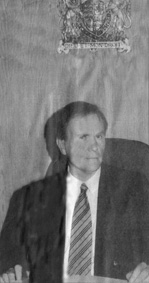
In his opening statement at the commencement of the inquests into the deaths of those who'died as a result of the Omagh bomb, Coroner Mr John Leckey, said that due to the horrific nature of the explosion, the true number of casualties from the bomb may never be known.
Describing the events prior to the explosion, Coroner Leckey said as a consequence 29 persons died as well as two unborn twin girls and posed the question, "Who could deny that the true number of fatalities was in reality 31?"
"Over 300 people were injured, some very seriously. Families were devastated. The horrific nature of the atrocity left many people, not just the injured, deeply traumatised and some still require professional help and I understand that for some the mental scars will never heal.
"The true number of casualties - and the word 'casualties' deserves to have a generous interpretation - from the Omagh bomb explosion is, without doubt, far in excess of the number killed and injured and the exact number number may never be known," he said.
Admitting that the hearing of the inquests into the deaths will be a harrowing time for the families, Mr Leckey added that it was inevitable that the inquest will resurrect many sad and unpleasant memories.
He said he was very conscious of the fact that for many families the Omagh Leisure Complex will forever be associated with this dreadful event, and it cannot be easy to have to return to the Minor Hall to participate in the inquest hearings.
"A number of possible venues in Omagh town and the surrounding area were considered but, with the exception of the Minor Hall, none were considered suitable.
"My strong wish was that the inquest should should take place in Omagh rather than elsewhere, for example Belfast, and I am sure that was the wish of the families also," he said.
Mr Leckey said that due to the scale of the atrocity it was inevitable that the hearing will be prolonged and he anticipated it lasting in the region of four weeks and added that the accompanying media attention is another cross the families have to bear.
"Understandably, these inquests have generated considerable media interest. Two of those who died were from Spain, one from England and two from the Republic of Ireland underlining the fact the atrocity had an international dimension.
"I am sure the media are conscious of the fact that each of the bereaved families has suffered a profound tragedy and will report the proceedings sensitively," he said.
Recognising that not many of those present would be familiar with inquest proceedings, the Coroner proceeded to briefly explain the purpose of an inquest.
"It has been said that whilst an inquest is an inquiry in public into the circumstances of an unnatural death, it is not a Public Inquiry.
"Neither is it a criminal trial nor a civil action. Rather it is a form of inquisitorial procedure the aim of which is to establish certain categories of information who the deceased was; how, when and where the deceased came by his death, and the particulars required for the death to be registered," he said.
Mr Leckey emphasised that the role of an inquest is a fact-finding one only and added that the Coroner's legislation in Northern Ireland prohibits the coroner expressing 'any opinion on questions of criminal or civil liability'.
"It should contain no comment on matters of criminal or civil liability or on the apportionment of guilt or the attribution of blame, he said.
"It has been recognised that in the course of an inquest hearing facts bearing on criminal and civil liability may be explored - the circumstances of the death may make that inevitable.
"What is important is that the finding should not contain any comment that appears to make any determination on those issues," he added.
The Coroner then went on to state that due to the circumstances of the deaths he has decided not to sit with a jury and that 'properly interested persons' may examine witnesses either in person or by their legal representative.
"The term 'properly interested person' does not have a statutory definition in our legislation. Colonial practice in Northern Ireland, by and large, mirrors the statutory position in England and Wales so a parent, child, spouse and any personal representative of the deceased would be considered a properly interested person.
"Beyond that a coroner would have a discretion as to who would come with the meaning of that phrase," he said
In conclusion the coroner proceeded to state the witnesses procedure of giving evidence.
"Each witness will give evidence under oath or following affirmation. Once I have asked any questions I consider relevant, each legal representative in turn then will have an opportunity to ask questions.
"Any properly interested person not legally represented will have a similar opportunity. When each witness has concluded giving evidence, a transcript of their evidence will be signed by both the witness and myself," said Mr Leckey.
By NIGEL MCDONAGH
In his opening statement at the commencement of the inquests into the deaths of those who'died as a result of the Omagh bomb, Coroner Mr John Leckey, said that due to the horrific nature of the explosion, the true number of casualties from the bomb may never be known.
Describing the events prior to the explosion, Coroner Leckey said as a consequence 29 persons died as well as two unborn twin girls and posed the question, "Who could deny that the true number of fatalities was in reality 31?"
"Over 300 people were injured, some very seriously. Families were devastated. The horrific nature of the atrocity left many people, not just the injured, deeply traumatised and some still require professional help and I understand that for some the mental scars will never heal.
"The true number of casualties - and the word 'casualties' deserves to have a generous interpretation - from the Omagh bomb explosion is, without doubt, far in excess of the number killed and injured and the exact number number may never be known," he said.
Admitting that the hearing of the inquests into the deaths will be a harrowing time for the families, Mr Leckey added that it was inevitable that the inquest will resurrect many sad and unpleasant memories.
He said he was very conscious of the fact that for many families the Omagh Leisure Complex will forever be associated with this dreadful event, and it cannot be easy to have to return to the Minor Hall to participate in the inquest hearings.
"A number of possible venues in Omagh town and the surrounding area were considered but, with the exception of the Minor Hall, none were considered suitable.
"My strong wish was that the inquest should should take place in Omagh rather than elsewhere, for example Belfast, and I am sure that was the wish of the families also," he said.
Mr Leckey said that due to the scale of the atrocity it was inevitable that the hearing will be prolonged and he anticipated it lasting in the region of four weeks and added that the accompanying media attention is another cross the families have to bear.
"Understandably, these inquests have generated considerable media interest. Two of those who died were from Spain, one from England and two from the Republic of Ireland underlining the fact the atrocity had an international dimension.
"I am sure the media are conscious of the fact that each of the bereaved families has suffered a profound tragedy and will report the proceedings sensitively," he said.
Recognising that not many of those present would be familiar with inquest proceedings, the Coroner proceeded to briefly explain the purpose of an inquest.
"It has been said that whilst an inquest is an inquiry in public into the circumstances of an unnatural death, it is not a Public Inquiry.
"Neither is it a criminal trial nor a civil action. Rather it is a form of inquisitorial procedure the aim of which is to establish certain categories of information who the deceased was; how, when and where the deceased came by his death, and the particulars required for the death to be registered," he said.
Mr Leckey emphasised that the role of an inquest is a fact-finding one only and added that the Coroner's legislation in Northern Ireland prohibits the coroner expressing 'any opinion on questions of criminal or civil liability'.
"It should contain no comment on matters of criminal or civil liability or on the apportionment of guilt or the attribution of blame, he said.
"It has been recognised that in the course of an inquest hearing facts bearing on criminal and civil liability may be explored - the circumstances of the death may make that inevitable.
"What is important is that the finding should not contain any comment that appears to make any determination on those issues," he added.
The Coroner then went on to state that due to the circumstances of the deaths he has decided not to sit with a jury and that 'properly interested persons' may examine witnesses either in person or by their legal representative.
"The term 'properly interested person' does not have a statutory definition in our legislation. Colonial practice in Northern Ireland, by and large, mirrors the statutory position in England and Wales so a parent, child, spouse and any personal representative of the deceased would be considered a properly interested person.
"Beyond that a coroner would have a discretion as to who would come with the meaning of that phrase," he said
In conclusion the coroner proceeded to state the witnesses procedure of giving evidence.
"Each witness will give evidence under oath or following affirmation. Once I have asked any questions I consider relevant, each legal representative in turn then will have an opportunity to ask questions.
"Any properly interested person not legally represented will have a similar opportunity. When each witness has concluded giving evidence, a transcript of their evidence will be signed by both the witness and myself," said Mr Leckey.
Further Information
Publisher: ULSTER HERALD
Ref: UH/1437
Published Date: 07-Sep-00
Related Images