THE SEARCH FOR JUSTICE FOR OMAGH BOMB VICTIMS
The search for justice for Omagh bomb victims
BY ADRIAN MULLAN
a.mullan@ulsterherald.com
In the ten years since the mass murder at Omagh's Market Street, there have been numerous attempts to bring those responsible to account both by the authorities in the Republic and in the North, and by the families by way of private prosecutions.
MURPHY TRIAL AND APPEAL
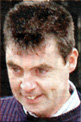
THE only man jailed over the 1998 Omagh bombing was Colm Murphy, right, from Dundalk, Co. Louth. The 52-year-old was sentenced to 14 years in 2002, but had his conviction quashed on appeal on the grounds that his conviction for conspiring to cause the explosion was unsafe.
At Dublin's Court of Criminal Appeal, Mr Justice Nicholas Kearns granted a retrial on two grounds relating to the evidence of detectives at his trial.
The original trial found he loaned his own mobile phone and another phone to the gang who planted the Omagh bomb, knowing they would be used for moving bombs.
It is alleged that two Gardai members tampered their note book interviews. Murphy was subsequently released on bail, however, his retrial has been put back following a claim by his legal representatives that he is suffering from short term memory loss following a road traffic accident.
In separate court proceedings, two detective gardai, who are accused of perjury relating to their evidence during Mr Murphy's trial, were served with books of evidence at Dublin District Court on Friday morning. They are both based in Carrickmacross in Co. Monaghan.
MCKEVITT TRIAL AND CONVICTION
THOUGH never charged or connected directly with the bombing of Omagh, the man thought to be the head of that organisation, Michael McKevitt, right, was successfully prosecuted for 'directing terrorism in a trial that has been heavily criticised by many observers.
McKevitt is the first person to appear at the Republic's non-jury Special Criminal Court charged with directing terrorism an offence which was placed on the books as one of a raft of measures introduced by the Republic's Government following the Omagh massacre. A week before the end of the trial McKevitt had sacked his legal team.
McKevitt had, at one juncture, refused to leave his cell, conducting what he said was a 'dignified peaceful protest' beneath the Special Criminal Court.
He denounced the proceedings as a political show trial. The Co. Louth businessman was also charged with membership of an illegal organisation a charge which he also denied.
In finding him guilty the three judges stressed that the offences McKevitt was convicted of dated from after the atrocity. McKevitt was not in court when the verdict was delivered by the court's three judges.
The three justices said the chief prosecution witness, FBI agent David Rupert, was a truthful witness and his credibility had not been impugned.
He was sentenced to 20 years in prison for directing the organisation behind the Omagh bomb atrocity. He lost his action at the Supreme Court in which he claimed his trial was unfair.
McKevitt claimed he did not get a fair trial because his team had not been supplied with all information relating to key witness, FBI agent David Rupert, but five Supreme Court judges ruled the conviction was safe and dismissed the appeal, in July past.
HOEY TRIAL AND ACQUITTAL
A 30-YEAR-old mechanic, Sean Hoey, right, from Jonesborough, Armagh, was brought to trial in 2006, on some 56 charges all relating to the Omagh bomb. However, in what was a sensation that rocked forensic science and called into question hundreds of other convictions in the UK, Hoey was acquitted.
The prosecution had relied almost entirely on low copy DNA to connect the accused to the bombing. However, the trial heard that the samples relied upon were one millionth the size of a single grain of salt. A raft of experts called the method into question alleging the results of any such test was open to interpretation. There were other dimensions to the prosecution case, including the alleged existence of fibre evidence, which the Crown claimed showed connections between Hoey's home and a number of Real IRA bombings in 1998. The Crown further claimed there were similarities between the bomb timers used in a number of those Real IRA attacks.
The trial judge, Mr Justice Weir severely criticised the evidence given by two police officers. He said there had been a "deliberate and calculated deception by police". Transcripts of the trial were sent to the police ombudsman.
The judge added, "I am acutely aware that the stricken people of Omagh and every other right-thinking member of the Northern Ireland community would very much wish to see whoever was responsible for the outrageous offence of August 1998 and other serious crimes in this series of terrorist incidents convicted and punished for their crimes according to law."
CIVIL ACTION AGAINST SUSPECTS
AFTER almost seven years of preparation and fund-raising, some of the relatives of those who died in the blast began a civil action against five people they believe to have been behind the attack on Omagh.
At the opening of the case at the High Court in Belfast, in April, Daniel Brennan QC, who is representing the families, described the attack as "a massacre of innocents".
Brennan also said that the case was an "unprecedented civil action."
The five defendants in the case are Michael McKevitt, Colm Murphy, Liam Campbell, Seamus McKenna and Seamus Daly, pictured right. All five are defending the action.
Victims relatives say they were inspired to seek damages by the families who successfully sued OJ Simpson in a US civil court, after he had been cleared in a criminal court.
A ruling by the Republics supreme court entitles relatives of the dead to obtain transcripts and books of evidence from previous criminal trials of the five men.
The groundbreaking case is the first time victims of terrorism are confronting the alleged perpetrators. It is also the first time a Northern Ireland case is being heard in the south. The five are being sued for over seventeen million Euro.
Former NI Secretary of State Peter Mandelson departed from normal government practice when he provided a sizeable portion of the money required by the families to take the case. There were also long legal wrangles before the case proper started, questioning the government's position and seeking legal aid for the defendants. The case which ran for 11 weeks in Dublin and Belfast was last in court at the end of June and is expected to resume in October.
BY ADRIAN MULLAN
a.mullan@ulsterherald.com
In the ten years since the mass murder at Omagh's Market Street, there have been numerous attempts to bring those responsible to account both by the authorities in the Republic and in the North, and by the families by way of private prosecutions.
MURPHY TRIAL AND APPEAL
THE only man jailed over the 1998 Omagh bombing was Colm Murphy, right, from Dundalk, Co. Louth. The 52-year-old was sentenced to 14 years in 2002, but had his conviction quashed on appeal on the grounds that his conviction for conspiring to cause the explosion was unsafe.
At Dublin's Court of Criminal Appeal, Mr Justice Nicholas Kearns granted a retrial on two grounds relating to the evidence of detectives at his trial.
The original trial found he loaned his own mobile phone and another phone to the gang who planted the Omagh bomb, knowing they would be used for moving bombs.
It is alleged that two Gardai members tampered their note book interviews. Murphy was subsequently released on bail, however, his retrial has been put back following a claim by his legal representatives that he is suffering from short term memory loss following a road traffic accident.
In separate court proceedings, two detective gardai, who are accused of perjury relating to their evidence during Mr Murphy's trial, were served with books of evidence at Dublin District Court on Friday morning. They are both based in Carrickmacross in Co. Monaghan.
MCKEVITT TRIAL AND CONVICTION
THOUGH never charged or connected directly with the bombing of Omagh, the man thought to be the head of that organisation, Michael McKevitt, right, was successfully prosecuted for 'directing terrorism in a trial that has been heavily criticised by many observers.
McKevitt is the first person to appear at the Republic's non-jury Special Criminal Court charged with directing terrorism an offence which was placed on the books as one of a raft of measures introduced by the Republic's Government following the Omagh massacre. A week before the end of the trial McKevitt had sacked his legal team.
McKevitt had, at one juncture, refused to leave his cell, conducting what he said was a 'dignified peaceful protest' beneath the Special Criminal Court.
He denounced the proceedings as a political show trial. The Co. Louth businessman was also charged with membership of an illegal organisation a charge which he also denied.
In finding him guilty the three judges stressed that the offences McKevitt was convicted of dated from after the atrocity. McKevitt was not in court when the verdict was delivered by the court's three judges.
The three justices said the chief prosecution witness, FBI agent David Rupert, was a truthful witness and his credibility had not been impugned.
He was sentenced to 20 years in prison for directing the organisation behind the Omagh bomb atrocity. He lost his action at the Supreme Court in which he claimed his trial was unfair.
McKevitt claimed he did not get a fair trial because his team had not been supplied with all information relating to key witness, FBI agent David Rupert, but five Supreme Court judges ruled the conviction was safe and dismissed the appeal, in July past.
HOEY TRIAL AND ACQUITTAL
A 30-YEAR-old mechanic, Sean Hoey, right, from Jonesborough, Armagh, was brought to trial in 2006, on some 56 charges all relating to the Omagh bomb. However, in what was a sensation that rocked forensic science and called into question hundreds of other convictions in the UK, Hoey was acquitted.
The prosecution had relied almost entirely on low copy DNA to connect the accused to the bombing. However, the trial heard that the samples relied upon were one millionth the size of a single grain of salt. A raft of experts called the method into question alleging the results of any such test was open to interpretation. There were other dimensions to the prosecution case, including the alleged existence of fibre evidence, which the Crown claimed showed connections between Hoey's home and a number of Real IRA bombings in 1998. The Crown further claimed there were similarities between the bomb timers used in a number of those Real IRA attacks.
The trial judge, Mr Justice Weir severely criticised the evidence given by two police officers. He said there had been a "deliberate and calculated deception by police". Transcripts of the trial were sent to the police ombudsman.
The judge added, "I am acutely aware that the stricken people of Omagh and every other right-thinking member of the Northern Ireland community would very much wish to see whoever was responsible for the outrageous offence of August 1998 and other serious crimes in this series of terrorist incidents convicted and punished for their crimes according to law."
CIVIL ACTION AGAINST SUSPECTS
AFTER almost seven years of preparation and fund-raising, some of the relatives of those who died in the blast began a civil action against five people they believe to have been behind the attack on Omagh.
At the opening of the case at the High Court in Belfast, in April, Daniel Brennan QC, who is representing the families, described the attack as "a massacre of innocents".
Brennan also said that the case was an "unprecedented civil action."
The five defendants in the case are Michael McKevitt, Colm Murphy, Liam Campbell, Seamus McKenna and Seamus Daly, pictured right. All five are defending the action.
Victims relatives say they were inspired to seek damages by the families who successfully sued OJ Simpson in a US civil court, after he had been cleared in a criminal court.
A ruling by the Republics supreme court entitles relatives of the dead to obtain transcripts and books of evidence from previous criminal trials of the five men.
The groundbreaking case is the first time victims of terrorism are confronting the alleged perpetrators. It is also the first time a Northern Ireland case is being heard in the south. The five are being sued for over seventeen million Euro.
Former NI Secretary of State Peter Mandelson departed from normal government practice when he provided a sizeable portion of the money required by the families to take the case. There were also long legal wrangles before the case proper started, questioning the government's position and seeking legal aid for the defendants. The case which ran for 11 weeks in Dublin and Belfast was last in court at the end of June and is expected to resume in October.
Further Information
Publisher: ULSTER HERALD
Ref: UH10An/47
Published Date: 14-Aug-08
Related Images