MINISTERING TO A NIGHTMARE
Ministering to a nightmare
BY MICHAEL DEVLIN
m.devlin@ulsterherald.com
"All is changed, changed utterly."
The Ulster Herald editorial quoted WB Yeats in the days following the single worst atrocity of what we have collectively come to know as, 'The Troubles'. Even then it was evident a defining moment had arrived, blasting itself violently onto our psyche. All had changed, changed utterly. For many of us, Northern Ireland, Omagh and life would never be the same again.
Indicative of a people's spirit when faced with death, hatred, redemption and grief, a term like 'The Troubles' sounds like the grossest of gross understatements even when used in the context of Omagh alone. The editorial spoke of a people who could be permanently traumatised; a people suffering from feelings of loneliness, desperation and despondency - and those were the lucky ones; the ones who hadn't been murdered. Sometimes 'sorry for your troubles' just isn't enough.
Priests, ministers and members of the clergy deal with death and grief all the time; you might say it's all part of the calling. Yet no training nor contemplation could prepare you for mass murder.
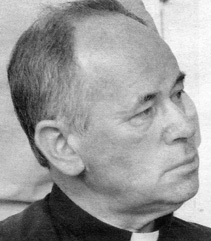
"It's all buried inside me, even now," Fr Kevin Mullan admits. "It's something I think about - especially this year - and every year at the anniversary. You constantly meet people who have grieved or knew people who were killed. It's a thing that's always there, deep inside. It's part of my life.
"It's something that colours your thinking and makes you understand that you have to devote the rest of your life to bridge-building or peacemaking. It gives you an agenda for living."
One of the first on the scene following the bomb blast, Fr Mullan -then a curate at Christ The King in Strathroy - said the images of that day are forever etched on his memory. Imparting the Last Rites to many of the dead and dying, the Omagh-born priest then accompanied relatives when identifying bodies at a makeshift mortuary in Lisanelly Army camp.
"I heard the bomb; I was in Strathroy at the time," he says. "I knew what it was - I knew it was a bomb - but I thought it had gone off in the army camp. I had no idea the destruction I was about to witness."
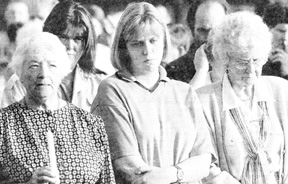
The following week, Fr Mullan addressed the tens of thousands of people who packed into Omagh's town centre for the Act of Prayerful Reflection. He spoke of the horror pain and grief of the past seven days.
"Evil had already possessed some human hearts and minds to do evil unto other human beings," he told the crowd.
"The suffering is still there to cope with, it doesn't go away," the local priest says, remembering the events of that balmy Saturday in August.
"When I made it into town, you could see the bodies lying in the -street - everywhere you looked there was a body.
"The mind shuts off. I couldn't comprehend what had happened.
"I had a very narrow focus, you know. I remember standing in the street with (councillors) Paddy McGowan and Joe Byrne and people were counting the bodies - the number was rising all the time. It was only really 24 hours later that I finally understood what had really happened.
"In the street at the time, I was finding it hard going round the bodies and I wasn't coping too well. I heard this voice saying, 'Father, do your job, do your duty.' I didn't discover until later on who it was, it was a student teacher called Damien Murphy. At the time, I just heard his voice.
"A policeman came up to me at the inquest to say that I had given him strength. At the time I certainly didn't realise I had. I suppose people were taking strength from one another. They still are too."
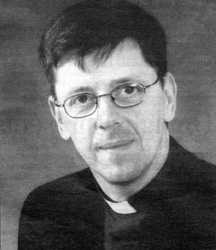
Rev. Robert Herron had returned to Omagh from Belfast and ended up spending the night working with people in the Tyrone County Hospital and the crisis hub in Leisure Centre, comforting, talking and just being there.
Comparing the experience to that of a waking nightmare, the minister at Omagh's Trinity Presbyterian Church says the tragedy has become a part of who he is.
"When I arrived at the hospital, people kept coming to me and asking about where they could go for information and the sheer numbers of people asking was huge," he says.
"As the evening went on, it became more obvious that people weren't being found and different members of families were coming looking for the same people. There was an awareness then, that it was a disaster.
"And from members of the clergy moving back and forward from the make-shift mortuary at the (Lisanelly) army camp, it was clear that many people had been killed.
"All of us who have come through this would say that this has become part of us. It's part of our history, it's part of our present and it will be part of our future. Those kind of tragedies become defining moments.
"In individual lives, it's inevitable that your whole world view is shattered and I think you find yourself going on a kind of a search for some sort of meaning - and a search for truth.
"I think also that that kind of experience becomes part of your identity; it becomes who you are - it's who I am."
All is changed, changed utterly?
"Very often I hear people coming to this town saying, 'It's really changed since the bomb'. Probably what they're talking about is the fabric and infrastructure of the town - - and it has changed - when you think about the retail element alone.
"I think we're all trying to make sense of things, some of the challenge is about remembering and how do we deal with that.
"I think people who live in Omagh, even though the bomb was a defining moment, people do not want the name Omagh to be synonymous with the word bomb. For those of us who live in Omagh, Omagh is not synonymous with death and destruction. This is a place where we live ordinary day-to-day lives.
"Although, I do think there has been an effort in the town to try and re-image and reshape the town; to try to be creative, positive and forward looking - and these things are important.
"I am hopeful about many of the things that are happening in our town. There are tragedies and there are wrong things that happen and this is, sadly, the nature of life.
"The struggle we face is: How do we remember the people we have lost with dignity and at the same time balance that, with looking forward and optimism."
BY MICHAEL DEVLIN
m.devlin@ulsterherald.com
"All is changed, changed utterly."
The Ulster Herald editorial quoted WB Yeats in the days following the single worst atrocity of what we have collectively come to know as, 'The Troubles'. Even then it was evident a defining moment had arrived, blasting itself violently onto our psyche. All had changed, changed utterly. For many of us, Northern Ireland, Omagh and life would never be the same again.
Indicative of a people's spirit when faced with death, hatred, redemption and grief, a term like 'The Troubles' sounds like the grossest of gross understatements even when used in the context of Omagh alone. The editorial spoke of a people who could be permanently traumatised; a people suffering from feelings of loneliness, desperation and despondency - and those were the lucky ones; the ones who hadn't been murdered. Sometimes 'sorry for your troubles' just isn't enough.
Priests, ministers and members of the clergy deal with death and grief all the time; you might say it's all part of the calling. Yet no training nor contemplation could prepare you for mass murder.
"It's all buried inside me, even now," Fr Kevin Mullan admits. "It's something I think about - especially this year - and every year at the anniversary. You constantly meet people who have grieved or knew people who were killed. It's a thing that's always there, deep inside. It's part of my life.
"It's something that colours your thinking and makes you understand that you have to devote the rest of your life to bridge-building or peacemaking. It gives you an agenda for living."
One of the first on the scene following the bomb blast, Fr Mullan -then a curate at Christ The King in Strathroy - said the images of that day are forever etched on his memory. Imparting the Last Rites to many of the dead and dying, the Omagh-born priest then accompanied relatives when identifying bodies at a makeshift mortuary in Lisanelly Army camp.
"I heard the bomb; I was in Strathroy at the time," he says. "I knew what it was - I knew it was a bomb - but I thought it had gone off in the army camp. I had no idea the destruction I was about to witness."
The following week, Fr Mullan addressed the tens of thousands of people who packed into Omagh's town centre for the Act of Prayerful Reflection. He spoke of the horror pain and grief of the past seven days.
"Evil had already possessed some human hearts and minds to do evil unto other human beings," he told the crowd.
"The suffering is still there to cope with, it doesn't go away," the local priest says, remembering the events of that balmy Saturday in August.
"When I made it into town, you could see the bodies lying in the -street - everywhere you looked there was a body.
"The mind shuts off. I couldn't comprehend what had happened.
"I had a very narrow focus, you know. I remember standing in the street with (councillors) Paddy McGowan and Joe Byrne and people were counting the bodies - the number was rising all the time. It was only really 24 hours later that I finally understood what had really happened.
"In the street at the time, I was finding it hard going round the bodies and I wasn't coping too well. I heard this voice saying, 'Father, do your job, do your duty.' I didn't discover until later on who it was, it was a student teacher called Damien Murphy. At the time, I just heard his voice.
"A policeman came up to me at the inquest to say that I had given him strength. At the time I certainly didn't realise I had. I suppose people were taking strength from one another. They still are too."
Rev. Robert Herron had returned to Omagh from Belfast and ended up spending the night working with people in the Tyrone County Hospital and the crisis hub in Leisure Centre, comforting, talking and just being there.
Comparing the experience to that of a waking nightmare, the minister at Omagh's Trinity Presbyterian Church says the tragedy has become a part of who he is.
"When I arrived at the hospital, people kept coming to me and asking about where they could go for information and the sheer numbers of people asking was huge," he says.
"As the evening went on, it became more obvious that people weren't being found and different members of families were coming looking for the same people. There was an awareness then, that it was a disaster.
"And from members of the clergy moving back and forward from the make-shift mortuary at the (Lisanelly) army camp, it was clear that many people had been killed.
"All of us who have come through this would say that this has become part of us. It's part of our history, it's part of our present and it will be part of our future. Those kind of tragedies become defining moments.
"In individual lives, it's inevitable that your whole world view is shattered and I think you find yourself going on a kind of a search for some sort of meaning - and a search for truth.
"I think also that that kind of experience becomes part of your identity; it becomes who you are - it's who I am."
All is changed, changed utterly?
"Very often I hear people coming to this town saying, 'It's really changed since the bomb'. Probably what they're talking about is the fabric and infrastructure of the town - - and it has changed - when you think about the retail element alone.
"I think we're all trying to make sense of things, some of the challenge is about remembering and how do we deal with that.
"I think people who live in Omagh, even though the bomb was a defining moment, people do not want the name Omagh to be synonymous with the word bomb. For those of us who live in Omagh, Omagh is not synonymous with death and destruction. This is a place where we live ordinary day-to-day lives.
"Although, I do think there has been an effort in the town to try and re-image and reshape the town; to try to be creative, positive and forward looking - and these things are important.
"I am hopeful about many of the things that are happening in our town. There are tragedies and there are wrong things that happen and this is, sadly, the nature of life.
"The struggle we face is: How do we remember the people we have lost with dignity and at the same time balance that, with looking forward and optimism."
Further Information
Publisher: ULSTER HERALD
Ref: UH10An/31
Published Date: 14-Aug-08
Related Images