CONSULTANT RECALLS THE HORROR SCENE AT A&E LIKE A BATTLEFIELD
Consultant recalls the horror scene at A&E like a battlefield
BY ROSETTA DONNELLY
r.donnelly@ulsterherald.com
Three months before the Omagh bomb the Tyrone County Hospital had been through a dress rehearsal for a major emergency and on the day of the bomb hospital staff - from chief surgeon to telephonist -knew exactly what to do.
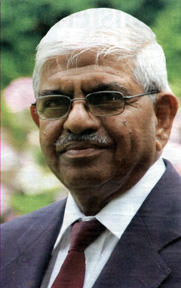
Dominic Pinto, chief surgeon had been playing golf in Omagh when he heard of the bomb and he made his way to the hospital. As he drove along the road he thought the street was traffic-logged and when motorists recognised him they moved out of his way. But even when he parked up at the front of the hospital he was unaware of the mayhem which was at the back until he went into the corridor and he saw what he described as a "battlefield."
It still amazes him that no-one thought to telephone the hospital about the bomb or even a bomb scare to warn staff there to prepare for an emergency. This should have been procedure long before the Omagh bomb.
He said, "In cities where hospitals are located near airports, the hospital is always alerted if there is a mid-air crisis or potential for large loss of life. I believe the hospital should have been notified when police learned of a bomb-scare."
Mr Pinto said he knew two of the senior surgeons were in Africa on holiday and he would not be able to rely on them to come. But the chief surgeon immediately took charge and instructed staff to implement the emergency plan which he himself had drawn up when he came to the 'County' in 1982.
He said there were a lot of relatives still along with the wounded people in Casualty so he ordered for them to be taken out of the area and to a nearby room. He then set about assessing everyone there and giving descriptions of injuries to a nurse. Those with burns injuries he ordered to be sent to Royal Victoria Hospital, orthopaedic injuries to Altnagelvin. Staff had already put up drips and it was going efficiently; the physicians had booked ambulances and helicopters to transfer the injured. Some of the injured had to be dealt with by Mr Pinto to stop them from losing too much blood or where there was a collapsed lung.
In the midst of it all the surgeon came across the daughter of a good friend of his who died. "It was daunting but in a situation like this you go into professional mode and you do everything which has to be done to save lives".
He said a lot of people wanted to help which included offers from two medics from the Irish Republic who claimed they were surgeons. "As much as I welcomed help on that day, I could not let them carry out life-saving operations as I did not exactly how skilled they were," Mr Pinto added.
He then gave them something to do and had them observed by a senior nurse. "It might seem ungrateful but I was ultimately responsible for those who died or lived on that day and I could not take risks."
He said he saw a surgeon from the South Tyrone Hospital, someone whose expertise he knew, come into the casualty and he immediately set him to work.
Off-duty anaesthetists and nurses arrived at the hospital keen to help as did GPs.
The surgeon went on to say that the helipad at the 'County' had been installed 25 years ago in order to bring in wounded soldiers. "It proved invaluable on the day as we were able to ferry patients and their anaesthetists and nurses to the Royal or Altnagelvin or Enniskillen. We transferred 26 to Altnagelvin, 20 to the RVH.
Mr Pinto said that as he started operating on those he could in the two theatres at the hospital, he later returned to find everything spotlessly clean. "There was an incredible team effort; from laboratory staff bringing in blood donors to give blood to cleaners disposing of bandages and leaving everything spotless".
In all there were 320 who were injured in the bomb - 247 came to the 'County,' 47 to the Erne and 26 to Altnagelvin. We admitted 34 to the 'County' for mainly stomach and chest injuries and eye injuries and transferred the remainder.
Despite the incredible work done after the Omagh bomb, Tyrone County Hospital is still to close and this is something which pains Mr Pinto. Prior to and after his retirement six years ago he has been fighting to have an acute hospital in Omagh.
Mr Pinto spends two days a week lecturing in anatomy at Queens. He is also travelling a little, something he had not the time to do over the years as a surgeon.
BY ROSETTA DONNELLY
r.donnelly@ulsterherald.com
Three months before the Omagh bomb the Tyrone County Hospital had been through a dress rehearsal for a major emergency and on the day of the bomb hospital staff - from chief surgeon to telephonist -knew exactly what to do.
Dominic Pinto, chief surgeon had been playing golf in Omagh when he heard of the bomb and he made his way to the hospital. As he drove along the road he thought the street was traffic-logged and when motorists recognised him they moved out of his way. But even when he parked up at the front of the hospital he was unaware of the mayhem which was at the back until he went into the corridor and he saw what he described as a "battlefield."
It still amazes him that no-one thought to telephone the hospital about the bomb or even a bomb scare to warn staff there to prepare for an emergency. This should have been procedure long before the Omagh bomb.
He said, "In cities where hospitals are located near airports, the hospital is always alerted if there is a mid-air crisis or potential for large loss of life. I believe the hospital should have been notified when police learned of a bomb-scare."
Mr Pinto said he knew two of the senior surgeons were in Africa on holiday and he would not be able to rely on them to come. But the chief surgeon immediately took charge and instructed staff to implement the emergency plan which he himself had drawn up when he came to the 'County' in 1982.
He said there were a lot of relatives still along with the wounded people in Casualty so he ordered for them to be taken out of the area and to a nearby room. He then set about assessing everyone there and giving descriptions of injuries to a nurse. Those with burns injuries he ordered to be sent to Royal Victoria Hospital, orthopaedic injuries to Altnagelvin. Staff had already put up drips and it was going efficiently; the physicians had booked ambulances and helicopters to transfer the injured. Some of the injured had to be dealt with by Mr Pinto to stop them from losing too much blood or where there was a collapsed lung.
In the midst of it all the surgeon came across the daughter of a good friend of his who died. "It was daunting but in a situation like this you go into professional mode and you do everything which has to be done to save lives".
He said a lot of people wanted to help which included offers from two medics from the Irish Republic who claimed they were surgeons. "As much as I welcomed help on that day, I could not let them carry out life-saving operations as I did not exactly how skilled they were," Mr Pinto added.
He then gave them something to do and had them observed by a senior nurse. "It might seem ungrateful but I was ultimately responsible for those who died or lived on that day and I could not take risks."
He said he saw a surgeon from the South Tyrone Hospital, someone whose expertise he knew, come into the casualty and he immediately set him to work.
Off-duty anaesthetists and nurses arrived at the hospital keen to help as did GPs.
The surgeon went on to say that the helipad at the 'County' had been installed 25 years ago in order to bring in wounded soldiers. "It proved invaluable on the day as we were able to ferry patients and their anaesthetists and nurses to the Royal or Altnagelvin or Enniskillen. We transferred 26 to Altnagelvin, 20 to the RVH.
Mr Pinto said that as he started operating on those he could in the two theatres at the hospital, he later returned to find everything spotlessly clean. "There was an incredible team effort; from laboratory staff bringing in blood donors to give blood to cleaners disposing of bandages and leaving everything spotless".
In all there were 320 who were injured in the bomb - 247 came to the 'County,' 47 to the Erne and 26 to Altnagelvin. We admitted 34 to the 'County' for mainly stomach and chest injuries and eye injuries and transferred the remainder.
Despite the incredible work done after the Omagh bomb, Tyrone County Hospital is still to close and this is something which pains Mr Pinto. Prior to and after his retirement six years ago he has been fighting to have an acute hospital in Omagh.
Mr Pinto spends two days a week lecturing in anatomy at Queens. He is also travelling a little, something he had not the time to do over the years as a surgeon.
Further Information
Publisher: ULSTER HERALD
Ref: UH10An/29
Published Date: 14-Aug-08
Related Images