ON THE TRAIL OF THE BOMBERS
On the trial of the bombers
BY ADRIAN MULLAN
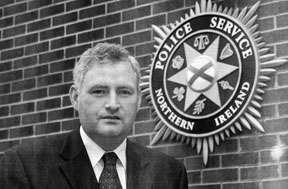
At the beginning of June a new Senior detective took over the Omagh Bomb investigation. The troubled investigation he inherited has been the focus of huge controversy in the past 12 months with the relatives periodically expressing a lack of confidence in the way the investigation was proceeding.
Last week, Norman Baxter the detective superintendent charged with getting results, met with and received a guarded welcome from some of the victims' families.
This week, Ulster Herald reporter Adrian Mullan interviews Norman Baxter as he faces his daunting task.
A.M. Your are now the most senior officer in charge of the Omagh bomb investigation, is that right?
NB: Yes. That is correct. I'm the senior investigating officer.
A.M. Who are you replacing?
N.B. I replaced detective chief superintendent Brian McArthur who is retiring.
A.M. .Are you going to be based in Omagh?
N.B. Yes, at the incident room in Omagh.
A.M. What are your initial instincts about what the investigation might need?
N.B. Well, the investigation is quite a complex one, given that four years have now passed. The perpetrators were probably in Omagh for a very short-time. The murders were planned probably outside the jurisdiction, so therefore there are issues surrounding cross-border co-operation. What the investigation needs at this stage is the full co-operation of those who would have information on who carried out the attack. That's people very close to the Real IRA members who were responsible directly for the planting of the bomb, organising it and transporting it to Omagh. It would be of major assistance if people who know that their friends or relations were involved in Omagh, that they would come forward.
A.M. Do you think that the change from the RUC to the PSNI will have any qualitative change in the way people may feel about giving information?
N.B. I don't believe'a name change in itself will cause any change of heart in people. I think what they need to do is examine their consciences. Can they really live with themselves with knowing that, if they have information relating to the murder of 29 people and two unborn children? The right thing to do would be to come forward and assist the police either the Garda or ourselves to bring these people to justice.
A.M. Have you had any concerns about taking the job in view of the controversy surrounding the Omagh bomb, namely the Police Ombudsman's report?
N.B. I certainly didn't volunteer for the job but I had no difficulties with accepting it. It has many challenges but it's like any other investigation; when you structure it, you can hopefully reach a successful conclusion.
A.M. Are you confident that you will be able to proceed unhindered by other agencies, for example, Special Branch?
N.B. I don't believe that at any stage Special Branch hindered the investigation. I certainly would have the view that we will proceed with the fullest co-operation with all agencies at this stage.
A.M. I know that some of the victims' families tend to believe that some sort of political double-dealing has been in effect, and that that might let the bombers slip away quietly to aid some wider political agenda. Do you concur with that?
N.B. At this stage I have no evidence that that is the case nor any grounds to believe that, certainly within Northern Ireland, that there's any such agenda.
A.M. You mentioned there about people going either to the gardai or yourselves; do you have an in-depth relationship with the gardai in respect of this investigation?
N.B. From the date that the bomb exploded there has been a garda investigation team established in the Republic and we have very close contacts with them.
A.M. That's an in-depth relationship and not merely like some of the relationships we've discovered that are nothing more than a letter being passed back and forth?
N.B. It's a professional relationship and there are meetings between senior officers and myself.
A.M. Will you be questioning Special Branch officers at any time?
N.B. The issue of Special Branch on its own I don't understand why you're focusing on them anyone who is identified as having information relevant to the inquiry will be interviewed and statements recorded.
A.M. The reason why I focused on them is that the Police Ombudsman's report said that Special Branch might have had information that they didn't pass on. I mean, is it possible that there's other information?
N.B. I'm satisfied at this stage, that any information which is held by any agency will be made available to the investigation team.
A.M. What is your relationship with the oversight officer (deputy Chief Constable Mike Tonge from Merseyside Constabulary)? Will you have a direct relationship?
N.B. We have a very close relationship and I'd say an almost daily contact, discussing all types of issues surrounding the Omagh investigation.
A.M. How confident are you of securing convictions?
N.B. Convictions are dependent on the evidence and we're doing our best to collect the evidence and, if and when we obtain sufficient evidence, we will charge. The point at which we reach that is dependent on a number of issues including co-operation, which we hope to get from people who have information and who are placed closely to those who carried out the attack.
A.M. What high profile cases have you been involved in investigating in the past?
N.B. Well I've been a senior investigator with the police service since 1998, and I've been involved with a number of murder investigations, for example, the McGinley murder in Enniskillen, and more recently in the Arlene Arkinson murder, and I've also been assisting in other inquiries.
A.M. How many officers have you at your disposal in this investigation?
N.B. The numbers fluctuate but at the present time we have 24, mostly detective constables and a number of detective sergeants. The deputy investigating officer is a detective inspector.
A.M. Are you concerned that, in the intervening four years since the bombing, some of the evidence might have gone stale, or that the case itself might have gone stale or that evidence might have been lost?
N.B. The case isn't stale. There's been an ongoing investigation since 1998 and I don't believe that the evidential value of what we have has been lost or diminished in any way.
A.M. Are you happy that the original investigation was carried out competently?
N.B. Well, I've inherited an investigation which was robust with clearly defined lines of inquiry which my predecessors have set out. So I'm happy that the thrust of the investigation was correct.
Mr Baxter, a former Omagh man, said that he did not feel that the post put him under any personal pressure, and said he was confident that the investigation would lead to charges being brought against the perpetrators followed by successful prosecutions.
So far, there have been 4,884 statements taken and there are 4,619 documents and 1,353 exhibits relating to the case in the possession of the PSNI.
BY ADRIAN MULLAN
At the beginning of June a new Senior detective took over the Omagh Bomb investigation. The troubled investigation he inherited has been the focus of huge controversy in the past 12 months with the relatives periodically expressing a lack of confidence in the way the investigation was proceeding.
Last week, Norman Baxter the detective superintendent charged with getting results, met with and received a guarded welcome from some of the victims' families.
This week, Ulster Herald reporter Adrian Mullan interviews Norman Baxter as he faces his daunting task.
A.M. Your are now the most senior officer in charge of the Omagh bomb investigation, is that right?
NB: Yes. That is correct. I'm the senior investigating officer.
A.M. Who are you replacing?
N.B. I replaced detective chief superintendent Brian McArthur who is retiring.
A.M. .Are you going to be based in Omagh?
N.B. Yes, at the incident room in Omagh.
A.M. What are your initial instincts about what the investigation might need?
N.B. Well, the investigation is quite a complex one, given that four years have now passed. The perpetrators were probably in Omagh for a very short-time. The murders were planned probably outside the jurisdiction, so therefore there are issues surrounding cross-border co-operation. What the investigation needs at this stage is the full co-operation of those who would have information on who carried out the attack. That's people very close to the Real IRA members who were responsible directly for the planting of the bomb, organising it and transporting it to Omagh. It would be of major assistance if people who know that their friends or relations were involved in Omagh, that they would come forward.
A.M. Do you think that the change from the RUC to the PSNI will have any qualitative change in the way people may feel about giving information?
N.B. I don't believe'a name change in itself will cause any change of heart in people. I think what they need to do is examine their consciences. Can they really live with themselves with knowing that, if they have information relating to the murder of 29 people and two unborn children? The right thing to do would be to come forward and assist the police either the Garda or ourselves to bring these people to justice.
A.M. Have you had any concerns about taking the job in view of the controversy surrounding the Omagh bomb, namely the Police Ombudsman's report?
N.B. I certainly didn't volunteer for the job but I had no difficulties with accepting it. It has many challenges but it's like any other investigation; when you structure it, you can hopefully reach a successful conclusion.
A.M. Are you confident that you will be able to proceed unhindered by other agencies, for example, Special Branch?
N.B. I don't believe that at any stage Special Branch hindered the investigation. I certainly would have the view that we will proceed with the fullest co-operation with all agencies at this stage.
A.M. I know that some of the victims' families tend to believe that some sort of political double-dealing has been in effect, and that that might let the bombers slip away quietly to aid some wider political agenda. Do you concur with that?
N.B. At this stage I have no evidence that that is the case nor any grounds to believe that, certainly within Northern Ireland, that there's any such agenda.
A.M. You mentioned there about people going either to the gardai or yourselves; do you have an in-depth relationship with the gardai in respect of this investigation?
N.B. From the date that the bomb exploded there has been a garda investigation team established in the Republic and we have very close contacts with them.
A.M. That's an in-depth relationship and not merely like some of the relationships we've discovered that are nothing more than a letter being passed back and forth?
N.B. It's a professional relationship and there are meetings between senior officers and myself.
A.M. Will you be questioning Special Branch officers at any time?
N.B. The issue of Special Branch on its own I don't understand why you're focusing on them anyone who is identified as having information relevant to the inquiry will be interviewed and statements recorded.
A.M. The reason why I focused on them is that the Police Ombudsman's report said that Special Branch might have had information that they didn't pass on. I mean, is it possible that there's other information?
N.B. I'm satisfied at this stage, that any information which is held by any agency will be made available to the investigation team.
A.M. What is your relationship with the oversight officer (deputy Chief Constable Mike Tonge from Merseyside Constabulary)? Will you have a direct relationship?
N.B. We have a very close relationship and I'd say an almost daily contact, discussing all types of issues surrounding the Omagh investigation.
A.M. How confident are you of securing convictions?
N.B. Convictions are dependent on the evidence and we're doing our best to collect the evidence and, if and when we obtain sufficient evidence, we will charge. The point at which we reach that is dependent on a number of issues including co-operation, which we hope to get from people who have information and who are placed closely to those who carried out the attack.
A.M. What high profile cases have you been involved in investigating in the past?
N.B. Well I've been a senior investigator with the police service since 1998, and I've been involved with a number of murder investigations, for example, the McGinley murder in Enniskillen, and more recently in the Arlene Arkinson murder, and I've also been assisting in other inquiries.
A.M. How many officers have you at your disposal in this investigation?
N.B. The numbers fluctuate but at the present time we have 24, mostly detective constables and a number of detective sergeants. The deputy investigating officer is a detective inspector.
A.M. Are you concerned that, in the intervening four years since the bombing, some of the evidence might have gone stale, or that the case itself might have gone stale or that evidence might have been lost?
N.B. The case isn't stale. There's been an ongoing investigation since 1998 and I don't believe that the evidential value of what we have has been lost or diminished in any way.
A.M. Are you happy that the original investigation was carried out competently?
N.B. Well, I've inherited an investigation which was robust with clearly defined lines of inquiry which my predecessors have set out. So I'm happy that the thrust of the investigation was correct.
Mr Baxter, a former Omagh man, said that he did not feel that the post put him under any personal pressure, and said he was confident that the investigation would lead to charges being brought against the perpetrators followed by successful prosecutions.
So far, there have been 4,884 statements taken and there are 4,619 documents and 1,353 exhibits relating to the case in the possession of the PSNI.
Further Information
Publisher: ULSTER HERALD
Ref: UH/1040
Published Date: 25-Jul-02
Related Images