THE WOUNDS OF OMAGH'S DARKEST DAY REMAIN RAW
The wounds Omagh's darkest day remain raw
BY ADRIAN MULLAN
Ten years changes a lot of things. It turns some children into adults, it sees Presidents and Prime Ministers come and go and, some would say, it changes the whole world order.
Ten years after the massacre of non-combatants aged from the soon-to-be-born to those in the twilight of their lives, of different genders, of different outlooks and aspirations, Omagh has changed too.
It did not become bitter, or broken - though many thought it would - but it did change. The landscape of Omagh changed, the devastated Market Street was redesigned and built, there is a community house where there was none before and a memorial garden of reflection that should never have been needed.
The physical town has changed - High Street and Sedan Avenue look new and vibrant and a whole new street has opened up where before there was just a dusty old public right of way.
But there was a greater change than the replacement and redesign of buildings; in some way, the Omagh bomb, in slaughtering the innocents, also slew Omagh's innocence.
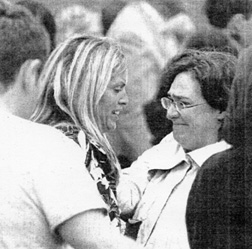
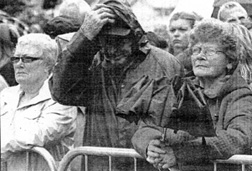
On Friday the wounds of that passage were a little raw. Ten years on from a believing, trusting community, Omagh is little sceptical about government promises and assurances. There was no doubt about the sincerity of the public who came to-pay their respects and to remember their fallen friends and neighbours, as they stood in a rainstorm whilst speakers on the covered platform said their various pieces.
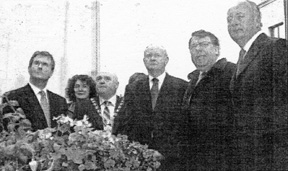
At the opening of the garden of light, in the midst of the national press and dignitaries from the Taoiseach to the Deputy First Minister, and representatives from the Spanish and British governments, there was a noticeable absence in the audience - those families of the deceased and injured who chose to stay away.
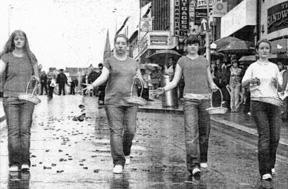
The events on the occasion were choreographed, but the mostly torrential rain played havoc. A group of child actors solemnly spread (artificial) rose petals at the site of the blast on Market Street, but the heavy rain washed the dye from them and the street seemed to run with blood afresh.
Some stayed away because the whole experience was just too painful to endure, some because they feel that the local corporation has tried to stage-manage their grief so as not to annoy particular politicians.
There was a ghostly and saddening similarity between the public occasion on Friday and the posters from ten years ago showing the scenes before and after the blast - in the latter scene, the deceased were blacked out.
It would be easy to put the absence of several of the bereaved families down to a break-down of communications - just as the bombers claimed that their message had been miscommunicated - but there is no misunderstanding. This is a clash between those who have suffered and lost and for whom no gloss can alter that fact - and those who just want to move on. On Friday, the opening of the permanent memorial to the dead and injured of the Omagh blast marked the beginning of the forgetting: A tin-hat has all but been placed on the investigation of the crime, and this is probably the last time the atrocity will ever be publicly remembered in any serious way until the 25th anniversary.
BY ADRIAN MULLAN
Ten years changes a lot of things. It turns some children into adults, it sees Presidents and Prime Ministers come and go and, some would say, it changes the whole world order.
Ten years after the massacre of non-combatants aged from the soon-to-be-born to those in the twilight of their lives, of different genders, of different outlooks and aspirations, Omagh has changed too.
It did not become bitter, or broken - though many thought it would - but it did change. The landscape of Omagh changed, the devastated Market Street was redesigned and built, there is a community house where there was none before and a memorial garden of reflection that should never have been needed.
The physical town has changed - High Street and Sedan Avenue look new and vibrant and a whole new street has opened up where before there was just a dusty old public right of way.
But there was a greater change than the replacement and redesign of buildings; in some way, the Omagh bomb, in slaughtering the innocents, also slew Omagh's innocence.
On Friday the wounds of that passage were a little raw. Ten years on from a believing, trusting community, Omagh is little sceptical about government promises and assurances. There was no doubt about the sincerity of the public who came to-pay their respects and to remember their fallen friends and neighbours, as they stood in a rainstorm whilst speakers on the covered platform said their various pieces.
At the opening of the garden of light, in the midst of the national press and dignitaries from the Taoiseach to the Deputy First Minister, and representatives from the Spanish and British governments, there was a noticeable absence in the audience - those families of the deceased and injured who chose to stay away.
The events on the occasion were choreographed, but the mostly torrential rain played havoc. A group of child actors solemnly spread (artificial) rose petals at the site of the blast on Market Street, but the heavy rain washed the dye from them and the street seemed to run with blood afresh.
Some stayed away because the whole experience was just too painful to endure, some because they feel that the local corporation has tried to stage-manage their grief so as not to annoy particular politicians.
There was a ghostly and saddening similarity between the public occasion on Friday and the posters from ten years ago showing the scenes before and after the blast - in the latter scene, the deceased were blacked out.
It would be easy to put the absence of several of the bereaved families down to a break-down of communications - just as the bombers claimed that their message had been miscommunicated - but there is no misunderstanding. This is a clash between those who have suffered and lost and for whom no gloss can alter that fact - and those who just want to move on. On Friday, the opening of the permanent memorial to the dead and injured of the Omagh blast marked the beginning of the forgetting: A tin-hat has all but been placed on the investigation of the crime, and this is probably the last time the atrocity will ever be publicly remembered in any serious way until the 25th anniversary.
Further Information
Publisher: TYRONE HERALD
Ref: TYH10An/09
Published Date: 18-Aug-08
Related Images