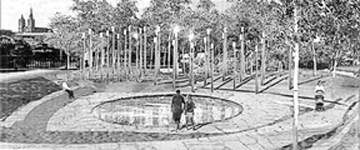
BOMB MEMORIAL NARRATIVE A FAIR COMPROMISE
Bomb memorial narrative ' fair compromise' - facilitators
BY ADRIAN MULLAN
DR John Dunlop said that facilitating on the narrative of the Omagh Bomb memorial was probably the toughest job he and his fellow facilitators, Olive Hobson and the Reverend Brian Lennon, had ever undertaken.
He said he didn't know if the decision to bring in 'facilitators' represented a worrying division within the community but added, "I'm sure there are some people in Omagh who would be able to do what we did. It was Omagh District Council's decision to bring us in and so we came and we listened very carefully. I suppose it has to be said that we don't come with any kind of baggage. We haven't a previous position in anything regarding Omagh, we started with a clean sheet of paper and the council gave us a clean sheet of paper and nothing was ruled in and nothing ruled out. They said, 'You go away and talk to these people and come back with a recommendation.'"
So did appointing the facilitators betray a lack of confidence on the part of the council as to its ability to handle something so close and raw to it? "I wouldn't have thought so," said Dr Dunlop. "I think the council exhibited a high degree of unity and maturity in dealing with this. And I think they were glad of the opportunity to come together and agree it."
Dr Dunlop added that it wasn't really a question of passing the buck' and that, in any case, the buck came back.
"The buck was set down in front of the council and they had to decide what they were going to do about it. Ultimately, the decision lies with the council; we submit the recommendation to the council then it's up to them."
"For the last four months we've been listening to the most harrowing stories. I saw the Omagh bombing, the funerals and the big service up at the Court House on television. But to come now and have somebody tell you what it is still like to live through the consequences of the bomb, you realise how distressed these people actually are... when you come here and find that people lost their limbs, their sight, that people are going to be injured for the rest of their lives, that people lost people they love, the most important people in their lives; to listen to these stories cannot be anything other than a harrowing experience.
"Some people who have not talked to anyone before came and talked to us and that was the benefit of us reaching out as widely as possible to the community. They came to sensitively tell us, not that they wanted to make trouble or be contentious, but they wanted to come and share their stories with us and give us their opinions.
"These were very impressive people, especially some of the young people we met who have struggled with the consequences of the bomb but who are determined that it's not going to destroy their lives forever. Others are still struggling with trauma and grief and are still as upset as they were a week after the bomb happened. It's very sad to meet people like that. There are other families who have lost loved ones who have reached remarkable states of tranquillity and peace and have said, 'with the help of their friends and with the help of God we have now reached this point in our lives, and while we desperately miss the people who have died, nevertheless we are putting life together and moving on'."
Dr Dunlop said the interviews he and his group carried out with the bereaved and injured were confidential, and will now be shredded to ensure that privacy.
BY ADRIAN MULLAN
DR John Dunlop said that facilitating on the narrative of the Omagh Bomb memorial was probably the toughest job he and his fellow facilitators, Olive Hobson and the Reverend Brian Lennon, had ever undertaken.
He said he didn't know if the decision to bring in 'facilitators' represented a worrying division within the community but added, "I'm sure there are some people in Omagh who would be able to do what we did. It was Omagh District Council's decision to bring us in and so we came and we listened very carefully. I suppose it has to be said that we don't come with any kind of baggage. We haven't a previous position in anything regarding Omagh, we started with a clean sheet of paper and the council gave us a clean sheet of paper and nothing was ruled in and nothing ruled out. They said, 'You go away and talk to these people and come back with a recommendation.'"
So did appointing the facilitators betray a lack of confidence on the part of the council as to its ability to handle something so close and raw to it? "I wouldn't have thought so," said Dr Dunlop. "I think the council exhibited a high degree of unity and maturity in dealing with this. And I think they were glad of the opportunity to come together and agree it."
Dr Dunlop added that it wasn't really a question of passing the buck' and that, in any case, the buck came back.
"The buck was set down in front of the council and they had to decide what they were going to do about it. Ultimately, the decision lies with the council; we submit the recommendation to the council then it's up to them."
"For the last four months we've been listening to the most harrowing stories. I saw the Omagh bombing, the funerals and the big service up at the Court House on television. But to come now and have somebody tell you what it is still like to live through the consequences of the bomb, you realise how distressed these people actually are... when you come here and find that people lost their limbs, their sight, that people are going to be injured for the rest of their lives, that people lost people they love, the most important people in their lives; to listen to these stories cannot be anything other than a harrowing experience.
"Some people who have not talked to anyone before came and talked to us and that was the benefit of us reaching out as widely as possible to the community. They came to sensitively tell us, not that they wanted to make trouble or be contentious, but they wanted to come and share their stories with us and give us their opinions.
"These were very impressive people, especially some of the young people we met who have struggled with the consequences of the bomb but who are determined that it's not going to destroy their lives forever. Others are still struggling with trauma and grief and are still as upset as they were a week after the bomb happened. It's very sad to meet people like that. There are other families who have lost loved ones who have reached remarkable states of tranquillity and peace and have said, 'with the help of their friends and with the help of God we have now reached this point in our lives, and while we desperately miss the people who have died, nevertheless we are putting life together and moving on'."
Dr Dunlop said the interviews he and his group carried out with the bereaved and injured were confidential, and will now be shredded to ensure that privacy.
Further Information
Publisher: TYRONE HERALD
Ref: TYH/068
Published Date: 10-Mar-08
Related Images