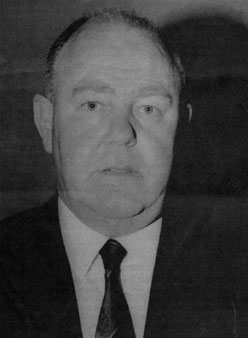
WE KNOW WHO PLANTED BOMB - POLICE CHIEF
We know who planted bomb - police chief
POLICE believe they know who planned and carried out the Omagh bomb attack, he senior detective in charge of the investigation told the inquest.
Acting Assistant Chief Constable Eric Anderson said that since August 1998 the RUC and Garda had interviewed 6,500 people,examined tons of evidence and made 81 arrests, but, to date only one person had been charged in connection with the blast.
He went on to say that there was a good background knowledge of the incident in terms of those who thought it up and those who carried out the atrocity, but he was unable, to go any further in case it might prove prejudicial.
Mr. Anderson, said that he was appointed to investigate the bombing by the Chief Constable as Task Force manager.
He said the investigation was run jointly with the Garda, and meetings were convened as and when required.
He said the bomb had exploded as police were clearing the street. It detonated 34 minutes after the bomb warning was given, and devastated a large area of the town, taking out electric cables, and telephone lines were cut, causing great difficulty.
He said the bomb was claimed by the Real IRA, which issued a statement claiming there had been a 40 minute warning given in each telephone call, and that the caller had made it clear that the car bomb was 300 to 400 yards from the Courthouse.
The statement also said that at no time was it said the car bomb was near the Courthouse.
He said that the statement claimed the RIRA had wanted to hit a commercial target, and they had no intention to kill civilians for which they apologised.
Mr. Anderson said that the investigation was staffed by 150 police from the RUC, and since the bomb the police in the South had been brought on board and "frank interchanges of information" had taken place. The investigation also involved bringing in specialist police from London, who came to Northern Ireland with equipment to help.
The investigation involved work on the theft of the car and bomb storage; the bomb warnings and an examination of the coin boxes used, including examining the money they contained; examining 385 specific pieces of debris and 90 tons of rubble as well as examining the remains of the car used in he bombing and all the debris, which involved forensic examination.
He also revealed that 6,500 people were interviewed, 3,500 premises and homes were visited, and there were 5,200 lines of action generated by the enquiry.
Mr. Anderson said that there had been 81 arrests in total as a result of the investigation, with 56 arrests carried out by the Garda and 23 by the RUC. From this one person had been charged with conspiracy to bomb, and one other person had been reported to the Director of Prosecutions in the South of Ireland with regard to the theft of the car used in the attack.
Police also acquired and examined video footage of border crossings and films from tourists were screened.
Techniques
Mr. Anderson said that it was the case that each bomber had his own techniques in manufacturing bombs.
He went on to say that a review had been set up in April this year with officers from England, the purpose of which was to allow officers not involved in the original enquiry to examine the evidence accumulated to ensure that nothing had been missed.
He said the investigation was active and ongoing and would report back later this month. He added that there was still a large volume of work to be done but so far it had revealed that the device used was similar to one previously defused and indicated some unit of the Real IRA was responsible.
In cross-examination Mr. Anderson said that police officers received training in the RUC code of practice which was an integral part of their training. He said training was ongoing throughout the career of a policeman or woman to ensure that they were "kept up to speed" on current and new practices.
As an illustration, Mr. Anderson said the new Human Rights Commission powers which came into force on Monday of this week was one of the current topics for which personnel were receiving training, and he added that training sessions were up-dated on a regular basis.
He also revealed that incident rooms were staffed by the more mature officers who had been in an area for a particular time and by virtue of that they had accumulated a fairly immense knowledge of the area.
Asked what his perception of the danger zone in Omagh was, Mr. Anderson said he believed it to be the Courthouse and the immediate area around it to a distance of 200 yards.
He said it was his perception that police on the day believed they were evacuating people away from the threat area.
Mr. Anderson said that the cars used on the day did not have a fax facility, and for those who were on the ground initially it would have made no difference as they were on the street and not in vehicles.
He said that the officer in charge on the day had been a sergeant, but he had qualified has an inspector and was awaiting promotion.
Asked about procedures, Mr. Anderson said he could not comment on the provision of PA systems in vehicles, and added that sirens would not be used as they tended to panic people and were impossible to be heard if trying to talk or shout over them.
He said best practice had been found to be local police who had the effect of more credibility while trying to move people and, therefore, were a more effective way of getting people to clear an area.
In response to questions from legal representatives, Mr. Anderson said that it was believed to be the case that after planting the car bomb, contact was made from Omagh to South Armagh, from where the warnings were telephoned to the UTV newsroom and the Samaritans in Coleraine.
"They certainly knew where they had parked the car. I also think, as we have already heard, when they left the car the street was quite packed with women and children who were looking for school uniforms.
"Referring back to forensic evidence, we found the people who left the bomb had to do three deliberate things in order to ensure their own safety, which was were of paramount importance to them in order to arm the bomb and be away from the scene a fair distance, some 34 minutes away, when the bomb exploded," he said.
He also said that the bombers could have given more information about the bomb, such as the registration plate number or its colour and where it was parked.
"That would have alleviated a lot of the problems in the clearance of the scene," he said.
Reserve Constable David McNally and Sergeant Martin Millar, also gave evidence, and told the Inquest how they had responded to the bomb warnings in the control room and liaised with police on the ground.
In addition, the Inquest was told that the people in the control room also had to deal with telephone enquiries from members of the public who wanted to know if and when they could collect their cars from the town, and help identify car registrations as they were radioed through from police in the town centre.
POLICE believe they know who planned and carried out the Omagh bomb attack, he senior detective in charge of the investigation told the inquest.
Acting Assistant Chief Constable Eric Anderson said that since August 1998 the RUC and Garda had interviewed 6,500 people,examined tons of evidence and made 81 arrests, but, to date only one person had been charged in connection with the blast.
He went on to say that there was a good background knowledge of the incident in terms of those who thought it up and those who carried out the atrocity, but he was unable, to go any further in case it might prove prejudicial.
Mr. Anderson, said that he was appointed to investigate the bombing by the Chief Constable as Task Force manager.
He said the investigation was run jointly with the Garda, and meetings were convened as and when required.
He said the bomb had exploded as police were clearing the street. It detonated 34 minutes after the bomb warning was given, and devastated a large area of the town, taking out electric cables, and telephone lines were cut, causing great difficulty.
He said the bomb was claimed by the Real IRA, which issued a statement claiming there had been a 40 minute warning given in each telephone call, and that the caller had made it clear that the car bomb was 300 to 400 yards from the Courthouse.
The statement also said that at no time was it said the car bomb was near the Courthouse.
He said that the statement claimed the RIRA had wanted to hit a commercial target, and they had no intention to kill civilians for which they apologised.
Mr. Anderson said that the investigation was staffed by 150 police from the RUC, and since the bomb the police in the South had been brought on board and "frank interchanges of information" had taken place. The investigation also involved bringing in specialist police from London, who came to Northern Ireland with equipment to help.
The investigation involved work on the theft of the car and bomb storage; the bomb warnings and an examination of the coin boxes used, including examining the money they contained; examining 385 specific pieces of debris and 90 tons of rubble as well as examining the remains of the car used in he bombing and all the debris, which involved forensic examination.
He also revealed that 6,500 people were interviewed, 3,500 premises and homes were visited, and there were 5,200 lines of action generated by the enquiry.
Mr. Anderson said that there had been 81 arrests in total as a result of the investigation, with 56 arrests carried out by the Garda and 23 by the RUC. From this one person had been charged with conspiracy to bomb, and one other person had been reported to the Director of Prosecutions in the South of Ireland with regard to the theft of the car used in the attack.
Police also acquired and examined video footage of border crossings and films from tourists were screened.
Techniques
Mr. Anderson said that it was the case that each bomber had his own techniques in manufacturing bombs.
He went on to say that a review had been set up in April this year with officers from England, the purpose of which was to allow officers not involved in the original enquiry to examine the evidence accumulated to ensure that nothing had been missed.
He said the investigation was active and ongoing and would report back later this month. He added that there was still a large volume of work to be done but so far it had revealed that the device used was similar to one previously defused and indicated some unit of the Real IRA was responsible.
In cross-examination Mr. Anderson said that police officers received training in the RUC code of practice which was an integral part of their training. He said training was ongoing throughout the career of a policeman or woman to ensure that they were "kept up to speed" on current and new practices.
As an illustration, Mr. Anderson said the new Human Rights Commission powers which came into force on Monday of this week was one of the current topics for which personnel were receiving training, and he added that training sessions were up-dated on a regular basis.
He also revealed that incident rooms were staffed by the more mature officers who had been in an area for a particular time and by virtue of that they had accumulated a fairly immense knowledge of the area.
Asked what his perception of the danger zone in Omagh was, Mr. Anderson said he believed it to be the Courthouse and the immediate area around it to a distance of 200 yards.
He said it was his perception that police on the day believed they were evacuating people away from the threat area.
Mr. Anderson said that the cars used on the day did not have a fax facility, and for those who were on the ground initially it would have made no difference as they were on the street and not in vehicles.
He said that the officer in charge on the day had been a sergeant, but he had qualified has an inspector and was awaiting promotion.
Asked about procedures, Mr. Anderson said he could not comment on the provision of PA systems in vehicles, and added that sirens would not be used as they tended to panic people and were impossible to be heard if trying to talk or shout over them.
He said best practice had been found to be local police who had the effect of more credibility while trying to move people and, therefore, were a more effective way of getting people to clear an area.
In response to questions from legal representatives, Mr. Anderson said that it was believed to be the case that after planting the car bomb, contact was made from Omagh to South Armagh, from where the warnings were telephoned to the UTV newsroom and the Samaritans in Coleraine.
"They certainly knew where they had parked the car. I also think, as we have already heard, when they left the car the street was quite packed with women and children who were looking for school uniforms.
"Referring back to forensic evidence, we found the people who left the bomb had to do three deliberate things in order to ensure their own safety, which was were of paramount importance to them in order to arm the bomb and be away from the scene a fair distance, some 34 minutes away, when the bomb exploded," he said.
He also said that the bombers could have given more information about the bomb, such as the registration plate number or its colour and where it was parked.
"That would have alleviated a lot of the problems in the clearance of the scene," he said.
Reserve Constable David McNally and Sergeant Martin Millar, also gave evidence, and told the Inquest how they had responded to the bomb warnings in the control room and liaised with police on the ground.
In addition, the Inquest was told that the people in the control room also had to deal with telephone enquiries from members of the public who wanted to know if and when they could collect their cars from the town, and help identify car registrations as they were radioed through from police in the town centre.
Further Information
Publisher: TYRONE CONSTITUTION
Ref: TC/1572
Published Date: 05-Oct-00
Related Images