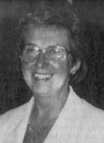
MOTHER'S DEATH HAS DESTROYED OUR FAMILY SON TELLS INQUEST
Mother's death has destroyed our family, son tells inquest
THE death of Mrs. Veda Short had "destroyed" the family, her son said in a statement read to the inquest.
Mr Ian Robert Short was unable to appear in court in person, but his statement was read to the coroner, by Mrs. Gemma Loughran.
The court heard how Mr. Short had just entered Gormley's shop on the Dromore Road, when he heard the bomb explosion.
He immediately drove to the car park at Drumragh Avenue, as he wanted to check on his mother who worked in the town.
He said that as he walked through the injured people he was watching for his mother. He said that he saw her on a sheet.
"I got my mother gathered up and got her into a car. I saw that she had severe injuries," his statement read.
In his deposition, Mr Short said that he could still see all the people who were screaming. He said that he would never forget seeing his mother lying there.
He said that he had difficulty sleeping and was receiving counselling.
"It has just destroyed our family," he said.
At 7.30 pm on the evening of the bomb, he said that he formally identified the body of his mother, Mrs. Veda Elizabeth Short, of 124 Moylagh Road, Gortaclare, His statement said that she was born at Drumquin, on June 14, 1942.
Linda McCulIagh, told the inquest she had gone into Omagh on the afternoon of the bomb and had parked her car near the courthouse. During the evacuation following the bomb warning, the police moved people further from the court house, she said
It was at this time that she met her aunt, Mrs. Short. She was standing close to her aunt when the bomb exploded.
The witness told the coroner that she also received injuries all over her body and still had nightmares.
Michael Gerald Slevin, of 3 Castleview Park, Omagh said he had gone into Omagh to buy some paint, when he came upon the scene at Market Street.
He described how he found many injured people there. He said that he came across Mrs. Short lying in the street in the area of Kells shop. Her son Ian was there trying to operate his mobile phone, he said.
Mr Slevin drove them to the Tyrone County Hospital where Mrs. Short was placed in the care of the doctors and nurses.
Doctor J. Charles Corrigan who was medical senior house officer on call at the Tyrone County Hospital was not in court, but his statement was read out, confirming that the body of a woman he had seen in the Accident and Emergency department, was that of Mrs. Short. He identified the deceased with the aid of pictures in a photograph album.
Professor Crane, state pathologist, who conducted the postmortem examination concluded that Mrs. Short had died from multiple injuries due to a bomb explosion.
The state pathologist said that Mrs. Short must have been close to the seat of the explosion. He established that unconsciousness would have been immediate. The combined effect of her injuries would have contributed to her death, he said.
"I don't think that she would have been aware of her injuries," said Professor Crane.
The coroner, Mr John Leckey, extended his deep sympathy to the family.
He said that from the very moving statement of Ian Short, he could understand how his experience had proved to be so traumatic and distressing to him.
The coroner said that he hoped through the passage of time his outlook would change and that it would be possible for the rest of his family to resume some normal kind of life.
THE death of Mrs. Veda Short had "destroyed" the family, her son said in a statement read to the inquest.
Mr Ian Robert Short was unable to appear in court in person, but his statement was read to the coroner, by Mrs. Gemma Loughran.
The court heard how Mr. Short had just entered Gormley's shop on the Dromore Road, when he heard the bomb explosion.
He immediately drove to the car park at Drumragh Avenue, as he wanted to check on his mother who worked in the town.
He said that as he walked through the injured people he was watching for his mother. He said that he saw her on a sheet.
"I got my mother gathered up and got her into a car. I saw that she had severe injuries," his statement read.
In his deposition, Mr Short said that he could still see all the people who were screaming. He said that he would never forget seeing his mother lying there.
He said that he had difficulty sleeping and was receiving counselling.
"It has just destroyed our family," he said.
At 7.30 pm on the evening of the bomb, he said that he formally identified the body of his mother, Mrs. Veda Elizabeth Short, of 124 Moylagh Road, Gortaclare, His statement said that she was born at Drumquin, on June 14, 1942.
Linda McCulIagh, told the inquest she had gone into Omagh on the afternoon of the bomb and had parked her car near the courthouse. During the evacuation following the bomb warning, the police moved people further from the court house, she said
It was at this time that she met her aunt, Mrs. Short. She was standing close to her aunt when the bomb exploded.
The witness told the coroner that she also received injuries all over her body and still had nightmares.
Michael Gerald Slevin, of 3 Castleview Park, Omagh said he had gone into Omagh to buy some paint, when he came upon the scene at Market Street.
He described how he found many injured people there. He said that he came across Mrs. Short lying in the street in the area of Kells shop. Her son Ian was there trying to operate his mobile phone, he said.
Mr Slevin drove them to the Tyrone County Hospital where Mrs. Short was placed in the care of the doctors and nurses.
Doctor J. Charles Corrigan who was medical senior house officer on call at the Tyrone County Hospital was not in court, but his statement was read out, confirming that the body of a woman he had seen in the Accident and Emergency department, was that of Mrs. Short. He identified the deceased with the aid of pictures in a photograph album.
Professor Crane, state pathologist, who conducted the postmortem examination concluded that Mrs. Short had died from multiple injuries due to a bomb explosion.
The state pathologist said that Mrs. Short must have been close to the seat of the explosion. He established that unconsciousness would have been immediate. The combined effect of her injuries would have contributed to her death, he said.
"I don't think that she would have been aware of her injuries," said Professor Crane.
The coroner, Mr John Leckey, extended his deep sympathy to the family.
He said that from the very moving statement of Ian Short, he could understand how his experience had proved to be so traumatic and distressing to him.
The coroner said that he hoped through the passage of time his outlook would change and that it would be possible for the rest of his family to resume some normal kind of life.
Further Information
Publisher: TYRONE CONSTITUTION
Ref: TC/1551
Published Date: 21-Sep-00
Related Images