THE SCALE OF THE DISASTER WAS UNPRECEDENTED
The scale of the disaster was unprecedented - surgeon
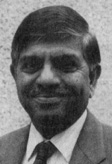
THE aftermath of the Market Street bomb was like "a disaster of battle field proportions" according to eminent surgeon, Mr. Dominic Pinto.
The surgeon said he was grateful to the coroner for the opportunity to tell those involved in the inquest what the hours after the bombing were like for the medical and emergency staff who were forced to cope with the horror of what the 3001b car bomb had caused.
In his statement Mr. Pinto told of how he heard the bomb blast and how difficult it was to get to the hospital as traffic was bumper-to-bumper.
He said the there was a plan of action at the County Hospital and when he got to the front of the building it was so calm and quiet he did not think anything had happened.
However he said that inside what greeted him was "sheer pandemonium" as the inside of the hospital resembled a battlefield.
People were lined up in corridors, they overflowed into the radiology department, while the accident and emergency department was full to capacity.
Mr. Pinto said that 240 casualties arrived at the hospital within the first 45 minutes after the bomb, and at the time the accident and emergency department was staffed for a normal Saturday afternoon shift. No warning of a bomb had been received at the hospital.
He said the first injured arrived at the hospital within five minutes and, paying tribute to the staff, he said control was soon established.
He said that he moved the "walking wounded" over to the Out Patients Department, while those injured and lying on trolleys were moved to four wards. The most seriously injured went to the Intensive Care Unit.
Having ascertained those with minor head, muscle and skull injuries and those with burns, he said he then informed Altnagelvin Hospital in Londonderry and the Royal Victoria and Belfast City Hospitals to expect casualties.
Transfer
Mr. Pinto said he then quickly assessed every patient in the Accident and Emergency Department and in the wards and decided who was to remain and who would be transferred to other hospitals. Patients were then prepared for transfer.
"It was only then that I could attend to people in Intensive Care. I was the only experienced surgeon available," Mr. Pinto said.
He added that he was later assisted by some doctors from South Tyrone Hospital, and he stressed that, without the help of other doctors the final outcome of the situation might have been much worse.
"The scale of the disaster was unprecedented in the history of the Troubles in Northern Ireland," he said, and in many ways the Omagh bomb was unique.
What made it unique were the numbers of older women and children involved; the close proximity of the hospital to the disaster, which was such that the hospital soon became the centre of the incident.
Other factors that made the incident unique included the fact that hospital staff with relatives killed or injured, and the fact that the bomb caused damage to the telecommunications systems in the town.
"Coroner: "Were there any particular difficulties in relation to getting blood or plasma?"
Mr. Pinto: "No. When occasions like this occur the Blood Transfusion Service is informed and supplies are brought straight away. There is some form of protocol in existence so the Blood Transfusion Service knows how to react."
He added that other fluids could also be used in the interim to keep people going if blood was not readily available.
THE aftermath of the Market Street bomb was like "a disaster of battle field proportions" according to eminent surgeon, Mr. Dominic Pinto.
The surgeon said he was grateful to the coroner for the opportunity to tell those involved in the inquest what the hours after the bombing were like for the medical and emergency staff who were forced to cope with the horror of what the 3001b car bomb had caused.
In his statement Mr. Pinto told of how he heard the bomb blast and how difficult it was to get to the hospital as traffic was bumper-to-bumper.
He said the there was a plan of action at the County Hospital and when he got to the front of the building it was so calm and quiet he did not think anything had happened.
However he said that inside what greeted him was "sheer pandemonium" as the inside of the hospital resembled a battlefield.
People were lined up in corridors, they overflowed into the radiology department, while the accident and emergency department was full to capacity.
Mr. Pinto said that 240 casualties arrived at the hospital within the first 45 minutes after the bomb, and at the time the accident and emergency department was staffed for a normal Saturday afternoon shift. No warning of a bomb had been received at the hospital.
He said the first injured arrived at the hospital within five minutes and, paying tribute to the staff, he said control was soon established.
He said that he moved the "walking wounded" over to the Out Patients Department, while those injured and lying on trolleys were moved to four wards. The most seriously injured went to the Intensive Care Unit.
Having ascertained those with minor head, muscle and skull injuries and those with burns, he said he then informed Altnagelvin Hospital in Londonderry and the Royal Victoria and Belfast City Hospitals to expect casualties.
Transfer
Mr. Pinto said he then quickly assessed every patient in the Accident and Emergency Department and in the wards and decided who was to remain and who would be transferred to other hospitals. Patients were then prepared for transfer.
"It was only then that I could attend to people in Intensive Care. I was the only experienced surgeon available," Mr. Pinto said.
He added that he was later assisted by some doctors from South Tyrone Hospital, and he stressed that, without the help of other doctors the final outcome of the situation might have been much worse.
"The scale of the disaster was unprecedented in the history of the Troubles in Northern Ireland," he said, and in many ways the Omagh bomb was unique.
What made it unique were the numbers of older women and children involved; the close proximity of the hospital to the disaster, which was such that the hospital soon became the centre of the incident.
Other factors that made the incident unique included the fact that hospital staff with relatives killed or injured, and the fact that the bomb caused damage to the telecommunications systems in the town.
"Coroner: "Were there any particular difficulties in relation to getting blood or plasma?"
Mr. Pinto: "No. When occasions like this occur the Blood Transfusion Service is informed and supplies are brought straight away. There is some form of protocol in existence so the Blood Transfusion Service knows how to react."
He added that other fluids could also be used in the interim to keep people going if blood was not readily available.
Further Information
Publisher: TYRONE CONSTITUTION
Ref: TC/1543
Published Date: 21-Sep-00
Related Images