BOMB FUND FURORE
Bomb fund Europe
by David Killen
A ROW has broken out over plans to contribute £1 million of the money donated to the Omagh Fund after the bomb of August 15, 1998, to a new Northern Ireland Trauma Centre.
Since the Omagh Fund was set up four years ago, just under £5m has been paid out to bereaved families and to people injured in the blast.
Up until April of this year £6,174,700 was donated to the Fund. Interest added has taken the net income to £6,382,000. The Fund still has £1,221,000 in its charitable trust account.
It plans to contribute £50,000 towards a permanent memorial, but the proposal to contribute £lm over five years to a new trauma centre has sparked a furore among some of the bereaved families.
They say the trauma centre is not needed and better uses could be made of the money.
The Trustees, though, say the Trauma centre was one of the ideas developed over many meetings and they believe that the centre can help the many people suffering from-trauma, who have never yet come forward.
The very public row has overshadowed what was a magnificent total donated by those who felt so deeply about the atrocity. Although comparisons must be viewed with some caution, it is probably one of the highest totals raised after an atrocity. The Enniskillen Poppy Day appeal, for example, raised £600,000, but must be viewed against a very different set of circumstances.
This week Mr Sean O'Dwyer, chairman of the trustees, was in an upbeat mood about the success of the fund, and robustly defended .it against criticism from some relatives.
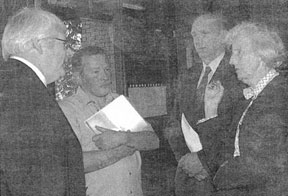
Indeed, trustees met some relatives at the Omagh District Council offices and were left in no uncertain frame of mind about the unhappiness of the relatives.
One relative said there had been 'a frank exchange of views', a description that some observers have called 'diplomatic'.
While some of the relatives have said the trauma centre was not needed, Mr O'Dwyer said more than 600 people had been traumatised, and not all had received treatment. Even for those who had already been seen, treatment would be needed into the future.
The decision to support the trauma centre had been a unanimous one of the trustees, Mr O'Dwyer said.
He added" "We still believe there are up to 1,000 who suffered from trauma and not all have been for counselling."
He said all the indications were that 30 to 40 per cent of those who had suffered trauma had not yet come forward.
"The trustees felt that one of the things we could do it to help get people cured from suffering in the future," he added.
Among those who met the Trustees were Mr Godfrey Wilson and his wife, Anne. Their daughter, Lorraine, died in the blast.
Mr Wilson told the Tyrone Constitution that many families were deeply unhappy about the trauma centre proposals.
"This was an appeal set up for people to help those who were harmed in the explosion. The money should not be used to fund health services that the Government should be providing," he said.
There were other ways to use the money that had not yet been distributed, Mr Wilson said.
The needs of the bereaved and injured would go on for years and money could be used to help many of those caught up in the atrocity in developing their careers, and even reserved for those who were injured and might need further medical help in years to come.
There were many relatives who had sought financial support for the trauma they suffered, but have been turned down.
"I applied but was shot down three times," he said.
He said contributions from the charitable trust had not even been made to help people with their legal cases.
The trauma centre proposal was like "spending good money after bad", said Mr Wilson.
He said he did not believe there was any great number of people who would use a new trauma centre
He added: "They [the trustees] have let us down."
Consultation
And Mr Michael Gallagher, chairman of the Omagh Self-Help Group, said many families believed there should have been wider consultation with them before allocating money from the charitable trust.
The money was given with the best of intentions for the people of Omagh, and it was the people of Omagh who should have a say in where it went, he added.
Mr Gallagher said he had no doubt there were still people suffering from trauma, but it was the Government's responsibility to fund their care.
Mr Gallagher said that in the aftermath of the bomb, 800 pieces of artwork and many books of condolence from throughout the world had been sent on. The trustees would have been better to consider funding a building that could be used to display these and tell the story of Omagh in its wider sense, not just the bomb.
One lesson that should be learned from the trauma centre fall-out was the need for wide consultation over a permanent memorial, Mr Gallagher said. He said the families believed that all should have a chance to get involved in that decision, not just a few.
Generous
While there has been some dissent over the use of money for a trauma centre, all involved believe that the response to the Omagh appeal was a generous and useful one.
Mr Gallagher said the response of the public had been magnificent in showing they cared after the bomb.
And Mr O'Dwyer, who was treasurer of the Claudy fund 30 years ago, said he had been delighted, but not surprised, by the magnificent response of so many.
Money had come in from many fund raising events, as well as personal donations, Mr O'Dwyer said.
He said there were major single contributions, including one from London of £800,000, while the 'Across the Bridge of Hope' CD raised £275,000. But there were also many smaller events that raised lesser amounts, but which still represented the hard work of organisers and the daring of supporters.
Further Information
Related Images