NO ONE WHO HAS EXPERIENCED DEEP SUFFERING WILL UNDERESTIMATE THE POWER IT HAS
No one who has experienced deep suffering will underestimate the power it has' - Terry Waite
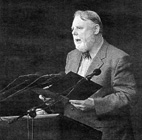
Addressing the crowd at the Omagh bomb 10th anniversary commemoration in the town on Friday, Terry Waite told of being 'shocked and pained by the terrors human beings inflict on one another today'.
The humanitarian, author and former hostage negotiator - released in 1991 after being held captive himself in Beirut for 1,763 days - emphasised that 'it is not for anyone to judge how the other responds to suffering'.
"I was born just before World War Two started and have distant memories of the dark years of that war. Soldiers marching past our home en route to their barracks and then to the front. An enemy plane crashing just a few hundred yards from where we lived. Doodlebugs that shook our house as they passed overhead en route for Liverpool or Manchester. I remember being desperately frightened.
"The true horror of warfare was brought home to me when I was almost in my teens. A television newsreel showed skeletal figures being thrown into a mass grave. It shocked me deeply and I have never forgotten those pictures. All this was brought back to me when last week I read Schindlers List - that remarkable story of the German industrialist who did his utmost to protect the Jewish workers in his charge.
"Although I knew of the atrocities, I was deeply shocked that human beings could behave in such a bestial manner as some members of the dreaded SS behaved. There is little doubt in my mind that the unjust suffering endured by the Jewish people has left a permanent scar on their corporate psyche.
"Remarkably many have been able to turn that suffering round. It has given them a deeper insight into suffering and they have been able to use that insight to relieve suffering in others. Some have not been able to take that road and indeed some inflict further suffering on their Palestinian neighbours. Anyone who has attempted to work for reconciliation in that part of the world will appreciate the difficulties. They will know that a polarised situation pulls at the mediator so that he or she can become a figure of suspicion on both sides.
"No one, I repeat, no one who has experienced deep suffering will underestimate the power it has. It can blind individuals to reason. It can cause them to cry out for revenge. It can tear communities apart. How can it be managed? Some would say that Justice is the answer and indeed we should always seek for justice. However, we know that in a flawed and broken world complete justice is hardly ever experienced. We do not live in a world where we can experience absolute justice. With justice as with so many other things in life, we frequently have to settle for something less than the absolute. It is far from easy to recognise that fact.
"As I read the book last week I was truly shocked by the atrocities committed so many years ago, just as I am shocked and pained by the terrors human beings inflict on one another today. I cannot give a complete answer to the question I pose regarding how to deal with suffering. I know that every man, woman and child who has suffered deeply has in some measure to deal with the issue for themselves. Yes, there can be support groups and understanding helpers and criminal trials, but, at root, the individual has to face the wound that has been inflicted on them.
"It is not for anyone to judge how the other responds to suffering. It is simply true to say that some responses lead to bitterness and virtual self-destruction. Others can transform the situation and lead the individual into new depths of compassion and understanding. I cannot, nor would I attempt to offer any false or easy solution to the effect the scars inflicted by suffering have had on this community and individuals within it.
"I am here today as I wish to stand in solidarity with those who weep and mourn. In all humility, I would also like to say that my faith teaches me that it is not inevitable that suffering need destroy. How hard the words of Jesus seem when he tells us to love our enemies. If we are to do that we need to know the real transforming power of love. How hard his words seem when he tells us to love our neighbours as ourselves.
'It is too hard Lord' would be an understandable response when we have faced the depth of injustice and agony. It is hard, but in the words of Jesus lie the wisdom of the ages and the clue to the healing of individuals and communities."
Addressing the crowd at the Omagh bomb 10th anniversary commemoration in the town on Friday, Terry Waite told of being 'shocked and pained by the terrors human beings inflict on one another today'.
The humanitarian, author and former hostage negotiator - released in 1991 after being held captive himself in Beirut for 1,763 days - emphasised that 'it is not for anyone to judge how the other responds to suffering'.
"I was born just before World War Two started and have distant memories of the dark years of that war. Soldiers marching past our home en route to their barracks and then to the front. An enemy plane crashing just a few hundred yards from where we lived. Doodlebugs that shook our house as they passed overhead en route for Liverpool or Manchester. I remember being desperately frightened.
"The true horror of warfare was brought home to me when I was almost in my teens. A television newsreel showed skeletal figures being thrown into a mass grave. It shocked me deeply and I have never forgotten those pictures. All this was brought back to me when last week I read Schindlers List - that remarkable story of the German industrialist who did his utmost to protect the Jewish workers in his charge.
"Although I knew of the atrocities, I was deeply shocked that human beings could behave in such a bestial manner as some members of the dreaded SS behaved. There is little doubt in my mind that the unjust suffering endured by the Jewish people has left a permanent scar on their corporate psyche.
"Remarkably many have been able to turn that suffering round. It has given them a deeper insight into suffering and they have been able to use that insight to relieve suffering in others. Some have not been able to take that road and indeed some inflict further suffering on their Palestinian neighbours. Anyone who has attempted to work for reconciliation in that part of the world will appreciate the difficulties. They will know that a polarised situation pulls at the mediator so that he or she can become a figure of suspicion on both sides.
"No one, I repeat, no one who has experienced deep suffering will underestimate the power it has. It can blind individuals to reason. It can cause them to cry out for revenge. It can tear communities apart. How can it be managed? Some would say that Justice is the answer and indeed we should always seek for justice. However, we know that in a flawed and broken world complete justice is hardly ever experienced. We do not live in a world where we can experience absolute justice. With justice as with so many other things in life, we frequently have to settle for something less than the absolute. It is far from easy to recognise that fact.
"As I read the book last week I was truly shocked by the atrocities committed so many years ago, just as I am shocked and pained by the terrors human beings inflict on one another today. I cannot give a complete answer to the question I pose regarding how to deal with suffering. I know that every man, woman and child who has suffered deeply has in some measure to deal with the issue for themselves. Yes, there can be support groups and understanding helpers and criminal trials, but, at root, the individual has to face the wound that has been inflicted on them.
"It is not for anyone to judge how the other responds to suffering. It is simply true to say that some responses lead to bitterness and virtual self-destruction. Others can transform the situation and lead the individual into new depths of compassion and understanding. I cannot, nor would I attempt to offer any false or easy solution to the effect the scars inflicted by suffering have had on this community and individuals within it.
"I am here today as I wish to stand in solidarity with those who weep and mourn. In all humility, I would also like to say that my faith teaches me that it is not inevitable that suffering need destroy. How hard the words of Jesus seem when he tells us to love our enemies. If we are to do that we need to know the real transforming power of love. How hard his words seem when he tells us to love our neighbours as ourselves.
'It is too hard Lord' would be an understandable response when we have faced the depth of injustice and agony. It is hard, but in the words of Jesus lie the wisdom of the ages and the clue to the healing of individuals and communities."
Further Information
Publisher: TYRONE CONSTITUTION
Ref: TC10An/45
Published Date: 21-Aug-08
Related Images