BERAGH WIDOWER SPEAKS OF LIVING DAILY WITH INDESCRIBABLE LOSS
Beragh widower speaks of living daily with 'indescribable' loss
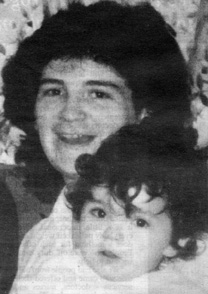
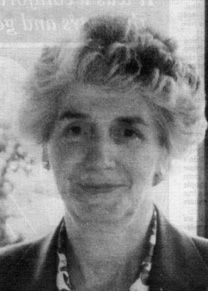
THE loss of a single loved-one brings unspeakable pain, but to lose a wife, daughter, granddaughter, and precious unborn twins is beyond comprehension - an ordeal Beragh's Mick Grimes grapples with daily.
Omagh's devastation, he believes, changed not only his life and that of his family, but Northern Ireland as a whole.
"The thing that angers me worst - if anger's the right word - is that peace was on its way. Things were well settled down. It makes it far worse. It made no sense.
"I do believe it made people aware that it made no sense - don't let it happen again.
"It was a turning point." Ten years after the loss of three generations of his family, Mr Grimes says that his recollection of August 15, 1998, is a 'turmoil' - a blur as the horror of his loss became apparent.
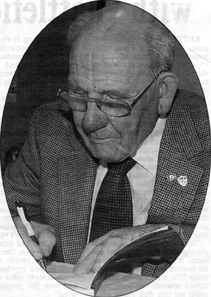
In a book released just last week, the retired local farmer gives a personal account of his life in rural Tyrone, with a chapter entitled 'August' dedicated to that fateful day - his wife Mary's birthday, and the day his world was 'cruelly torn apart'.
Hours after three generations of women had left the family farm to shop in town - he recounts in 'Till We Meet Again' - he heard the bomb explode. Then the reports of carnage and chaos began to flood in.
"No words could describe the feeling of helplessness that set in as we watched and waited for the car to return."
He recalls how he and his family struggled through those interminable hours, desperately searching for their loved ones. Unable to access the bomb scene, they were forced to wait at the designated incident room at Omagh Leisure Centre.
"It is not easy being obliged to stand aside and wait while strangers take over.
"It hurts to think that those you love the most may be lying injured and in pain and wondering why you do not come to their assistance.
"It hurts even more when those who are missing are the ones who would spare no effort to rush to the aid of anyone in need". They were afforded a brief glimmer of hope by a phone call from a Belfast hospital on Sunday morning, but that was soon dashed. It was later that day that the forensic matching of Mary Grimes' fingerprints on a vase in their home confirmed the family's worst fears. It was Monday when they gathered at Lisanelly barracks in Omagh to accompany the remains of "Avril, her twin girls and little Maura" home to Augher, and later in the day to take Mary's remains back to Deroar, Beragh.
Mick recalls the 'indescribable' days that followed, punctuated by a heartrending visit by one of the last people to see the family alive - a staff member from SD Kells.
The lady recalled how little Maura waved 'bye bye' as they left the shop.
"It was then the bomb exploded."
Ten years on and Mick Grimes has given some insight into the family's ordeal that horrifying August weekend, in a book that he agrees he found "very, very difficult to write".
"It was part of my life, it had to be recorded too, if you were going to do it at all".
The hours and days that followed the 3.10pm explosion, he says, remain a blur. "It was a turmoil. It would be hard to remember it in detail. Everything was confused.
"Neighbours take over, and thank goodness for it -I don't know what you would do if people didn't help," he added.
"The worst part of it is that when we found out we weren't allowed into town -you don't know what the situation is and you're not allowed to find out. "The whole night like that was dreadful - it couldn't be explained."
Having grabbed the world's attention, he remembers the media circus that descended - and has continued since.
"The publicity and the court cases and that, I didn't like it. But people handle things their own way.
"The pressure to express your opinion, when you can't, at a time like that was unbelievable.
"A lot of things were said when people were interviewed - when you could hardly be responsible for what statement you could make."
With much publicity having surrounded his desire to quell the war of words over the Omagh atrocity, he adds: "A lot is made if that I said I don't bear them any ... that still doesn't mean that I condone what they did.
"What they did was wrong. It made no sense. I find it easier to deal with thinking that it wasn't to be timed that way, that they meant the town to be cleared."
Shrugging that he is 'not really interested' in the memorial garden, and the obelisk on Market Street at the site of the car bomb, Mick Grimes has concerns at the amount of money that has been spent.
"Forgive me for saying so, but I think Omagh has been built on the strength of that bomb ... they've used it to renew he whole town. It's built for tourists - it's a tourist attraction.
"The site could have been marked with a plaque on the wall - it would have done the best. It might have been a bit more appropriate. They could have done a little at the garden, but not like that.
"The thousands and thousands of money that was spent could have been put to better use elsewhere."
THE loss of a single loved-one brings unspeakable pain, but to lose a wife, daughter, granddaughter, and precious unborn twins is beyond comprehension - an ordeal Beragh's Mick Grimes grapples with daily.
Omagh's devastation, he believes, changed not only his life and that of his family, but Northern Ireland as a whole.
"The thing that angers me worst - if anger's the right word - is that peace was on its way. Things were well settled down. It makes it far worse. It made no sense.
"I do believe it made people aware that it made no sense - don't let it happen again.
"It was a turning point." Ten years after the loss of three generations of his family, Mr Grimes says that his recollection of August 15, 1998, is a 'turmoil' - a blur as the horror of his loss became apparent.
In a book released just last week, the retired local farmer gives a personal account of his life in rural Tyrone, with a chapter entitled 'August' dedicated to that fateful day - his wife Mary's birthday, and the day his world was 'cruelly torn apart'.
Hours after three generations of women had left the family farm to shop in town - he recounts in 'Till We Meet Again' - he heard the bomb explode. Then the reports of carnage and chaos began to flood in.
"No words could describe the feeling of helplessness that set in as we watched and waited for the car to return."
He recalls how he and his family struggled through those interminable hours, desperately searching for their loved ones. Unable to access the bomb scene, they were forced to wait at the designated incident room at Omagh Leisure Centre.
"It is not easy being obliged to stand aside and wait while strangers take over.
"It hurts to think that those you love the most may be lying injured and in pain and wondering why you do not come to their assistance.
"It hurts even more when those who are missing are the ones who would spare no effort to rush to the aid of anyone in need". They were afforded a brief glimmer of hope by a phone call from a Belfast hospital on Sunday morning, but that was soon dashed. It was later that day that the forensic matching of Mary Grimes' fingerprints on a vase in their home confirmed the family's worst fears. It was Monday when they gathered at Lisanelly barracks in Omagh to accompany the remains of "Avril, her twin girls and little Maura" home to Augher, and later in the day to take Mary's remains back to Deroar, Beragh.
Mick recalls the 'indescribable' days that followed, punctuated by a heartrending visit by one of the last people to see the family alive - a staff member from SD Kells.
The lady recalled how little Maura waved 'bye bye' as they left the shop.
"It was then the bomb exploded."
Ten years on and Mick Grimes has given some insight into the family's ordeal that horrifying August weekend, in a book that he agrees he found "very, very difficult to write".
"It was part of my life, it had to be recorded too, if you were going to do it at all".
The hours and days that followed the 3.10pm explosion, he says, remain a blur. "It was a turmoil. It would be hard to remember it in detail. Everything was confused.
"Neighbours take over, and thank goodness for it -I don't know what you would do if people didn't help," he added.
"The worst part of it is that when we found out we weren't allowed into town -you don't know what the situation is and you're not allowed to find out. "The whole night like that was dreadful - it couldn't be explained."
Having grabbed the world's attention, he remembers the media circus that descended - and has continued since.
"The publicity and the court cases and that, I didn't like it. But people handle things their own way.
"The pressure to express your opinion, when you can't, at a time like that was unbelievable.
"A lot of things were said when people were interviewed - when you could hardly be responsible for what statement you could make."
With much publicity having surrounded his desire to quell the war of words over the Omagh atrocity, he adds: "A lot is made if that I said I don't bear them any ... that still doesn't mean that I condone what they did.
"What they did was wrong. It made no sense. I find it easier to deal with thinking that it wasn't to be timed that way, that they meant the town to be cleared."
Shrugging that he is 'not really interested' in the memorial garden, and the obelisk on Market Street at the site of the car bomb, Mick Grimes has concerns at the amount of money that has been spent.
"Forgive me for saying so, but I think Omagh has been built on the strength of that bomb ... they've used it to renew he whole town. It's built for tourists - it's a tourist attraction.
"The site could have been marked with a plaque on the wall - it would have done the best. It might have been a bit more appropriate. They could have done a little at the garden, but not like that.
"The thousands and thousands of money that was spent could have been put to better use elsewhere."
Further Information
Publisher: TYRONE CONSTITUTION
Ref: TC10An/32
Published Date: 14-Aug-08
Related Images