I DON'T THINK I'VE EVER SEEN SUCH A DEGREE OF COMPETENT PROFESSIONALISM
I don't think I've ever seen such a degree of competent professionalism in the midst of really shocking scenes'
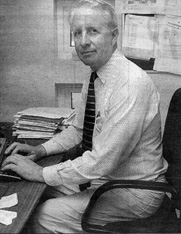
Dr Peter Garrett, lead consultant with the Tyrone County Hospital's renal unit, was the physician on duty when the car bomb exploded on Omagh's Market Street in 1998.
Noting that the on-call physician is the designated co-ordinator of the major disaster plan, he recalled the unfolding events of that Saturday afternoon.
"One of the interesting things about it was that there had actually been a dry-run of [the major incident plan] that Monday - the Monday before the Saturday.
"I'd been in clinic and I got a phonecall to say would I mind moving my car, because a helicopter wanted to land. I said I would mind, because I'm busy in clinic.
"Whoever was ringing me said well you've got to move it, because it's a major civilian disaster. I said, well it couldn't be, because I'm on-call, and the physician on-call is the co-ordinator.
"So that already established one line that hadn't worked in the dry-run - that was that the person who was supposed to be co-ordinating the event hadn't actually been contacted about it on the dry run. So that meant on the Saturday, I guess, that I was contacted very quickly."
Having received a call from the hospital switchboard, Dr Garrett immediately made his way back into Omagh.
"The first thing I thought when I was called was that it was another dry run - I could really do without this."
Driving into Omagh - with the air 'full of army helicopters' - it became clear that the situation was grave.
"I was still in my business suit, that I'd done the morning ward round in, which was completely inappropriate dress for the event, but there you go."
Praising the 'enormous contribution' made by healthcare professionals who attended from the locality and much further afield, Dr Garrett told of two friends, Anne and Paul Booth - nurses visiting from Yorkshire - who insisted on coming with him to the hospital to offer their assistance.
"Anne's contribution, in particular, was phenomenal. She went about the job with such a calm authoritative sense of professionalism that she was actually an inspiration to other members of staff".
Meeting with chaos as they arrived at the hospital, Dr Garrett recalled the prevailing sense of fear and disorientation: "Carnage, people confused, not
knowing what to do. I asked what was going on, and nobody was able to answer me.
"The phone in casualty rang. It was somebody ringing from Cavan I think asking what had happened to their Spanish friends, were they okay. That of course was a question I couldn't answer -the line was needed and I had to tell them as gently as I could that I had to hang up."
It was at that stage that staff heard that there had been at least 10 fatalities at the scene, and the magnitude of the situation became apparent.
A lot of those who had arrived at the hospital had very severe blood loss and so, he said, the decision was made to give anyone who was more than slightly injured intravenous fluids, antibiotics, tetanus, and pain relief. Disposition plans were drawn up for each patient, determining the treatment required and where they could receive the most appropriate care.
"Everybody signed up to this very quickly. I think it was very interesting how a simple template of action focused staff, and made it very straightforward to deal with every case, and I think undoubtedly this saved lives and shortened hospital stays."
When wards were opened to distribute and treat the casualties, he said that things rapidly became ordered: "very quickly the chaos and the screaming and the shouting that had been going on settled down, and everybody just settled into a mode of active, calm working patterns.
"It just really showed the advantages of a small hospital with a group of staff that know each other and are confident working with each other."
On the successes of the hospital's handling of an incident which far exceeded any experienced in its history, he said: "The final analysis showed that-despite the large number of serious casualties, and the large number of fatalities, only two people died after arriving in hospital."
Of the hundreds that attended the Tyrone County Hospital that day, he agreed that very many would have had significant injuries. Many of those with wounds of a less serious nature went elsewhere, or waited until a later time for treatment, rather than face the chaos and horror playing out in the local hospital: "I think the 300 odd that we counted ... were only the tip of the iceberg."
He noted that there were a lot of 'significant' injuries that did not present on the day - such as perforated eardrums and minor shrapnel injuries -that will, nonetheless, leave them with a "legacy that will last forever.".
Having met very many people since - both those that were injured and those that had been helping that day - he said he believed that "the great majority of people have coped marvellously well".
Preferring not to share his most personal memories of the horrors of 10 years ago, he said: "This was a complete first for me. I've seen serious injuries in horrible circumstances ... but other than in a war it's very, very rare that anybody will come across something of this scale.
"I think the way staff coped with the situation was absolutely fantastic - I don't think I've ever seen such a degree of competent professionalism in the midst of really shocking scenes. How people just went about their jobs in a calm manner, a professional manner, reassured the people who'd been severely damaged, and was just amazing. The chaos settled down very quickly."
He added: "The objective success of the response reflects on the value of small hospitals with accident and emergency departments, and staff who understand how to work with each other.
"You don't need 100 or 1,000 inpatient beds to cope with this sort of disaster, you need an emergency reception area with competent and experienced staff who can deal with the worst emergencies. That chance is now lost."
Dr Peter Garrett, lead consultant with the Tyrone County Hospital's renal unit, was the physician on duty when the car bomb exploded on Omagh's Market Street in 1998.
Noting that the on-call physician is the designated co-ordinator of the major disaster plan, he recalled the unfolding events of that Saturday afternoon.
"One of the interesting things about it was that there had actually been a dry-run of [the major incident plan] that Monday - the Monday before the Saturday.
"I'd been in clinic and I got a phonecall to say would I mind moving my car, because a helicopter wanted to land. I said I would mind, because I'm busy in clinic.
"Whoever was ringing me said well you've got to move it, because it's a major civilian disaster. I said, well it couldn't be, because I'm on-call, and the physician on-call is the co-ordinator.
"So that already established one line that hadn't worked in the dry-run - that was that the person who was supposed to be co-ordinating the event hadn't actually been contacted about it on the dry run. So that meant on the Saturday, I guess, that I was contacted very quickly."
Having received a call from the hospital switchboard, Dr Garrett immediately made his way back into Omagh.
"The first thing I thought when I was called was that it was another dry run - I could really do without this."
Driving into Omagh - with the air 'full of army helicopters' - it became clear that the situation was grave.
"I was still in my business suit, that I'd done the morning ward round in, which was completely inappropriate dress for the event, but there you go."
Praising the 'enormous contribution' made by healthcare professionals who attended from the locality and much further afield, Dr Garrett told of two friends, Anne and Paul Booth - nurses visiting from Yorkshire - who insisted on coming with him to the hospital to offer their assistance.
"Anne's contribution, in particular, was phenomenal. She went about the job with such a calm authoritative sense of professionalism that she was actually an inspiration to other members of staff".
Meeting with chaos as they arrived at the hospital, Dr Garrett recalled the prevailing sense of fear and disorientation: "Carnage, people confused, not
knowing what to do. I asked what was going on, and nobody was able to answer me.
"The phone in casualty rang. It was somebody ringing from Cavan I think asking what had happened to their Spanish friends, were they okay. That of course was a question I couldn't answer -the line was needed and I had to tell them as gently as I could that I had to hang up."
It was at that stage that staff heard that there had been at least 10 fatalities at the scene, and the magnitude of the situation became apparent.
A lot of those who had arrived at the hospital had very severe blood loss and so, he said, the decision was made to give anyone who was more than slightly injured intravenous fluids, antibiotics, tetanus, and pain relief. Disposition plans were drawn up for each patient, determining the treatment required and where they could receive the most appropriate care.
"Everybody signed up to this very quickly. I think it was very interesting how a simple template of action focused staff, and made it very straightforward to deal with every case, and I think undoubtedly this saved lives and shortened hospital stays."
When wards were opened to distribute and treat the casualties, he said that things rapidly became ordered: "very quickly the chaos and the screaming and the shouting that had been going on settled down, and everybody just settled into a mode of active, calm working patterns.
"It just really showed the advantages of a small hospital with a group of staff that know each other and are confident working with each other."
On the successes of the hospital's handling of an incident which far exceeded any experienced in its history, he said: "The final analysis showed that-despite the large number of serious casualties, and the large number of fatalities, only two people died after arriving in hospital."
Of the hundreds that attended the Tyrone County Hospital that day, he agreed that very many would have had significant injuries. Many of those with wounds of a less serious nature went elsewhere, or waited until a later time for treatment, rather than face the chaos and horror playing out in the local hospital: "I think the 300 odd that we counted ... were only the tip of the iceberg."
He noted that there were a lot of 'significant' injuries that did not present on the day - such as perforated eardrums and minor shrapnel injuries -that will, nonetheless, leave them with a "legacy that will last forever.".
Having met very many people since - both those that were injured and those that had been helping that day - he said he believed that "the great majority of people have coped marvellously well".
Preferring not to share his most personal memories of the horrors of 10 years ago, he said: "This was a complete first for me. I've seen serious injuries in horrible circumstances ... but other than in a war it's very, very rare that anybody will come across something of this scale.
"I think the way staff coped with the situation was absolutely fantastic - I don't think I've ever seen such a degree of competent professionalism in the midst of really shocking scenes. How people just went about their jobs in a calm manner, a professional manner, reassured the people who'd been severely damaged, and was just amazing. The chaos settled down very quickly."
He added: "The objective success of the response reflects on the value of small hospitals with accident and emergency departments, and staff who understand how to work with each other.
"You don't need 100 or 1,000 inpatient beds to cope with this sort of disaster, you need an emergency reception area with competent and experienced staff who can deal with the worst emergencies. That chance is now lost."
Further Information
Publisher: TYRONE CONSTITUTION
Ref: TC10An/31
Published Date: 14-Aug-08
Related Images