IT WAS A FAMILY THAT WAS ENGULFED BY A TERRIBLE TRAGEDY
It was a family that was engulfed by this terrible tragedy, but suddenly a lot of friends arrived to help'
Consultant physician recollects how staff at the' county' were 'living on adrenaline' as they pulled together in the face of tragedy
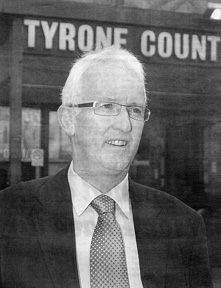
Dr Clive Russell, consultant physician at the Tyrone County Hospital, and former medical director with the then Sperrin Lakeland Trust, rushed into Omagh minutes after hearing the August 15 bomb go off.
Returning from a break in Donegal, he and his wife were unpacking the car when they heard the explosion. Alerted to the unfolding tragedy by the hospital switchboard, Dr Russell and his wife - also a doctor - drove at speed to the hospital, initially unsure if their own son and his girlfriend had been caught up in the blast.
Parking as usual outside Ward 12 the well-known local physician entered the hospital, noting a strange silence: "Then we walked through the corridor, down towards casualty, then just at the top of the stairs it was bedlam - hundreds of people shouting, screaming, carrying people in."
He and his colleagues, he said, began triaging patients immediately, sorting the mass of casualties into those who needed critical attention or immediate transport elsewhere, and those with less serious injuries.
"Everything was happening really, really quickly. But the amazing thing was that lots of staff came in. It overwhelmed me, that's all you can say. It was so heartening."
Particularly, he notes, when so many members of staff must have been concerned about the welfare of their own loved ones.
Dr Russell recalls describing the staff response that day during a subsequent debriefing: "It was a family that was suddenly engulfed by this terrible tragedy, but suddenly a lot of friends arrived to help.
"I have great loyalty to the staff. At that time the 'County' did a fantastic job, and I wouldn't have anyone say anything against that. We all worked together, we all pulled together as a staff. And that was doctors, nurses, porters, radiographers, pharmacists, everybody. That's the way a hospital should work, and that's a wonderful feeling."
He added: "It is amazing what you can do under pressure".
Dr Russell recognises that a lot of staff suffered great 'emotional stress' in the wake of that day, and some did have difficulty returning to work, however counselling was available throughout each of the departments in the hospital.
He said: "There are memories that you can cope with."
"I could find it still quite emotional to talk about the bomb ... I think the worst experience I had was meeting with the coroner's officer, who is a policeman, and this poor man had to identify, track all the bodies. It was just an awful job.
"They have to have a sort of forensic trail and all he had basically were photographs, and I remember him coming to us two or three weeks later, and he wanted to identify a young boy, and basically it was the girls in theatre and intensive care that did that.
"They remembered removing a football jersey. It was terrible. That was the worst memory I had."
He added: "It was just actually all these nurses who had gone through a lot, and then we had to sort of work our way through it again, and we all found that really difficult."
For the wonderful work of those who came to the assistance of the Tyrone County Hospital team that fateful day, he expressed tremendous gratitude.
"There was a radiologist from Altnagelvin, whom I knew who was at a wake in Omagh, and he came straight in."
Noting that ENT surgeon, Miss Kate Law, alongside innumerable junior doctors and GPs arrived on the scene, as well as staff from every discipline across the hospital, he said that the response was 'fantastic', even from those outside the Tyrone County's own staff.
"A young doctor came and introduced himself and asked if he could help. He was actually a neuro-surgeon from Dublin, who was on holiday in Sligo.
"I remember meeting two nurses from Magherafelt, some nurses from Derry."
Commending the endeavours of the various services, which included ambulance, police and army, he noted that even a member of the Coastguard arrived, and assisted with the helicopter movement of patients.
"It was a group of people who all just gelled together".
He recollected how local restaurants had sent food in later in the evening, and emphasised how such thoughtful acts demonstrated the town's community spirit.
Reflecting on a day that is indelibly etched on his memory, he said: "The image for me was standing here watching helicopters take off and land with casualties. I think it was the largest movement of casualties by helicopter that's ever taken place in peacetime Britain."
Of the chaotic scenes at the Tyrone County Hospital that day, he said: "There were so many people that we had to clear the wards, everybody was looking for their relatives. It was just horrendous - the corridors were so full. I remember Laurence Rush walking up and down looking for his wife - I kept seeing him through the afternoon.
"I remember it was really, really busy. Coming down the main corridor and all the ground floor was just hundreds of people. Ronnie Flanagan - the chief constable at that time - was standing in the middle and he just looked up and shook his head."
The team worked through the afternoon and on into the night operating 'circular triage', making sure everyone was comfort' able and treating pain.
"Most people were impressed with how quickly we did it. I don't know how we did it, a lot of it just happened."
In the midst of chaos and confusion, he says that there were some who were at an even greater disadvantage.
Among those killed and injured were a group of Spanish children who had been studying English in Buncrana, Co Donegal, and had spent the day in Omagh. One 12-year-old Spanish boy died, as well as a teacher from Spain.
Remembering arriving in the children's ward, asked to examine some of those injured in the blast, Dr Russell said: "A thing that struck me was these Spanish children, they all seemed to have blonde, curly hair - I thought that was strange. It was only when I went over to examine them that I realised it wasn't blonde hair, it was burnt. It was singed hair."
Staff organised it so that the children could talk to their families that night, and were assisted in translation by a Spanish nurse. The next day a delegation from the Spanish embassy arrived.
Among those figures who, he says, brought great comfort by their presence were the likes of Prince Charles, Taoiseach Bertie Ahern, and the Duke and Duchess of Abercorn.
On visits from various dignitaries in the immediate aftermath, he said: "We all got a bit of a lift from that.
"These are the bits that I find very comforting"
Noting the huge amount of money which was subsequently collected by the Rotary Clubs of Ireland, and the bringing over of Heather Mills to meet women who had lost limbs, he emphasised his appreciation for the 'tremendous work' that has taken place and indeed continues to be done.
"I think everybody's a victim, and nobody has a monopoply on grief really. Some people who weren't at the bomb were severely affected... people often feel guilty that they weren't there, weren't there to help."
He concluded: "I do know people who have never got over it, I know lots of people who have got over it and gone on with their lives. Everyone's an individual in how they deal with it.
"I think, in general, Omagh has coped very well."
Consultant physician recollects how staff at the' county' were 'living on adrenaline' as they pulled together in the face of tragedy
Dr Clive Russell, consultant physician at the Tyrone County Hospital, and former medical director with the then Sperrin Lakeland Trust, rushed into Omagh minutes after hearing the August 15 bomb go off.
Returning from a break in Donegal, he and his wife were unpacking the car when they heard the explosion. Alerted to the unfolding tragedy by the hospital switchboard, Dr Russell and his wife - also a doctor - drove at speed to the hospital, initially unsure if their own son and his girlfriend had been caught up in the blast.
Parking as usual outside Ward 12 the well-known local physician entered the hospital, noting a strange silence: "Then we walked through the corridor, down towards casualty, then just at the top of the stairs it was bedlam - hundreds of people shouting, screaming, carrying people in."
He and his colleagues, he said, began triaging patients immediately, sorting the mass of casualties into those who needed critical attention or immediate transport elsewhere, and those with less serious injuries.
"Everything was happening really, really quickly. But the amazing thing was that lots of staff came in. It overwhelmed me, that's all you can say. It was so heartening."
Particularly, he notes, when so many members of staff must have been concerned about the welfare of their own loved ones.
Dr Russell recalls describing the staff response that day during a subsequent debriefing: "It was a family that was suddenly engulfed by this terrible tragedy, but suddenly a lot of friends arrived to help.
"I have great loyalty to the staff. At that time the 'County' did a fantastic job, and I wouldn't have anyone say anything against that. We all worked together, we all pulled together as a staff. And that was doctors, nurses, porters, radiographers, pharmacists, everybody. That's the way a hospital should work, and that's a wonderful feeling."
He added: "It is amazing what you can do under pressure".
Dr Russell recognises that a lot of staff suffered great 'emotional stress' in the wake of that day, and some did have difficulty returning to work, however counselling was available throughout each of the departments in the hospital.
He said: "There are memories that you can cope with."
"I could find it still quite emotional to talk about the bomb ... I think the worst experience I had was meeting with the coroner's officer, who is a policeman, and this poor man had to identify, track all the bodies. It was just an awful job.
"They have to have a sort of forensic trail and all he had basically were photographs, and I remember him coming to us two or three weeks later, and he wanted to identify a young boy, and basically it was the girls in theatre and intensive care that did that.
"They remembered removing a football jersey. It was terrible. That was the worst memory I had."
He added: "It was just actually all these nurses who had gone through a lot, and then we had to sort of work our way through it again, and we all found that really difficult."
For the wonderful work of those who came to the assistance of the Tyrone County Hospital team that fateful day, he expressed tremendous gratitude.
"There was a radiologist from Altnagelvin, whom I knew who was at a wake in Omagh, and he came straight in."
Noting that ENT surgeon, Miss Kate Law, alongside innumerable junior doctors and GPs arrived on the scene, as well as staff from every discipline across the hospital, he said that the response was 'fantastic', even from those outside the Tyrone County's own staff.
"A young doctor came and introduced himself and asked if he could help. He was actually a neuro-surgeon from Dublin, who was on holiday in Sligo.
"I remember meeting two nurses from Magherafelt, some nurses from Derry."
Commending the endeavours of the various services, which included ambulance, police and army, he noted that even a member of the Coastguard arrived, and assisted with the helicopter movement of patients.
"It was a group of people who all just gelled together".
He recollected how local restaurants had sent food in later in the evening, and emphasised how such thoughtful acts demonstrated the town's community spirit.
Reflecting on a day that is indelibly etched on his memory, he said: "The image for me was standing here watching helicopters take off and land with casualties. I think it was the largest movement of casualties by helicopter that's ever taken place in peacetime Britain."
Of the chaotic scenes at the Tyrone County Hospital that day, he said: "There were so many people that we had to clear the wards, everybody was looking for their relatives. It was just horrendous - the corridors were so full. I remember Laurence Rush walking up and down looking for his wife - I kept seeing him through the afternoon.
"I remember it was really, really busy. Coming down the main corridor and all the ground floor was just hundreds of people. Ronnie Flanagan - the chief constable at that time - was standing in the middle and he just looked up and shook his head."
The team worked through the afternoon and on into the night operating 'circular triage', making sure everyone was comfort' able and treating pain.
"Most people were impressed with how quickly we did it. I don't know how we did it, a lot of it just happened."
In the midst of chaos and confusion, he says that there were some who were at an even greater disadvantage.
Among those killed and injured were a group of Spanish children who had been studying English in Buncrana, Co Donegal, and had spent the day in Omagh. One 12-year-old Spanish boy died, as well as a teacher from Spain.
Remembering arriving in the children's ward, asked to examine some of those injured in the blast, Dr Russell said: "A thing that struck me was these Spanish children, they all seemed to have blonde, curly hair - I thought that was strange. It was only when I went over to examine them that I realised it wasn't blonde hair, it was burnt. It was singed hair."
Staff organised it so that the children could talk to their families that night, and were assisted in translation by a Spanish nurse. The next day a delegation from the Spanish embassy arrived.
Among those figures who, he says, brought great comfort by their presence were the likes of Prince Charles, Taoiseach Bertie Ahern, and the Duke and Duchess of Abercorn.
On visits from various dignitaries in the immediate aftermath, he said: "We all got a bit of a lift from that.
"These are the bits that I find very comforting"
Noting the huge amount of money which was subsequently collected by the Rotary Clubs of Ireland, and the bringing over of Heather Mills to meet women who had lost limbs, he emphasised his appreciation for the 'tremendous work' that has taken place and indeed continues to be done.
"I think everybody's a victim, and nobody has a monopoply on grief really. Some people who weren't at the bomb were severely affected... people often feel guilty that they weren't there, weren't there to help."
He concluded: "I do know people who have never got over it, I know lots of people who have got over it and gone on with their lives. Everyone's an individual in how they deal with it.
"I think, in general, Omagh has coped very well."
Further Information
Publisher: TYRONE CONSTITUTION
Ref: TC10An/29
Published Date: 14-Aug-08
Related Images