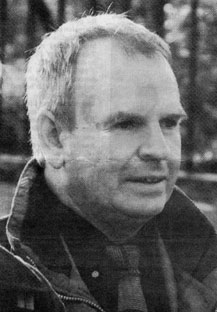
MURPHY IS REPUBLICAN TERRORIST OF LONG STANDING - JUDGES SAY
Murphy is republican terrorist of long standing - judges say
It took around an hour and a half for Mr. Justice Robert Barr to read out the verdict of the three-judge panel at the Central Criminal Court in Dublin on Tuesday afternoon.
He reviewed all of the evidence, including some of what have been seen as failings in the Garda investigation.. The judges said, though, that despite finding written Garda notes had been changed, they were satisfied beyond a reasonable doubt that Murphy was guilty.
Summarising the findings, the presiding judge said: "The Court has considered all of the telephone evidence and also other related testimony relied upon by the prosecution as amounting to corroboration of the accused's admission of guilt [in interviews by Gardai] of the conspiracy charge. The Court is satisfied that the following facts, which have been proved in evidence beyond reasonable doubt, are collectively corroborative of the accused's confessions of guilt regarding his part in the conspiracy to plant and detonate the Omagh car bomb," they said.
>The phone records which establish the movement of the accused's phone and the Morgan phone [a mobile given by an employee to Murphy] to and from Omagh at a time consistent with the bombing there on 15th August, 1998.
>Traffic between the two phones on that date.
>Lies told by the accused to Terence Morgan by way of explanation for wishing to borrow his mobile phone on 14th August, 1998.
>Lies told by the accused to Detective Gardai Reidy and King about not having loaned his mobile phone to anyone on the day of the Omagh bombing which lies were retracted by him in later interrogations.
>The fact that the accused's admissions of guilt recorded in Garda interview notes are uncontradicted in evidence.
>Telephone records relating to user of the accused's mobile phone at Banbridge on 1st August, 1998, and the broad similarity between the traffic pattern there and the Omagh phone traffic in relation to the accused's and Morgan's phones.
>The accused is a republican terrorist of long standing having been convicted of serious offences of that nature in this State and in the United States of America for each of which he served prison sentences. In the light of that background and his membership of a dissident terrorist group in Ireland which is not on ceasefire he is a person likely to be involved in terrorist activities of the sort charged against him.
>Among others contacted by the accused's mobile phone shortly before the Banbridge bombing was a man to whom the accused is alleged to have stated he had supplied his own and Terence Morgan's phone on or about 15.87.1998 for use in connection with the Omagh bombing.
>The accused is alleged to have conceded that [the man] was then a member of the Real IRA, an active anti-peace agreement terrorist group on the republican side. [That man] is recorded as having received three calls from the accused's mobile phone on 1.8.1998, ie. at 13.05; 13.48 and 14.09.
The Judges' summary continued: "The Court has no doubt that the accumulative effect on the foregoing facts lead only to a conclusion that the confessions allegedly made by the accused in course of Garda interrogation, in particular those made to Detective Garda Hanley and Detective Sergeant McGrath as recorded in exhibit No.28, regarding his complicity in the conspiracy to bomb Omagh were, in fact, made by the accused in course of lawfully conducted and recorded interrogations and that it is proper for the court to regard them as truthful and accurate. It is, therefore, proper to admit the relevant Garda testimony and related interrogation notes in evidence.
"Likewise, the accused's ultimate admission that he had loaned his mobile phone on or about 1st August. 1998, to [another named individual] who the accused implied had some connection with the bombing in Banbridge that day, establishes a likely similar connection between the accused and the later event as that between him and the Omagh bombing.
"The Banbridge telephone evidence, though somewhat less strong than that relating to the subsequent Omagh bombing, is another stick in he bundle which collectively establish that the accused was guilty of complicity in the Omagh bomb conspiracy. A critical review of the entire evidence has lead the Court to conclude beyond reasonable doubt that the accused is guilty of the offence charged in the first count in the Indictment.
"It is pertinent to add that if the Court had decided that the foregoing factors did not collectively go far enough to establish confirmation of the accused's guilt, it is satisfied beyond reasonable doubt that the alleged admissions made by him in course of Garda interrogation as recorded in notes made by the interrogators (in particular of the interview, conducted by Detective Garda Hanley and Detective Sergeant McGrath on 23rd February, 1998, exhibit No.28) have a probative ring of truth and there is a convincing explanation for the accused making them.
"In course of interrogation after arrest the accused had learned that the Garda Siochana had evidence to establish that he had borrowed Terence Morgan's mobile phone on 14th August, 1998, and that the later together with his own phone had travelled to and from Omagh on the following day at times consistent with the bombing there and that there had been traffic between them.
"He also became aware that the Garda had evidence that might be regarded as connecting him, a known dissident republican terrorist, with the Banbridge bombing on 1.8.1998. It is highly likely that the accused would have feared that the foregoing information would be used to connect him with actual participation in the transportation of the car bomb to Omagh either directly or in a related scout car.
"His early insistence in course of interrogation that he had not loaned his mobile phone to anyone on 1st or 15th August, 1998, in conjunction with phone records tended to suggest that he was the person who used his mobile phone at the material times. In order to avoid any such conclusion and to distance himself from actual participation in the Omagh bombing per se, he had a strong incentive to tell the truth, ie. that he had collaborated in the Omagh conspiracy to the extent that he had provided the two mobile phones for use in carrying out the intended objective but that that was the full extent of his part in the operation.
"In short, the Court is satisfied that even if the foregoing evidential factors fell short of corroborating the accused's guilt of conspiracy as charged, it would have been proper to convict him on the basis of his own admissions."
It took around an hour and a half for Mr. Justice Robert Barr to read out the verdict of the three-judge panel at the Central Criminal Court in Dublin on Tuesday afternoon.
He reviewed all of the evidence, including some of what have been seen as failings in the Garda investigation.. The judges said, though, that despite finding written Garda notes had been changed, they were satisfied beyond a reasonable doubt that Murphy was guilty.
Summarising the findings, the presiding judge said: "The Court has considered all of the telephone evidence and also other related testimony relied upon by the prosecution as amounting to corroboration of the accused's admission of guilt [in interviews by Gardai] of the conspiracy charge. The Court is satisfied that the following facts, which have been proved in evidence beyond reasonable doubt, are collectively corroborative of the accused's confessions of guilt regarding his part in the conspiracy to plant and detonate the Omagh car bomb," they said.
>The phone records which establish the movement of the accused's phone and the Morgan phone [a mobile given by an employee to Murphy] to and from Omagh at a time consistent with the bombing there on 15th August, 1998.
>Traffic between the two phones on that date.
>Lies told by the accused to Terence Morgan by way of explanation for wishing to borrow his mobile phone on 14th August, 1998.
>Lies told by the accused to Detective Gardai Reidy and King about not having loaned his mobile phone to anyone on the day of the Omagh bombing which lies were retracted by him in later interrogations.
>The fact that the accused's admissions of guilt recorded in Garda interview notes are uncontradicted in evidence.
>Telephone records relating to user of the accused's mobile phone at Banbridge on 1st August, 1998, and the broad similarity between the traffic pattern there and the Omagh phone traffic in relation to the accused's and Morgan's phones.
>The accused is a republican terrorist of long standing having been convicted of serious offences of that nature in this State and in the United States of America for each of which he served prison sentences. In the light of that background and his membership of a dissident terrorist group in Ireland which is not on ceasefire he is a person likely to be involved in terrorist activities of the sort charged against him.
>Among others contacted by the accused's mobile phone shortly before the Banbridge bombing was a man to whom the accused is alleged to have stated he had supplied his own and Terence Morgan's phone on or about 15.87.1998 for use in connection with the Omagh bombing.
>The accused is alleged to have conceded that [the man] was then a member of the Real IRA, an active anti-peace agreement terrorist group on the republican side. [That man] is recorded as having received three calls from the accused's mobile phone on 1.8.1998, ie. at 13.05; 13.48 and 14.09.
The Judges' summary continued: "The Court has no doubt that the accumulative effect on the foregoing facts lead only to a conclusion that the confessions allegedly made by the accused in course of Garda interrogation, in particular those made to Detective Garda Hanley and Detective Sergeant McGrath as recorded in exhibit No.28, regarding his complicity in the conspiracy to bomb Omagh were, in fact, made by the accused in course of lawfully conducted and recorded interrogations and that it is proper for the court to regard them as truthful and accurate. It is, therefore, proper to admit the relevant Garda testimony and related interrogation notes in evidence.
"Likewise, the accused's ultimate admission that he had loaned his mobile phone on or about 1st August. 1998, to [another named individual] who the accused implied had some connection with the bombing in Banbridge that day, establishes a likely similar connection between the accused and the later event as that between him and the Omagh bombing.
"The Banbridge telephone evidence, though somewhat less strong than that relating to the subsequent Omagh bombing, is another stick in he bundle which collectively establish that the accused was guilty of complicity in the Omagh bomb conspiracy. A critical review of the entire evidence has lead the Court to conclude beyond reasonable doubt that the accused is guilty of the offence charged in the first count in the Indictment.
"It is pertinent to add that if the Court had decided that the foregoing factors did not collectively go far enough to establish confirmation of the accused's guilt, it is satisfied beyond reasonable doubt that the alleged admissions made by him in course of Garda interrogation as recorded in notes made by the interrogators (in particular of the interview, conducted by Detective Garda Hanley and Detective Sergeant McGrath on 23rd February, 1998, exhibit No.28) have a probative ring of truth and there is a convincing explanation for the accused making them.
"In course of interrogation after arrest the accused had learned that the Garda Siochana had evidence to establish that he had borrowed Terence Morgan's mobile phone on 14th August, 1998, and that the later together with his own phone had travelled to and from Omagh on the following day at times consistent with the bombing there and that there had been traffic between them.
"He also became aware that the Garda had evidence that might be regarded as connecting him, a known dissident republican terrorist, with the Banbridge bombing on 1.8.1998. It is highly likely that the accused would have feared that the foregoing information would be used to connect him with actual participation in the transportation of the car bomb to Omagh either directly or in a related scout car.
"His early insistence in course of interrogation that he had not loaned his mobile phone to anyone on 1st or 15th August, 1998, in conjunction with phone records tended to suggest that he was the person who used his mobile phone at the material times. In order to avoid any such conclusion and to distance himself from actual participation in the Omagh bombing per se, he had a strong incentive to tell the truth, ie. that he had collaborated in the Omagh conspiracy to the extent that he had provided the two mobile phones for use in carrying out the intended objective but that that was the full extent of his part in the operation.
"In short, the Court is satisfied that even if the foregoing evidential factors fell short of corroborating the accused's guilt of conspiracy as charged, it would have been proper to convict him on the basis of his own admissions."
Further Information
Publisher: TYRONE CONSTITUTION
Ref: TC/0996
Published Date: 24-Jan-02
Related Images