TRAUMA TEAM IS HELPING INSPIRE HOPE FOR THE FUTURE
Trauma team is helping 'inspire hope for the future'
NO ONE is immune to the adverse effects of last August's Omagh bombing, and it is never to late to seek help. That is the advice of the professionals at the Bridge Trauma Centre.
A team of professionals works from the centre at Campsie, and has been busy over the past year helping those caught up in the blast.
In that time, 474 people have been referred to the team, and 238 are still what it calls 'active'.
Many of those helped have been referred by doctors, but many more have come in through their own volition. And the team stresses that no formal referral is needed for those who wish to find help.
Even now, almost a year on, me trauma team is still seeing people coming for help for the first time.
In developing its strategy, the centre drew on experiences of other violence tragedies. A lot of its work depends on letting people talk about their experiences.
Grief, depression, agoraphobia, panic attacks self-harm, and psychosis are among the reactions commonly found by the team.
Some people are still trying to cope with what happened on their own. The trauma team members say that men seem less willing to seek help and support and talk about their feelings. This can result in them drinking to excess, which can store up problems for the future.
The trauma teams says some of those caught up in the bomb and its aftermath would like to wrap things up and draw a line under them as the anniversary approaches , and the trauma team has been trying to strike a balance between those who feel in that way, and those who would be hurt by the idea.
It is also aware that things will change in the second year after the bomb and there will not be as much attention placed on Omagh. Local people will be left more to rely on their own efforts.
And there is also a feeling that, with all the attention paid towards the Omagh bombing, those who had suffered loss in other incidents over the years had been forgotten.
Understanding
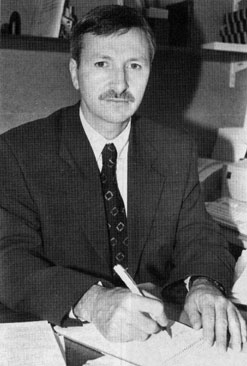
Approaching the anniversary, trauma team leader, Mr. Michael Duffy, appealed for tolerance and understanding to be shown towards those who had suffered.
"People were traumatised a year ago, but they still need the tolerance and understanding of their families and the community to help them. To cease that could impact on their progress," he said.
For some, the anniversary would be a turning point, said Dr. Maura McDermott, clinical psychiatrist.
"It can be good or bad, though some people who felt they had been doing well will go through all the emotions agin at the anniversary.
Mr. Duffy acknowledged all the help that had poured into Omagh since the bombing. That had included offers of holidays, which had been taken advantage of.
"We have often said that last August the people of Omagh were exposed to the barbaric side of human nature and a lot of the help that has come in has, in some small ways, helped to compensate for that," he said.
Dr. McDermott has worked a lot with children and young people since the blast. She has seen the full range of grief and reaction.
She says that modern thinking is that children suffer as much, if not more, than adults.
"Even 20 years ago it was thought children were more resilient than adults
"Children who were in the vicinity of the explosion or who went into the town afterwards or to hospitals to look for relatives are more likely than adults to suffer the consequences," she said.
A big problem with children was that they did not 'self refer' themselves to the trauma team, and a lot of research was by talking to a adults, who often underestimated the effects on children.
A lot of parents, also, had been so badly affected themselves that they were not aware of the disturbance children were facing.
Many younger children were often more distressed that their older peers, who could verbalise their feelings, she said.
A big problem for the team was trying to help children, Dr. McDermott said.
One approach was through schools, in which the trauma team was trying to access children directly.
Efforts at this would be renewed in September, with the cooperation of the schools and the Western Education and Library Board, she said.
A broad mix of people are involved in the team, and they brought a different range of skills to ear, said Mr. David Bolton, director of social work.
"There is no magic in what we do we discuss it all with them and we enable a lot of people to work for themselves," he said.
"People who have been through this type of event can feel powerless and that they have no worth. Our work with them is important to help them rediscover their power and self worth," he added.
The trauma team believes it still has work to do, but that in a year or two it can begin to wind down ass people are better able to cope with what they have been through.
The anniversary will be a chance to remember, and Mr. Duffy said it was important that the community should not forget what had happened.
A lot of what the trauma team is doing is to inspire hope for the future, particularly among teenagers who are already in a vulnerable group and face a lot of questions on the meaning of life, a meaning that was shaken by the bomb.
"A lot of people need reassurance that what they are going through can be overcome in time, and inspiring hope for the future is an important part of what we do," said Mr. Duffy.
NO ONE is immune to the adverse effects of last August's Omagh bombing, and it is never to late to seek help. That is the advice of the professionals at the Bridge Trauma Centre.
A team of professionals works from the centre at Campsie, and has been busy over the past year helping those caught up in the blast.
In that time, 474 people have been referred to the team, and 238 are still what it calls 'active'.
Many of those helped have been referred by doctors, but many more have come in through their own volition. And the team stresses that no formal referral is needed for those who wish to find help.
Even now, almost a year on, me trauma team is still seeing people coming for help for the first time.
In developing its strategy, the centre drew on experiences of other violence tragedies. A lot of its work depends on letting people talk about their experiences.
Grief, depression, agoraphobia, panic attacks self-harm, and psychosis are among the reactions commonly found by the team.
Some people are still trying to cope with what happened on their own. The trauma team members say that men seem less willing to seek help and support and talk about their feelings. This can result in them drinking to excess, which can store up problems for the future.
The trauma teams says some of those caught up in the bomb and its aftermath would like to wrap things up and draw a line under them as the anniversary approaches , and the trauma team has been trying to strike a balance between those who feel in that way, and those who would be hurt by the idea.
It is also aware that things will change in the second year after the bomb and there will not be as much attention placed on Omagh. Local people will be left more to rely on their own efforts.
And there is also a feeling that, with all the attention paid towards the Omagh bombing, those who had suffered loss in other incidents over the years had been forgotten.
Understanding
Approaching the anniversary, trauma team leader, Mr. Michael Duffy, appealed for tolerance and understanding to be shown towards those who had suffered.
"People were traumatised a year ago, but they still need the tolerance and understanding of their families and the community to help them. To cease that could impact on their progress," he said.
For some, the anniversary would be a turning point, said Dr. Maura McDermott, clinical psychiatrist.
"It can be good or bad, though some people who felt they had been doing well will go through all the emotions agin at the anniversary.
Mr. Duffy acknowledged all the help that had poured into Omagh since the bombing. That had included offers of holidays, which had been taken advantage of.
"We have often said that last August the people of Omagh were exposed to the barbaric side of human nature and a lot of the help that has come in has, in some small ways, helped to compensate for that," he said.
Dr. McDermott has worked a lot with children and young people since the blast. She has seen the full range of grief and reaction.
She says that modern thinking is that children suffer as much, if not more, than adults.
"Even 20 years ago it was thought children were more resilient than adults
"Children who were in the vicinity of the explosion or who went into the town afterwards or to hospitals to look for relatives are more likely than adults to suffer the consequences," she said.
A big problem with children was that they did not 'self refer' themselves to the trauma team, and a lot of research was by talking to a adults, who often underestimated the effects on children.
A lot of parents, also, had been so badly affected themselves that they were not aware of the disturbance children were facing.
Many younger children were often more distressed that their older peers, who could verbalise their feelings, she said.
A big problem for the team was trying to help children, Dr. McDermott said.
One approach was through schools, in which the trauma team was trying to access children directly.
Efforts at this would be renewed in September, with the cooperation of the schools and the Western Education and Library Board, she said.
A broad mix of people are involved in the team, and they brought a different range of skills to ear, said Mr. David Bolton, director of social work.
"There is no magic in what we do we discuss it all with them and we enable a lot of people to work for themselves," he said.
"People who have been through this type of event can feel powerless and that they have no worth. Our work with them is important to help them rediscover their power and self worth," he added.
The trauma team believes it still has work to do, but that in a year or two it can begin to wind down ass people are better able to cope with what they have been through.
The anniversary will be a chance to remember, and Mr. Duffy said it was important that the community should not forget what had happened.
A lot of what the trauma team is doing is to inspire hope for the future, particularly among teenagers who are already in a vulnerable group and face a lot of questions on the meaning of life, a meaning that was shaken by the bomb.
"A lot of people need reassurance that what they are going through can be overcome in time, and inspiring hope for the future is an important part of what we do," said Mr. Duffy.
Further Information
Publisher: TYRONE CONSTITUTION
Ref: TC/0701
Published Date: 12-Aug-99
Related Images