POLICEMAN TELLS OF PERFECT EVACUATION THAT BECAME A SCENE FROM HELL
Policeman tells of the 'perfect' evacuation that became a scene from hell
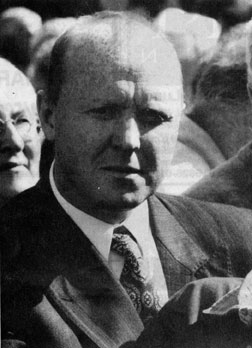
HE cannot eat, cannot sleep, and dismisses colleagues' claims that he is a hero. But Sergeant Philip Marshall can offer some words of comfort to bereaved families. The modest policeman, who tried to impose order on the chaos of Market Street on August 15, spoke to the Tyrone Constitution.
"You could say that so many-people were heroes on the day, the only thing that I tried to achieve was a system to it all," he said.
But this system was all important, in that it reduced levels of panic, brought comfort to the dying, and, ultimately, saved many lives.
Something which will bring great comfort to the relatives of the dead, is Sgt. Marshall's revelation that every wounded person was attended by two people. No-one was left to suffer and die alone.
"I thought, somebody's going to have to put a semblance of order on this situation, so I decided to allocate two able people to each badly injured person: one to tend to their wounds, and the other to offer words of comfort. It didn't matter whether the helpers were firemen, ambulance workers, or members of the public," he said.
"Even if there was no response from the injured, we had to comfort them before medical help arrived."
Sgt. Marshall revealed that the first tragedy of Saturday was the initial success of the evacuation process, as his men jumped into action following the misleading warning.
"On the day itself, before I left the building, I read the message which came through. And I understood the bomb was at the Courthouse.
"I went up the town and saw the boys doing the clearance operation. The middle of the town was well done, but there were problems in the John St/ Church St area, so I went to clear the pubs in John Street.
"I walked down in front of the Courthouse, knowing John St and Church St were clear, and I was able to look up George's St, and see it was empty.
'Perfect'
"I turned and looked down the town, there were no people and I my initial thought was that it was perfect, that we couldn't have done better. Omagh was like a ghost town. I thought: if something goes up now, it's building only.
Sgt. Marshall then walked down High Street, relaying a message to the station that he and his men were checking the cars on both sides of the street for an incendiary device.
"We couldn't find a car that looked suspicious, or which was heavily laden in any way. We were just starting to look, when there was an almighty blast.
"I looked down the town and saw a big grey plume, and heard glass twinkling down. I ran down to Market Street as quickly as I could. It was a scene from hell.
"The first person I saw was a badly injured boy, and further down the road I went the worse it got."
Sgt. Marshall was at the scene of the Ballygawley bus bomb, almost 10 years previously, but said that what he witnessed in Omagh was even more horrific.
"The one thing that really got to me in Market Street was the noise. Because there were so many female shoppers, the screaming was unbelievable, and as well as this, the alarms were going off in the shops," he said.
A large part of what Sgt. Marshall believes was the bomb-carrying car was burning in the middle of the road, and there were people trapped underneath. A civilian handed two fire extinguishers to him, and he was able to put out the blaze and pull the bodies away.
"After that, the biggest problem was knowing who to go to first. People were begging for help, but because they were well enough to beg, I had to move on, to others who were more seriously injured," he said.
The wounded were lifted on to blankets from nearby shops, and carried to the junction of Market Street and the Dublin Road, where members of the public waited with them until the ambulances arrived.
Convoy
Passing vehicles were commandeered by the police and filled with the badly injured, and the drivers were instructed to join the convoy which was heading in the direction of the hospital.
Sgt. Marshall's priority was to clear the scene, and carry out a comprehensive search of the buildings.
"Many people were in shock and wanted to go on helping, but I had to tell them to them to go and tend to the injured, and leave us at the scene," he said.
"The only way I could get order was to stand in the middle of Market St and yell at the top of my voice. I don't even remember what I said, but it got everyone's attention.
"I grabbed Paddy McGowan and Fr Mullan, and asked them to use their influence to encourage the people to move out of Market Street."
Then began the harrowing task of searching for the dead, but even in the midst of this, there was a glimmer of hope.
"We searched the buildings, and found one woman in McElroy's shoe shop. There wasn't a mark on her, although she was in total shock. She kept repeating the one phrase over and over again, something mundane about going to the shops. As we took her out we were examining her, but there wasn't a scratch on her," he said.
But this hope turned to despair as more casualties were discovered.
Sgt. Marshall is anxious to let families know that the dead were treated with the utmost respect. His testimony reveals that, although there were many walking wounded to be tended to, the dignity of the dead was paramount.
After an army doctor confirmed that they were officially deceased, and the bodies were covered, and removed from the view of the photographers, who were already arriving on the scene, to a temporary morgue at the army camp.
Praise
Sgt. Marshall thanked the members of the public and the emergency services who worked so tirelessly, but reserved his highest praise for the young policemen who were with him at the scene.
"These kids performed heroics. Nobody cracked, nobody ran away. No human should have to do the things I asked them to do. A lot of them are local, and knew the people involved," he said.
One brave young officer's back was badly cut with glass, but he refused to seek medical attention until all civilians had been tended to.
Like so many survivors of the atrocity, many of the young policemen are left with feelings of guilt. Acting in good faith, they had evacuated the shoppers away from the Courthouse.
"But if the same call came in next week, the same procedures would have been followed," Sgt. Marshall said.
"We are trying to help each other through it, we are on the phone every day. We will overcome it by doing little things like walking back up the town: these are hurdles that have to be crossed.
"The scenes will haunt us for the rest of our lives. When I go to bed I think about it, and when I wake up 1 think about it.
"I don't know how I kept going, but I knew I had to keep a channel of communications going, otherwise the whole thing would have fallen apart.
"Writing up my statement later, I realised that I had been at the scene for five hours. It didn't seem anywhere near that. And things kept coming back," he said.
With that Sgt. Marshall put his head in his hands: he had revealed enough.
HE cannot eat, cannot sleep, and dismisses colleagues' claims that he is a hero. But Sergeant Philip Marshall can offer some words of comfort to bereaved families. The modest policeman, who tried to impose order on the chaos of Market Street on August 15, spoke to the Tyrone Constitution.
"You could say that so many-people were heroes on the day, the only thing that I tried to achieve was a system to it all," he said.
But this system was all important, in that it reduced levels of panic, brought comfort to the dying, and, ultimately, saved many lives.
Something which will bring great comfort to the relatives of the dead, is Sgt. Marshall's revelation that every wounded person was attended by two people. No-one was left to suffer and die alone.
"I thought, somebody's going to have to put a semblance of order on this situation, so I decided to allocate two able people to each badly injured person: one to tend to their wounds, and the other to offer words of comfort. It didn't matter whether the helpers were firemen, ambulance workers, or members of the public," he said.
"Even if there was no response from the injured, we had to comfort them before medical help arrived."
Sgt. Marshall revealed that the first tragedy of Saturday was the initial success of the evacuation process, as his men jumped into action following the misleading warning.
"On the day itself, before I left the building, I read the message which came through. And I understood the bomb was at the Courthouse.
"I went up the town and saw the boys doing the clearance operation. The middle of the town was well done, but there were problems in the John St/ Church St area, so I went to clear the pubs in John Street.
"I walked down in front of the Courthouse, knowing John St and Church St were clear, and I was able to look up George's St, and see it was empty.
'Perfect'
"I turned and looked down the town, there were no people and I my initial thought was that it was perfect, that we couldn't have done better. Omagh was like a ghost town. I thought: if something goes up now, it's building only.
Sgt. Marshall then walked down High Street, relaying a message to the station that he and his men were checking the cars on both sides of the street for an incendiary device.
"We couldn't find a car that looked suspicious, or which was heavily laden in any way. We were just starting to look, when there was an almighty blast.
"I looked down the town and saw a big grey plume, and heard glass twinkling down. I ran down to Market Street as quickly as I could. It was a scene from hell.
"The first person I saw was a badly injured boy, and further down the road I went the worse it got."
Sgt. Marshall was at the scene of the Ballygawley bus bomb, almost 10 years previously, but said that what he witnessed in Omagh was even more horrific.
"The one thing that really got to me in Market Street was the noise. Because there were so many female shoppers, the screaming was unbelievable, and as well as this, the alarms were going off in the shops," he said.
A large part of what Sgt. Marshall believes was the bomb-carrying car was burning in the middle of the road, and there were people trapped underneath. A civilian handed two fire extinguishers to him, and he was able to put out the blaze and pull the bodies away.
"After that, the biggest problem was knowing who to go to first. People were begging for help, but because they were well enough to beg, I had to move on, to others who were more seriously injured," he said.
The wounded were lifted on to blankets from nearby shops, and carried to the junction of Market Street and the Dublin Road, where members of the public waited with them until the ambulances arrived.
Convoy
Passing vehicles were commandeered by the police and filled with the badly injured, and the drivers were instructed to join the convoy which was heading in the direction of the hospital.
Sgt. Marshall's priority was to clear the scene, and carry out a comprehensive search of the buildings.
"Many people were in shock and wanted to go on helping, but I had to tell them to them to go and tend to the injured, and leave us at the scene," he said.
"The only way I could get order was to stand in the middle of Market St and yell at the top of my voice. I don't even remember what I said, but it got everyone's attention.
"I grabbed Paddy McGowan and Fr Mullan, and asked them to use their influence to encourage the people to move out of Market Street."
Then began the harrowing task of searching for the dead, but even in the midst of this, there was a glimmer of hope.
"We searched the buildings, and found one woman in McElroy's shoe shop. There wasn't a mark on her, although she was in total shock. She kept repeating the one phrase over and over again, something mundane about going to the shops. As we took her out we were examining her, but there wasn't a scratch on her," he said.
But this hope turned to despair as more casualties were discovered.
Sgt. Marshall is anxious to let families know that the dead were treated with the utmost respect. His testimony reveals that, although there were many walking wounded to be tended to, the dignity of the dead was paramount.
After an army doctor confirmed that they were officially deceased, and the bodies were covered, and removed from the view of the photographers, who were already arriving on the scene, to a temporary morgue at the army camp.
Praise
Sgt. Marshall thanked the members of the public and the emergency services who worked so tirelessly, but reserved his highest praise for the young policemen who were with him at the scene.
"These kids performed heroics. Nobody cracked, nobody ran away. No human should have to do the things I asked them to do. A lot of them are local, and knew the people involved," he said.
One brave young officer's back was badly cut with glass, but he refused to seek medical attention until all civilians had been tended to.
Like so many survivors of the atrocity, many of the young policemen are left with feelings of guilt. Acting in good faith, they had evacuated the shoppers away from the Courthouse.
"But if the same call came in next week, the same procedures would have been followed," Sgt. Marshall said.
"We are trying to help each other through it, we are on the phone every day. We will overcome it by doing little things like walking back up the town: these are hurdles that have to be crossed.
"The scenes will haunt us for the rest of our lives. When I go to bed I think about it, and when I wake up 1 think about it.
"I don't know how I kept going, but I knew I had to keep a channel of communications going, otherwise the whole thing would have fallen apart.
"Writing up my statement later, I realised that I had been at the scene for five hours. It didn't seem anywhere near that. And things kept coming back," he said.
With that Sgt. Marshall put his head in his hands: he had revealed enough.
Further Information
Publisher: TYRONE CONSTITUTION
Ref: TC/0288
Published Date: 27-Aug-98
Related Images