OMAGH CENSORING CLAIMS
Omagh censoring claims
BY DAVID YOUNG
newsdesk@newsletter.co.uk
FAMILIES of Omagh bomb victims hit out at the Government yesterday for censoring an official probe that examined whether vital intelligence was withheld from detectives hunting the Omagh bombers.
The relatives demanded to know what the State was trying to hide after a parliamentary committee that conducted its own inquiry into the bombing revealed that the Prime Minister had denied them access to the review of the security services' role.
The Northern Ireland Affairs Committee has called for a fresh investigation into the part played by intelligence agents in the yet unsolved dissident republican attack 12 years ago and if crucial data that could have led to arrests was kept from police officers.
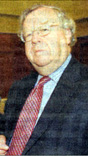
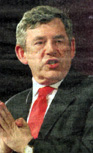
But after outlining the inquiry findings at Stormont yesterday morning, committee chairman Sir Patrick Cormack criticised Gordon Brown for only letting them see a heavily edited version of the Government's own report on the controversial claims carried out by Intelligence Services Commissioner Sir Peter Gibson.
Michael Gallagher, whose 21-year-old son Aiden was one of the 29 people killed in the Real IRA attack, said this was not acceptable and reiterated the bereaved families' long-standing demand for a full public inquiry into the bombing.
"This (the committee) is the watchdog on government in Northern Ireland and here they are saying there are a number of very serious deficiencies, that the Government is refusing to cooperate, the Prime Minister did not allow Sir Patrick to see the Gibson report in private, even in the House of Commons," he said.
"I think the honest average man in the street will always say there must be a reason, other than the reason that it could give an advantage to terrorists.
"Sir Patrick wasn't going to give any advantage to a terrorist so there's not much left for families to believe other than that the Government have something there that's going to embarrass them and they don't want to disclose that to the families."
Downing Street defended the decision not to release Sir Peter's report to the committee, highlighting that the chairman of the UK Intelligence and Security Committee, Kim Howells, had seen it.
"Obviously, when national security is involved, there can only be a limited number of people with who that can be shared," said a spokesman for Mr Brown.
No one has ever been successfully convicted of the Omagh bomb, with the only man jailed in connection with the attack, 57-year-old Co Louth builder Colm Murphy, cleared last month after a retrial in Dublin.
However, last year four men, including Murphy, were found liable for the bombing in a landmark civil case taken by the victims' families.
While the affairs committee stopped short of calling for a public inquiry, Mr Gallagher said the truth of what happened on August 15, 1998 could only be found through such a judicial hearing.
"I think it is important that we only have one further inquiry and that should be an overarching inquiry that looks at what happened on both sides of the border and moves it forward," he said.
Godfrey Wilson, whose 15-year-old daughter Lorraine was killed, echoed his call.
"We're looking for a cross-border public inquiry, a full judicial public inquiry," he said.
"There's too many questions on both sides of the border - before, during and after the tragedy -that haven't been answered.
"I feel it would help my life to know how the things progressed."
The committee undertook its inquiry into the security services' role following claims in a BBC documentary that the Government's listening station GCHQ had monitored suspects' mobile phone calls as they drove to Omagh from the Republic on the day of the atrocity.
Panorama said this information was never passed to RUC detectives assigned to the case.
The subsequent review by Sir Peter Gibson rejected many of Panorama's assertions.
However, only an edited version of the commissioner's report has ever been made public.
Committee chairman Sir Patrick said he accepted Sir Peter's assurance there was nothing in the full version that contradicted the abridged format, but said the Government's decision to deny him access would not assure public confidence.
After reviewing the edited summary of the Gibson repprt, committee members agreed with the commissioner's claim that information obtained by GCHQ was not monitored in "real time" and therefore could not have prevented the bombing.
But it raised concerns about the data flow after the attack, especially whether names of the suspected bombers were known and, if so, why they were not passed to police officers.
In particular the inquiry said there was a need to establish the part played by RUC Special Branch - the police's anti-terrorism unit - and whether it was handed data by GCHQ but failed to pass it on to RUC colleagues in the Crime Investigation Department who were working on the case.
BY DAVID YOUNG
newsdesk@newsletter.co.uk
FAMILIES of Omagh bomb victims hit out at the Government yesterday for censoring an official probe that examined whether vital intelligence was withheld from detectives hunting the Omagh bombers.
The relatives demanded to know what the State was trying to hide after a parliamentary committee that conducted its own inquiry into the bombing revealed that the Prime Minister had denied them access to the review of the security services' role.
The Northern Ireland Affairs Committee has called for a fresh investigation into the part played by intelligence agents in the yet unsolved dissident republican attack 12 years ago and if crucial data that could have led to arrests was kept from police officers.
But after outlining the inquiry findings at Stormont yesterday morning, committee chairman Sir Patrick Cormack criticised Gordon Brown for only letting them see a heavily edited version of the Government's own report on the controversial claims carried out by Intelligence Services Commissioner Sir Peter Gibson.
Michael Gallagher, whose 21-year-old son Aiden was one of the 29 people killed in the Real IRA attack, said this was not acceptable and reiterated the bereaved families' long-standing demand for a full public inquiry into the bombing.
"This (the committee) is the watchdog on government in Northern Ireland and here they are saying there are a number of very serious deficiencies, that the Government is refusing to cooperate, the Prime Minister did not allow Sir Patrick to see the Gibson report in private, even in the House of Commons," he said.
"I think the honest average man in the street will always say there must be a reason, other than the reason that it could give an advantage to terrorists.
"Sir Patrick wasn't going to give any advantage to a terrorist so there's not much left for families to believe other than that the Government have something there that's going to embarrass them and they don't want to disclose that to the families."
Downing Street defended the decision not to release Sir Peter's report to the committee, highlighting that the chairman of the UK Intelligence and Security Committee, Kim Howells, had seen it.
"Obviously, when national security is involved, there can only be a limited number of people with who that can be shared," said a spokesman for Mr Brown.
No one has ever been successfully convicted of the Omagh bomb, with the only man jailed in connection with the attack, 57-year-old Co Louth builder Colm Murphy, cleared last month after a retrial in Dublin.
However, last year four men, including Murphy, were found liable for the bombing in a landmark civil case taken by the victims' families.
While the affairs committee stopped short of calling for a public inquiry, Mr Gallagher said the truth of what happened on August 15, 1998 could only be found through such a judicial hearing.
"I think it is important that we only have one further inquiry and that should be an overarching inquiry that looks at what happened on both sides of the border and moves it forward," he said.
Godfrey Wilson, whose 15-year-old daughter Lorraine was killed, echoed his call.
"We're looking for a cross-border public inquiry, a full judicial public inquiry," he said.
"There's too many questions on both sides of the border - before, during and after the tragedy -that haven't been answered.
"I feel it would help my life to know how the things progressed."
The committee undertook its inquiry into the security services' role following claims in a BBC documentary that the Government's listening station GCHQ had monitored suspects' mobile phone calls as they drove to Omagh from the Republic on the day of the atrocity.
Panorama said this information was never passed to RUC detectives assigned to the case.
The subsequent review by Sir Peter Gibson rejected many of Panorama's assertions.
However, only an edited version of the commissioner's report has ever been made public.
Committee chairman Sir Patrick said he accepted Sir Peter's assurance there was nothing in the full version that contradicted the abridged format, but said the Government's decision to deny him access would not assure public confidence.
After reviewing the edited summary of the Gibson repprt, committee members agreed with the commissioner's claim that information obtained by GCHQ was not monitored in "real time" and therefore could not have prevented the bombing.
But it raised concerns about the data flow after the attack, especially whether names of the suspected bombers were known and, if so, why they were not passed to police officers.
In particular the inquiry said there was a need to establish the part played by RUC Special Branch - the police's anti-terrorism unit - and whether it was handed data by GCHQ but failed to pass it on to RUC colleagues in the Crime Investigation Department who were working on the case.
Further Information
Publisher: NEWS LETTER
Ref: NL/808
Published Date: 17-Mar-10
Related Images