OMAGH RELATIVES VOW TO ENFORCE JUDGEMENT
Omagh relatives vow to enforce judgment
BY ALAN ERWIN and PA
newsdesk@newsletter.co.uk
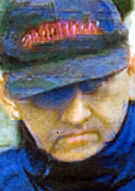
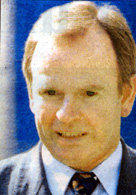
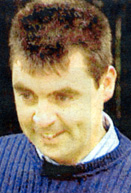
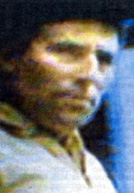
RELATIVES of Omagh bomb victims will relentlessly go after all available assets held by four men found liable for the dissident republican atrocity, they vowed last night.
Any property, land or cash belonging to Michael McKevitt, Liam Campbell, Colm Murphy and Seamus Daly could be seized in a bid .to enforce an unprecedented victory for some of the bereaved.
In a landmark ruling at the High Court in Belfast, combined damages of more than �1.6 million were awarded to 12 relatives who brought a lawsuit over the blast which killed 29 people, including the mother of unborn twins, and injured hundreds more.
Mr Justice Morgan also declared that members of the Real IRA's Army Council at the time of the bombing in August 1998 bear responsibility for directing the attack as part of a terror campaign.
The case against a fifth man, Seamus McKenna, was dismissed.
The Real IRA was also found liable for the attack in yesterday's ruling.
After more than a decade it was a major breakthrough for those who demanded justice.
The relatives launched the action at the High Court in Belfast after the failure of the police to secure a criminal conviction over the 1998 Real IRA bombing in the Tyrone town. They sued five men and the Real IRA as an organisation for up to �14 million in a case which made legal history when it sat to hear evidence in both Belfast and Dublin.
The case opened in April last year and completed hearing evidence in March.
Mr Justice Morgan - set to be Northern Ireland's next Lord Chief Justice - took three months to sift through the evidence and produce his judgment that the case was proved against the four men, none of whom attended the hearings.
McKevitt is a founding member of the Real IRA who is in prison in the Republic. He is to appeal yesterday's court ruling.
Co Louth farmer Campbell is in custody in Northern Ireland facing a bid to extradite him. to Lithuania to face arms smuggling charges.
Murphy, also from Louth, was found guilty in Dublin's Special Criminal Court of. conspiring to cause the Omagh bomb but his conviction was later quashed.
A fifth man accused by the relatives, Seamus McKenna, was cleared yesterday.
The only man to face criminal charges over the Omagh killings, Sean Hoey, 38, from Jonesborough, south Armagh, was acquitted in December 2007.
Although doubts have been cast over all of the defendants' finances, the father of one of those killed at Omagh insisted every attempt must be made to make them pay out.
Michael Gallagher, who lost his son Aiden in the explosion, said: "We feel we have to pursue these people for the damages awarded to us because that's the only way we can punish them.
"To walk out of court and say that was a victory without enforcing the judgment would be a very hollow victory.
"We have got to pursue these people by every possible means. If they have any property, if they have any disposable assets, we have got to go after it."
All of the relatives involved in the case were awarded aggravated damages. In one case, more than �330,000 was awarded.
Mr Gallagher added that the outcome to their compensation claim had been better than expected, and sent out a message to terrorists all over the world.
With no one convicted for the bombing, the families turned instead to a civil action where the burden of proof is lower than in the criminal courts.
Their move was inspired in part by a successful lawsuit in the US which found OJ Simpson responsible for the 1994 killings of his ex-wife Nicole Brown Simpson and her friend Ronald Goldman.
During a judgment which took an hour and 40 minutes to summarise, Mr Justice Morgan found that McKevitt - currently serving a 20-year prison sentence for directing terrorism - was at the top end of the Real IRA.
He said: "In his leadership role he was undoubtedly responsible for encouraging the campaign of bombing in 1998 which culminated in the Omagh bomb and the availability of the materials to prepare the bomb could only have occurred with his support and approval."
The judge added: "I consider that the failure of the third named defendant (McKevitt) to give evidence in answer to this case against him is inexplicable and makes the case against him overwhelming."
Last night, however, it emerged that Mr McKevitt is to appeal yesterday's ruling. His solicitor, Kevin Winters said, he would fight to expose the "flawed allegations" against him.
According to Mr Justice Morgan there was "cogent evidence" that Campbell, a Co Louth-based farmer currently being held in Northern Ireland while the Lithuanian authorities seek to have him extradited over an alleged arms smuggling plot, was a member of the Real IRA's army council at the time of the Omagh bomb.
Campbell was the only one of the defendants without legal representation at the trial having instructed his solicitors to come off record.
"It is inexplicable that he should not have answered this case if he had answer to it," the judge stated.
Turning to Murphy, a builder and publican from Dundalk, Co Louth, Mr Justice Morgan said the only reasonable inference based on the evidence was that he supplied the phones used by the bombers knowing full well the nature of the attack to be carried out.
"I am satisfied that the fifth named defendant was at the time an active member of the Continuity IRA and that this was a joint operation between that organisation and the Real IRA," he said.
Daly, a builder from Culaville, Co Monaghan, was also held liable based on evidence linking him to the phone used in the bomb run.
Only McKenna, a labourer from Co Armagh, was found not to be liable for the outrage.
The case against him depended on claims that he phoned his ex-wife less than an hour after the blast, thus establishing his connection with the bombers.
But with McKenna's former partner regarded as an unreliable witness the judge ruled that the case against him should be dismissed.
Mr Justice Morgan made clear that it was not open to him to make an award for the most punitive, exemplary damages which would have cleared the way for multi-million pound compensation.
However, he stressed: "It is clear to me from the reports that I have read and the evidence of those plaintiffs who appeared in court that the senseless and indiscriminate nature of this appalling outrage has deeply affected each of them.
"It is unsurprising that the plaintiffs should be of the view that it was the specific intention of those who caused the detonation of this bomb that there should be massive death and injury.
"Although not satisfied that there was any such specific intention I recognise that the likelihood of injury or death occurring was plain in circumstances where a fully loaded car bomb was placed in the centre of a busy market town on a Saturday afternoon."
Because the four men who the damages were awarded against all live in the Republic, those named by the judge as recipients will have to go to the High Court in Dublin should they wish to enforce the judgment.
Under the legal principle of Comity, the general rule is that courts in one jurisdiction will enforce a judgment made in another, said a legal expert.
Given that the Irish authorities cooperated in the court action - the case actually sat in Dublin to hear some of the evidence - it could be assumed there would be no trouble in enforcing the judgment.
Seizure orders on property such as homes - one of the men is a farmer - could be made to ensure the money was paid.
Meanwhile the families revealed they were to go to the Appeal Court to try to overturn Mr Justice Morgan's ruling that it was not appropriate for him to order the payment of exemplary damages.
If that is successful they could have an order of many millions in damages made against the Real IRA and the four found responsible for the bombing.
BY ALAN ERWIN and PA
newsdesk@newsletter.co.uk
RELATIVES of Omagh bomb victims will relentlessly go after all available assets held by four men found liable for the dissident republican atrocity, they vowed last night.
Any property, land or cash belonging to Michael McKevitt, Liam Campbell, Colm Murphy and Seamus Daly could be seized in a bid .to enforce an unprecedented victory for some of the bereaved.
In a landmark ruling at the High Court in Belfast, combined damages of more than �1.6 million were awarded to 12 relatives who brought a lawsuit over the blast which killed 29 people, including the mother of unborn twins, and injured hundreds more.
Mr Justice Morgan also declared that members of the Real IRA's Army Council at the time of the bombing in August 1998 bear responsibility for directing the attack as part of a terror campaign.
The case against a fifth man, Seamus McKenna, was dismissed.
The Real IRA was also found liable for the attack in yesterday's ruling.
After more than a decade it was a major breakthrough for those who demanded justice.
The relatives launched the action at the High Court in Belfast after the failure of the police to secure a criminal conviction over the 1998 Real IRA bombing in the Tyrone town. They sued five men and the Real IRA as an organisation for up to �14 million in a case which made legal history when it sat to hear evidence in both Belfast and Dublin.
The case opened in April last year and completed hearing evidence in March.
Mr Justice Morgan - set to be Northern Ireland's next Lord Chief Justice - took three months to sift through the evidence and produce his judgment that the case was proved against the four men, none of whom attended the hearings.
McKevitt is a founding member of the Real IRA who is in prison in the Republic. He is to appeal yesterday's court ruling.
Co Louth farmer Campbell is in custody in Northern Ireland facing a bid to extradite him. to Lithuania to face arms smuggling charges.
Murphy, also from Louth, was found guilty in Dublin's Special Criminal Court of. conspiring to cause the Omagh bomb but his conviction was later quashed.
A fifth man accused by the relatives, Seamus McKenna, was cleared yesterday.
The only man to face criminal charges over the Omagh killings, Sean Hoey, 38, from Jonesborough, south Armagh, was acquitted in December 2007.
Although doubts have been cast over all of the defendants' finances, the father of one of those killed at Omagh insisted every attempt must be made to make them pay out.
Michael Gallagher, who lost his son Aiden in the explosion, said: "We feel we have to pursue these people for the damages awarded to us because that's the only way we can punish them.
"To walk out of court and say that was a victory without enforcing the judgment would be a very hollow victory.
"We have got to pursue these people by every possible means. If they have any property, if they have any disposable assets, we have got to go after it."
All of the relatives involved in the case were awarded aggravated damages. In one case, more than �330,000 was awarded.
Mr Gallagher added that the outcome to their compensation claim had been better than expected, and sent out a message to terrorists all over the world.
With no one convicted for the bombing, the families turned instead to a civil action where the burden of proof is lower than in the criminal courts.
Their move was inspired in part by a successful lawsuit in the US which found OJ Simpson responsible for the 1994 killings of his ex-wife Nicole Brown Simpson and her friend Ronald Goldman.
During a judgment which took an hour and 40 minutes to summarise, Mr Justice Morgan found that McKevitt - currently serving a 20-year prison sentence for directing terrorism - was at the top end of the Real IRA.
He said: "In his leadership role he was undoubtedly responsible for encouraging the campaign of bombing in 1998 which culminated in the Omagh bomb and the availability of the materials to prepare the bomb could only have occurred with his support and approval."
The judge added: "I consider that the failure of the third named defendant (McKevitt) to give evidence in answer to this case against him is inexplicable and makes the case against him overwhelming."
Last night, however, it emerged that Mr McKevitt is to appeal yesterday's ruling. His solicitor, Kevin Winters said, he would fight to expose the "flawed allegations" against him.
According to Mr Justice Morgan there was "cogent evidence" that Campbell, a Co Louth-based farmer currently being held in Northern Ireland while the Lithuanian authorities seek to have him extradited over an alleged arms smuggling plot, was a member of the Real IRA's army council at the time of the Omagh bomb.
Campbell was the only one of the defendants without legal representation at the trial having instructed his solicitors to come off record.
"It is inexplicable that he should not have answered this case if he had answer to it," the judge stated.
Turning to Murphy, a builder and publican from Dundalk, Co Louth, Mr Justice Morgan said the only reasonable inference based on the evidence was that he supplied the phones used by the bombers knowing full well the nature of the attack to be carried out.
"I am satisfied that the fifth named defendant was at the time an active member of the Continuity IRA and that this was a joint operation between that organisation and the Real IRA," he said.
Daly, a builder from Culaville, Co Monaghan, was also held liable based on evidence linking him to the phone used in the bomb run.
Only McKenna, a labourer from Co Armagh, was found not to be liable for the outrage.
The case against him depended on claims that he phoned his ex-wife less than an hour after the blast, thus establishing his connection with the bombers.
But with McKenna's former partner regarded as an unreliable witness the judge ruled that the case against him should be dismissed.
Mr Justice Morgan made clear that it was not open to him to make an award for the most punitive, exemplary damages which would have cleared the way for multi-million pound compensation.
However, he stressed: "It is clear to me from the reports that I have read and the evidence of those plaintiffs who appeared in court that the senseless and indiscriminate nature of this appalling outrage has deeply affected each of them.
"It is unsurprising that the plaintiffs should be of the view that it was the specific intention of those who caused the detonation of this bomb that there should be massive death and injury.
"Although not satisfied that there was any such specific intention I recognise that the likelihood of injury or death occurring was plain in circumstances where a fully loaded car bomb was placed in the centre of a busy market town on a Saturday afternoon."
Because the four men who the damages were awarded against all live in the Republic, those named by the judge as recipients will have to go to the High Court in Dublin should they wish to enforce the judgment.
Under the legal principle of Comity, the general rule is that courts in one jurisdiction will enforce a judgment made in another, said a legal expert.
Given that the Irish authorities cooperated in the court action - the case actually sat in Dublin to hear some of the evidence - it could be assumed there would be no trouble in enforcing the judgment.
Seizure orders on property such as homes - one of the men is a farmer - could be made to ensure the money was paid.
Meanwhile the families revealed they were to go to the Appeal Court to try to overturn Mr Justice Morgan's ruling that it was not appropriate for him to order the payment of exemplary damages.
If that is successful they could have an order of many millions in damages made against the Real IRA and the four found responsible for the bombing.
Further Information
Publisher: NEWS LETTER
Ref: NL/797
Published Date: 09-Jun-09
Related Images