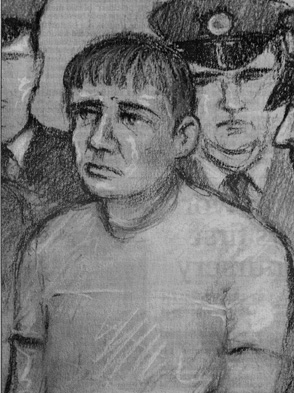
OMAGH ACCUSED'S TRIAL DECISION DAY
Omagh accused's trial decision day
A MAN accused of the Omagh bomb murders will know today if he has to stand trial for the worst atrocity of the Troubles.
Sean Hoey, a 36-year-old electrician, from Molly Road, Jonesborough, south Armagh, has denied murdering the 29 people who died in Omagh in 1998.
He has also denied a string of other explosives charges, as well as membership of the Real IRA which carried out the Omagh bombing.
At the end of a three-day preliminary hearing in Belfast yesterday, Magistrate Desmond Perry said he would rule today whether or not to send Hoey for trial.
The accused's relatives were in court and so, too, was Michael Gallagher, whose son Aidan was killed in the blast.
Summing up the prosecution case, Gordon Kerr, QC, said the totality of the evidence against Hoey was sufficient to send him for trial.
He submitted that the evidence of forensic experts strongly supported the proposition that a series of bombings in 1998 were connected to each other and were connected to Hoey.
Mr Kerr said all the bombs were of similar construction and the power units were from the same batch manufactured in France and bought by a firm in Dundalk.
He said Hoey's DNA had been found on three bombs and together with fibre evidence identified him as the man who made the timer power units.
Mr Kerr said the DNA on a bomb found at Altmore Forest, Co Tyrone, in 2001, was of great significance as the possibility of it being anyone other than Hoey was 680 million to one.
"That provides strong and cogent evidence that he was directly involved in the construction of these devices and strengthens the totality of the case against him," said Mr Kerr.
Defence lawyer Martin O'Rourke submitted that Hoey could not be convicted on the forensic expert's opinion that all the bombs had been made by the same person.
He accused the prosecution of scraping the bottom of the barrel by suggesting that Hoey was linked to an explosion in Banbridge, Co Down, because a warning call was made from a phone box near the home of his brother-in-law.
Mr O'Rourke said the crux of the case in relation to the Banbridge bomb was the view of a voice analyst that it was "more likely than not" that Hoey made the call.
"That is insufficient and does not create a case on which he should be sent for trial," said Mr O'Rourke. "The evidence blatantly falls short of the accepted standard."
The lawyer conceded that Hoey had a case to answer in relation to bombs at Altmore Forest, Lisburn,and Armagh on which his DNA was alleged to have been found.
But, he said, the evidence relating to the other charges was of such a nature that Hoey was unlikely to be convicted, let alone that a trial would get past the end of the prosecution case.
If Hoey is sent for trial, the hearing will be before a judge sitting without a jury and is unlikely to take place until well into the new year.
A MAN accused of the Omagh bomb murders will know today if he has to stand trial for the worst atrocity of the Troubles.
Sean Hoey, a 36-year-old electrician, from Molly Road, Jonesborough, south Armagh, has denied murdering the 29 people who died in Omagh in 1998.
He has also denied a string of other explosives charges, as well as membership of the Real IRA which carried out the Omagh bombing.
At the end of a three-day preliminary hearing in Belfast yesterday, Magistrate Desmond Perry said he would rule today whether or not to send Hoey for trial.
The accused's relatives were in court and so, too, was Michael Gallagher, whose son Aidan was killed in the blast.
Summing up the prosecution case, Gordon Kerr, QC, said the totality of the evidence against Hoey was sufficient to send him for trial.
He submitted that the evidence of forensic experts strongly supported the proposition that a series of bombings in 1998 were connected to each other and were connected to Hoey.
Mr Kerr said all the bombs were of similar construction and the power units were from the same batch manufactured in France and bought by a firm in Dundalk.
He said Hoey's DNA had been found on three bombs and together with fibre evidence identified him as the man who made the timer power units.
Mr Kerr said the DNA on a bomb found at Altmore Forest, Co Tyrone, in 2001, was of great significance as the possibility of it being anyone other than Hoey was 680 million to one.
"That provides strong and cogent evidence that he was directly involved in the construction of these devices and strengthens the totality of the case against him," said Mr Kerr.
Defence lawyer Martin O'Rourke submitted that Hoey could not be convicted on the forensic expert's opinion that all the bombs had been made by the same person.
He accused the prosecution of scraping the bottom of the barrel by suggesting that Hoey was linked to an explosion in Banbridge, Co Down, because a warning call was made from a phone box near the home of his brother-in-law.
Mr O'Rourke said the crux of the case in relation to the Banbridge bomb was the view of a voice analyst that it was "more likely than not" that Hoey made the call.
"That is insufficient and does not create a case on which he should be sent for trial," said Mr O'Rourke. "The evidence blatantly falls short of the accepted standard."
The lawyer conceded that Hoey had a case to answer in relation to bombs at Altmore Forest, Lisburn,and Armagh on which his DNA was alleged to have been found.
But, he said, the evidence relating to the other charges was of such a nature that Hoey was unlikely to be convicted, let alone that a trial would get past the end of the prosecution case.
If Hoey is sent for trial, the hearing will be before a judge sitting without a jury and is unlikely to take place until well into the new year.
Further Information
Publisher: NEWS LETTER
Ref: NL/628
Published Date: 02-Sep-05
Related Images