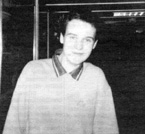
I CAN NEVER FORGET WHAT THEY DID TO MY ALAN
I can never forget what they did to my Alan'
As the 10th anniversary of the Omagh bomb approaches, David Young listens to the memories of some of those who lost the most on August 15, 1998
"THOSE are for the kids."
That was the last thing Alan Radford said to his sister Carol.
It was the evening before the Omagh bomb and the 16-year-old had just stopped by to drop off a couple of packets of sweets for his two young nieces.
It is a memory Carol cherishes.
"He had been down to the shop with his mum and he'd just popped in," she said.
"And the last memory I have of Alan is him coming and putting two packets of sweets on the hall table.
"He was lovely like that, I'm just so proud of him."
The next time Carol saw her brother was four days later when his remains were brought back to the family home, less than a mile from where the Real IRA bomb had taken his life.
"I remember when they opened the coffin," said Carol.
"I just thought that's not my brother, what have they done to him?
"There wasn't a part of Alan's body not touched.
"It wasn't until I went to the inquest I realised how much damage they'd done to him.
"My brother Alan was just a boy, just a boy and they just cut him down in the prime of his life."
Alan Radford had just finished his GCSEs at Omagh High School. His results arrived in the post days after he died. He'd achieved the grades he needed to pursue his dream of being a chef.
Omagh was and remains a mixed town and the bomb did not discriminate between faiths - Protestant and Catholic alike perished on Market Street. Alan was a Mormon.
As he did every Saturday, he had gone into town with his mother Marion to help her with the shopping.
She was in the Salad Bowl fruit and vegetable store on Market Street picking up some groceries when the bomb went off.
Alan had just left her to go and look at sports shoes in a shop nearby.
Marion was badly cut by flying glass in the explosion. Blood streaming down her face, she ran out into the street desperately trying to find her son, but he was nowhere to be seen.
She was finally persuaded to go to the hospital for treatment, assured the search for Alan would go on.
Back at home Carol and other family members maintained a grim vigil waiting for news.
"When mum came home that evening she was still covered in blood, her T-shirt was covered in blood," Carol said.
"But she reacted so strangely, I couldn't believe it, she started ironing, she was just in complete shock.
"My brother Paul went to the leisure centre with some family friends to wait for Alan.
"That night we phoned all the hospitals. I never realised how many hospitals existed in the north and I kept thinking to myself that maybe Alan is unconscious, that he can't tell them who he is, or maybe he's buried under the rubble and they haven't got to him yet.
"The hours went on and there were less and less people (missing), there was hardly anybody left, you were into the next day by this stage.
"Finally Paul went up to this policeman who he recognised and he said 'is there anyone that fits Alan's description?' and he said 'let me go and check'.
"And he came back a few minutes later and said 'do you want the truth Paul, there is someone who fits that description'.
"So Paul came back and broke the news to us and I can remember my mum was just screaming, absolutely screaming and I just couldn't move, I couldn't move.
"I couldn't get off the chair to comfort my mother and it was my wee niece, she'd have only been about seven at the time, she went over and hugged her granny so tight."
A decade on from that day Carol is still weighed down by grief. The anguish, she said, is only intensified by the fact Alan's killers have still not been caught.
"The anniversary will be hard," she said.
"You're just glad every year to get that day over and done with, but as I say you live with it everyday.
"The only thing is it's hard to believe it's 10 years because it doesn't seem like 10 years in my memory, it seems like yesterday.
"I would say the pain has magnified because before you had hope, hope that people would be convicted and now that just doesn't seem to have happened."
Carol has fought hard to get justice for her brother.
But that quest has not been supported by everyone in the town. The Radfords, who at the time of the bomb lived in a predominantly nationalist area, have been subjected to various forms of intimidation since the bomb.
"I came home one day and 'IRA' was drawn on the side of my house," said Carol.
"I mean that was like a knife through the heart when you know these people murdered your brother. I took the decision then to sell the house. The hurtful thing was not one of the neighbours came and said to me 'we don't agree with that'."
Like a number of those bereaved at Omagh, Carol Radford believes victims do not have a place in the new political landscape in Northern Ireland.
She is particularly critical of the suggestion that some form of truth and reconciliation process may help bring closure for families who lost loved ones.
"They say to us 'tell your stories', like all this story-telling that went on in South Africa. I don't want to tell my story - I want justice for my brother," she said.
But does she hold out any hope that Alan's killers would ever face justice?
"In the present climate I doubt it very much. It's just not happening because the will's not there.
"People want to sweep the past under the carpet and leave it there. But how are we supposed to live with the pain?
"But you just can't let it go, I can never forget what they did to my Alan."
As the 10th anniversary of the Omagh bomb approaches, David Young listens to the memories of some of those who lost the most on August 15, 1998
"THOSE are for the kids."
That was the last thing Alan Radford said to his sister Carol.
It was the evening before the Omagh bomb and the 16-year-old had just stopped by to drop off a couple of packets of sweets for his two young nieces.
It is a memory Carol cherishes.
"He had been down to the shop with his mum and he'd just popped in," she said.
"And the last memory I have of Alan is him coming and putting two packets of sweets on the hall table.
"He was lovely like that, I'm just so proud of him."
The next time Carol saw her brother was four days later when his remains were brought back to the family home, less than a mile from where the Real IRA bomb had taken his life.
"I remember when they opened the coffin," said Carol.
"I just thought that's not my brother, what have they done to him?
"There wasn't a part of Alan's body not touched.
"It wasn't until I went to the inquest I realised how much damage they'd done to him.
"My brother Alan was just a boy, just a boy and they just cut him down in the prime of his life."
Alan Radford had just finished his GCSEs at Omagh High School. His results arrived in the post days after he died. He'd achieved the grades he needed to pursue his dream of being a chef.
Omagh was and remains a mixed town and the bomb did not discriminate between faiths - Protestant and Catholic alike perished on Market Street. Alan was a Mormon.
As he did every Saturday, he had gone into town with his mother Marion to help her with the shopping.
She was in the Salad Bowl fruit and vegetable store on Market Street picking up some groceries when the bomb went off.
Alan had just left her to go and look at sports shoes in a shop nearby.
Marion was badly cut by flying glass in the explosion. Blood streaming down her face, she ran out into the street desperately trying to find her son, but he was nowhere to be seen.
She was finally persuaded to go to the hospital for treatment, assured the search for Alan would go on.
Back at home Carol and other family members maintained a grim vigil waiting for news.
"When mum came home that evening she was still covered in blood, her T-shirt was covered in blood," Carol said.
"But she reacted so strangely, I couldn't believe it, she started ironing, she was just in complete shock.
"My brother Paul went to the leisure centre with some family friends to wait for Alan.
"That night we phoned all the hospitals. I never realised how many hospitals existed in the north and I kept thinking to myself that maybe Alan is unconscious, that he can't tell them who he is, or maybe he's buried under the rubble and they haven't got to him yet.
"The hours went on and there were less and less people (missing), there was hardly anybody left, you were into the next day by this stage.
"Finally Paul went up to this policeman who he recognised and he said 'is there anyone that fits Alan's description?' and he said 'let me go and check'.
"And he came back a few minutes later and said 'do you want the truth Paul, there is someone who fits that description'.
"So Paul came back and broke the news to us and I can remember my mum was just screaming, absolutely screaming and I just couldn't move, I couldn't move.
"I couldn't get off the chair to comfort my mother and it was my wee niece, she'd have only been about seven at the time, she went over and hugged her granny so tight."
A decade on from that day Carol is still weighed down by grief. The anguish, she said, is only intensified by the fact Alan's killers have still not been caught.
"The anniversary will be hard," she said.
"You're just glad every year to get that day over and done with, but as I say you live with it everyday.
"The only thing is it's hard to believe it's 10 years because it doesn't seem like 10 years in my memory, it seems like yesterday.
"I would say the pain has magnified because before you had hope, hope that people would be convicted and now that just doesn't seem to have happened."
Carol has fought hard to get justice for her brother.
But that quest has not been supported by everyone in the town. The Radfords, who at the time of the bomb lived in a predominantly nationalist area, have been subjected to various forms of intimidation since the bomb.
"I came home one day and 'IRA' was drawn on the side of my house," said Carol.
"I mean that was like a knife through the heart when you know these people murdered your brother. I took the decision then to sell the house. The hurtful thing was not one of the neighbours came and said to me 'we don't agree with that'."
Like a number of those bereaved at Omagh, Carol Radford believes victims do not have a place in the new political landscape in Northern Ireland.
She is particularly critical of the suggestion that some form of truth and reconciliation process may help bring closure for families who lost loved ones.
"They say to us 'tell your stories', like all this story-telling that went on in South Africa. I don't want to tell my story - I want justice for my brother," she said.
But does she hold out any hope that Alan's killers would ever face justice?
"In the present climate I doubt it very much. It's just not happening because the will's not there.
"People want to sweep the past under the carpet and leave it there. But how are we supposed to live with the pain?
"But you just can't let it go, I can never forget what they did to my Alan."
Further Information
Publisher: NEWS LETTER
Ref: NL10An/06
Published Date: 12-Aug-08
Related Images