RE-OPENING OF SACRED HEART CHURCH OMAGH
SUNDAY, 30TH AUGUST, 3 P.M.: RE-OPENING OF SACRED HEART CHURCH, OMAGH
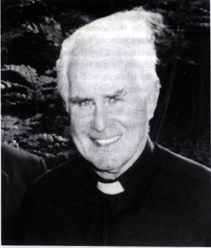
Homily by Paul Andrews, SJ.
The invitation from Fr. Keaveney to preach at this re-opening amazed and moved me: it offered a privilege beyond words. Though all my roots are in these streets, life has kept me at some distance from my roots. I could not have reckoned on what was to happen as the rebuilding of the church neared completion. Omagh was on the front of every paper. The Lord suddenly called you into the world's view. That Saturday afternoon's broadcast was for me the most moving viewing of the year. As I watched and listened and telephoned, I felt proud to have come from such a community, people of one piece, able to feel in depth and give voice to anguish, compassion and love. You rose to the occasion as you spoke to the world. The young, the middle-aged, the elderly, all found their own voices: the wee boy wanting to keep in touch with football from his hospital bed, the whole town breathless as they listened to the song Broken Things, the middle-aged man who had lost his soul-mate, the father who remembered with tears his last glimpse of his son, a young man in his prime, the girl who lost her speech after the bomb - her experience was literally unspeakable.
Journalists spoke of both sides of the community. Watching the people who were hit, I was never conscious of two sides, but of a single community. The phrase was used: the people were reclaiming Omagh as their own. In a way I had never sensed before, I felt that the community was one, and the town was theirs, not just the streets and shops, but the hospitals, the courthouse, the churches, all the clergy, the police station, the fire services. They were all there without questions or distinctions at the service of all the needy, the dead, the broken. This is our place. We are the people and wisdom will die with us.
It was not always like this. I had always heard that the Catholic church on the top of the hill, its steeples visible from miles away, was built to overshadow the Church of Ireland in James Street. Survival, asserting yourself, even triumphalism, was part of our ethos. We were proclaiming our right to exist, hold our heads high. Us and them was part of the air we breathed. It was institutionalised. We had our own schools, halls, tennis club. When we bought our ration of butter or meat, we looked for a Catholic grocer or butcher. One of the exceptions was the pub in which I was born, whose customers came from both sides, almost equally divided; and that building paid the price. It was blown to bits once, and after rebuilding was badly damaged on three further occasions, including the day of the bomb.
The Lord writes our history. As I grew up, the chasm between the two sides seemed unbridgeable, a force of nature. Watching and visiting from beyond the border, I saw little enough sign of change until this last year, when good people from all quarters, in the North and in London and Dublin, stuck firmly at the task of making peace. When it was sealed, both sides were happy to call it the Good Friday Agreement. There was a Christianity that transcended the divisions.
But a new step was taken on 15th August. St Paul's words (Eph. 2, 13ff) were terribly apt:
Christ in his body broke down the barriers between us. But now in Christ Jesus, you that used to be so far apart from us have been brought very close, by the blood of Christ. For he is the peace between us, and has made the two into one and broken down the barrier which used to keep you apart, actually destroying the hostility in his own person.
In a heartbreaking way, it was not just the blood of Christ but the blood of the twenty-eight dead and hundreds injured, and the anguish of the bereaved, that brought the community together.
Men make divisions, Christ unites. The true history of the church is not in the institutions or doctrines, in the councils and reformations and sects. The true history of the church is the believers who pray to God our Father through the mediation of Christ his son. The thousands who prayed in the sun on the courthouse brae and all the other streets yesterday week - they formed a crucial movement in the history of the church. Where two or three or thousands are gathered in God's name, he is there.
So this splendid church is not a sign of holding our own against other Christians. What you have come to this afternoon is Mount Zion and the city of the living God, the whole church in which everyone is a first-born child, and a citizen of heaven. The people of God are the church, but we have always sought to use every art to create a worthy house of God, where we can step outside our daily cares and lift our mind and heart to Him.
Since February, and long before it, the planners and the craftsmen have done their work well. The heating, the lighting, the sound have been renewed. The church is more open to the outside, with an extra entrance. Inside, the sanctuary is more open to the people of God, with the removal of some altar rails. This shining temple, soon to begin its second century, is a place for gathering people together in a foretaste of paradise. After six months, you are reclaiming your church, as you have reclaimed your town.
One feature has not changed. In front of the altar, Hogan's Pieta still reminds us of the price that the whole town has paid. Mary, the mother of all the bereaved, leans over her dead son as she leans over all the bereaved of Omagh. Like her, you have come - are coming - through your sorrowful mysteries. May the graces and growth of these terrible weeks remain as a blessing for all our community.
Homily by Paul Andrews, SJ.
The invitation from Fr. Keaveney to preach at this re-opening amazed and moved me: it offered a privilege beyond words. Though all my roots are in these streets, life has kept me at some distance from my roots. I could not have reckoned on what was to happen as the rebuilding of the church neared completion. Omagh was on the front of every paper. The Lord suddenly called you into the world's view. That Saturday afternoon's broadcast was for me the most moving viewing of the year. As I watched and listened and telephoned, I felt proud to have come from such a community, people of one piece, able to feel in depth and give voice to anguish, compassion and love. You rose to the occasion as you spoke to the world. The young, the middle-aged, the elderly, all found their own voices: the wee boy wanting to keep in touch with football from his hospital bed, the whole town breathless as they listened to the song Broken Things, the middle-aged man who had lost his soul-mate, the father who remembered with tears his last glimpse of his son, a young man in his prime, the girl who lost her speech after the bomb - her experience was literally unspeakable.
Journalists spoke of both sides of the community. Watching the people who were hit, I was never conscious of two sides, but of a single community. The phrase was used: the people were reclaiming Omagh as their own. In a way I had never sensed before, I felt that the community was one, and the town was theirs, not just the streets and shops, but the hospitals, the courthouse, the churches, all the clergy, the police station, the fire services. They were all there without questions or distinctions at the service of all the needy, the dead, the broken. This is our place. We are the people and wisdom will die with us.
It was not always like this. I had always heard that the Catholic church on the top of the hill, its steeples visible from miles away, was built to overshadow the Church of Ireland in James Street. Survival, asserting yourself, even triumphalism, was part of our ethos. We were proclaiming our right to exist, hold our heads high. Us and them was part of the air we breathed. It was institutionalised. We had our own schools, halls, tennis club. When we bought our ration of butter or meat, we looked for a Catholic grocer or butcher. One of the exceptions was the pub in which I was born, whose customers came from both sides, almost equally divided; and that building paid the price. It was blown to bits once, and after rebuilding was badly damaged on three further occasions, including the day of the bomb.
The Lord writes our history. As I grew up, the chasm between the two sides seemed unbridgeable, a force of nature. Watching and visiting from beyond the border, I saw little enough sign of change until this last year, when good people from all quarters, in the North and in London and Dublin, stuck firmly at the task of making peace. When it was sealed, both sides were happy to call it the Good Friday Agreement. There was a Christianity that transcended the divisions.
But a new step was taken on 15th August. St Paul's words (Eph. 2, 13ff) were terribly apt:
Christ in his body broke down the barriers between us. But now in Christ Jesus, you that used to be so far apart from us have been brought very close, by the blood of Christ. For he is the peace between us, and has made the two into one and broken down the barrier which used to keep you apart, actually destroying the hostility in his own person.
In a heartbreaking way, it was not just the blood of Christ but the blood of the twenty-eight dead and hundreds injured, and the anguish of the bereaved, that brought the community together.
Men make divisions, Christ unites. The true history of the church is not in the institutions or doctrines, in the councils and reformations and sects. The true history of the church is the believers who pray to God our Father through the mediation of Christ his son. The thousands who prayed in the sun on the courthouse brae and all the other streets yesterday week - they formed a crucial movement in the history of the church. Where two or three or thousands are gathered in God's name, he is there.
So this splendid church is not a sign of holding our own against other Christians. What you have come to this afternoon is Mount Zion and the city of the living God, the whole church in which everyone is a first-born child, and a citizen of heaven. The people of God are the church, but we have always sought to use every art to create a worthy house of God, where we can step outside our daily cares and lift our mind and heart to Him.
Since February, and long before it, the planners and the craftsmen have done their work well. The heating, the lighting, the sound have been renewed. The church is more open to the outside, with an extra entrance. Inside, the sanctuary is more open to the people of God, with the removal of some altar rails. This shining temple, soon to begin its second century, is a place for gathering people together in a foretaste of paradise. After six months, you are reclaiming your church, as you have reclaimed your town.
One feature has not changed. In front of the altar, Hogan's Pieta still reminds us of the price that the whole town has paid. Mary, the mother of all the bereaved, leans over her dead son as she leans over all the bereaved of Omagh. Like her, you have come - are coming - through your sorrowful mysteries. May the graces and growth of these terrible weeks remain as a blessing for all our community.
Further Information
Publisher: CAPPAGH
Ref: MAG/044
Published Date: 1998
Related Images