DECADE OF TRAUMA AFTER BOMBING
Decade of trauma after bombing
Anne Hailes
WE BANDY the word around but what does it mean? One dictionary definition of trauma reads "a bodily injury produced by violence; a startling experience which has a lasting effect on mental life; a shock".
So obviously there are degrees of trauma and tomorrow we remember one of our most traumatic episodes, the Omagh bombing.
Last night and tonight BBC documentaries look at the legacy, at some of the people caught in the atrocity and how their lives have changed.
One of the young people featured, Claire Gallagher, talks of what little she remembers on that day but her mother has different memories and has mixed emotions about reliving August 15 1998.
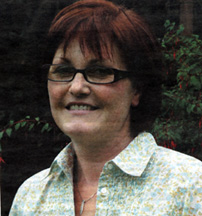
Marie Gallagher is a very positive woman who looks forward and like so many in the town has worked towards a good future for her children and their children. "We must acknowledge the past to make sure it will never happen again," she says.
The past 10 years have continued to be traumatic for many hundreds who have lost members of their family - adults, children and even unborn babies.
For those of us who haven't come anywhere close to experiencing such heartbreak, we can have no idea. The truth is never simple. Omagh and its people became 'celebrities' over one afternoon and lives spiralled out of control in the chaos that followed. Marie was a radiographer at the local hospital and she remembers commenting how quiet it was in the town, nothing much happening in the wards.
Claire - 15 years old at the time, the eldest of Marie's five children - was in town with her friends, a tall, bright-eyed teenager full of fun and enjoying a Saturday in August. Marie went home for a break. She started the ironing. She heard a bang and then her bleep went off. She looked at her watch. It was 3.10pm. It was a call to get back to the hospital urgently.
Close to the town centre she realised why - something serious had happened. "It was mayhem. I got to my department through the dead and injured, all the time frantic about Claire.
"I kept searching for a girl in a petrol-blue fleece amongst the dozens of people arriving on foot, by car and in ambulances.
"Then someone told me to get to casualty and there was my daughter, in a wheelchair with her head wrapped in pink army bandages."
Marie pauses as the scene plays out in dreadful detail.
"She didn't lose consciousness. She even told me to go and deal with other people who needed me."
Marie's husband Seamus arrived so Claire had both parents beside her as she was flown by helicopter to Belfast.
Soon the young woman was in theatre with five consultants assessing the damage and working on her wounds.
"I didn't see the wounds but I know a hole was blown in her face and the ophthalmologist Simon Rankin kept saying she had profound eye injuries -I think warning us of what was to come.
"For the next five days I lived in the hospital - sleeping beside Claire, always touching her, giving what comfort I could.
"I just wanted my Bible from home. That was my comfort."
Claire's right eye was removed and then her left eye.
This brave mother smiles as she tells me that today her daughter has two artificial eyes - blue, the colour Claire's husband Ryan chose for her before they married.
"I have very mixed emotions. We didn't share the experience of those terrible days after the bomb as we were in Belfast and, although Claire lost her sight, we still have her.
"She has come to terms with her situation. She's married.
"She works in the Royal as an eye clinic liaison officer, helping others learn to cope with blindness.
"She's won awards and she has a normal life cooking and cleaning, enjoying theatre and socialising.
"It hits me often how fortunate we are but that brings up survivor guilt.
"Looking back we were all swept along on a wave of publicity and now there are many things we wouldn't have agreed to if we'd been thinking straight."
Many people felt the same but the world's media were always around and the pressure was on.
Despite the trauma, some have been able to forgive, including Marie.
"I knew I had to forgive the people involved otherwise it would affect the whole family and we couldn't ever be at peace.
"I tried to find a distraction and I considered car maintenance for women and pottery but I found what I wanted in personal development and meditation at the Omagh Tara Centre.
"I do think each of us comes into the world for a reason. We're on a journey and only by facing challenges do we grow as people. You can learn a lesson from everything. Am I at peace now?"
She pauses and then looks me in the eye.
"Yes." She smiles. "For us the many cards and phone calls of sympathy and support have helped us but it's Claire herself who has made it easier by getting on with her life.
"She's beautiful, witty, happy and has no trace of bitterness."
Anne Hailes
WE BANDY the word around but what does it mean? One dictionary definition of trauma reads "a bodily injury produced by violence; a startling experience which has a lasting effect on mental life; a shock".
So obviously there are degrees of trauma and tomorrow we remember one of our most traumatic episodes, the Omagh bombing.
Last night and tonight BBC documentaries look at the legacy, at some of the people caught in the atrocity and how their lives have changed.
One of the young people featured, Claire Gallagher, talks of what little she remembers on that day but her mother has different memories and has mixed emotions about reliving August 15 1998.
Marie Gallagher is a very positive woman who looks forward and like so many in the town has worked towards a good future for her children and their children. "We must acknowledge the past to make sure it will never happen again," she says.
The past 10 years have continued to be traumatic for many hundreds who have lost members of their family - adults, children and even unborn babies.
For those of us who haven't come anywhere close to experiencing such heartbreak, we can have no idea. The truth is never simple. Omagh and its people became 'celebrities' over one afternoon and lives spiralled out of control in the chaos that followed. Marie was a radiographer at the local hospital and she remembers commenting how quiet it was in the town, nothing much happening in the wards.
Claire - 15 years old at the time, the eldest of Marie's five children - was in town with her friends, a tall, bright-eyed teenager full of fun and enjoying a Saturday in August. Marie went home for a break. She started the ironing. She heard a bang and then her bleep went off. She looked at her watch. It was 3.10pm. It was a call to get back to the hospital urgently.
Close to the town centre she realised why - something serious had happened. "It was mayhem. I got to my department through the dead and injured, all the time frantic about Claire.
"I kept searching for a girl in a petrol-blue fleece amongst the dozens of people arriving on foot, by car and in ambulances.
"Then someone told me to get to casualty and there was my daughter, in a wheelchair with her head wrapped in pink army bandages."
Marie pauses as the scene plays out in dreadful detail.
"She didn't lose consciousness. She even told me to go and deal with other people who needed me."
Marie's husband Seamus arrived so Claire had both parents beside her as she was flown by helicopter to Belfast.
Soon the young woman was in theatre with five consultants assessing the damage and working on her wounds.
"I didn't see the wounds but I know a hole was blown in her face and the ophthalmologist Simon Rankin kept saying she had profound eye injuries -I think warning us of what was to come.
"For the next five days I lived in the hospital - sleeping beside Claire, always touching her, giving what comfort I could.
"I just wanted my Bible from home. That was my comfort."
Claire's right eye was removed and then her left eye.
This brave mother smiles as she tells me that today her daughter has two artificial eyes - blue, the colour Claire's husband Ryan chose for her before they married.
"I have very mixed emotions. We didn't share the experience of those terrible days after the bomb as we were in Belfast and, although Claire lost her sight, we still have her.
"She has come to terms with her situation. She's married.
"She works in the Royal as an eye clinic liaison officer, helping others learn to cope with blindness.
"She's won awards and she has a normal life cooking and cleaning, enjoying theatre and socialising.
"It hits me often how fortunate we are but that brings up survivor guilt.
"Looking back we were all swept along on a wave of publicity and now there are many things we wouldn't have agreed to if we'd been thinking straight."
Many people felt the same but the world's media were always around and the pressure was on.
Despite the trauma, some have been able to forgive, including Marie.
"I knew I had to forgive the people involved otherwise it would affect the whole family and we couldn't ever be at peace.
"I tried to find a distraction and I considered car maintenance for women and pottery but I found what I wanted in personal development and meditation at the Omagh Tara Centre.
"I do think each of us comes into the world for a reason. We're on a journey and only by facing challenges do we grow as people. You can learn a lesson from everything. Am I at peace now?"
She pauses and then looks me in the eye.
"Yes." She smiles. "For us the many cards and phone calls of sympathy and support have helped us but it's Claire herself who has made it easier by getting on with her life.
"She's beautiful, witty, happy and has no trace of bitterness."
Further Information
Publisher: THE IRISH NEWS
Ref: IN10An/18
Published Date: 14-Aug-08
Related Images