NEW BOOK DESCRIBES FAMILY'S SUFFERING AFTER OMAGH BOMB
New book describes family's suffering after Omagh bomb
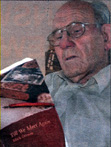
Mick Grimes (83) lost three generations of his family in the Omagh bombing. As the 10th anniversary of the atrocity approaches, he has written a book about his life and dedicated it to the victims' memory.
Diana Rusk reports
IT WAS Christmas-time in his farmhouse near the village of Beragh in Co Tyrone and Mick Grimes was enjoying opening numerous presents from his 11 children.
He came across a particularly special gift from his wife, Mary, and his youngest daughter, Avril.
They had gathered all the poems he had written in the parish newsletter and compiled them into a professionally bound booklet.
Both enjoyed his writing, but Mr Grimes would often dismiss his wife's suggestions that he publish a book.
Decades later, both women would be snatched away from him when they were among the victims of the bomb planted by Real IRA in Omagh on August 15 1998.
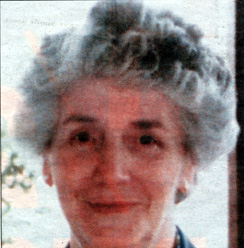
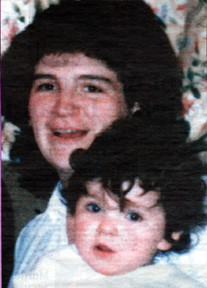
Three generations of the Grimes family were wiped out that day: Mary (65), her heavily pregnant daughter Avril Monaghan (30), and Avril's youngest daughter, 20-month-old Maura.
Avril had been expecting twins and the unborn children also died in the attack.
Indeed, women and children out shopping on that busy Saturday accounted for the majority of the 29 people killed in the bomb.
Ten years later, as other families choose their own ways to commemorate the anniversary of the bomb, Mr Grimes (83) has fulfilled his wife's wish and written a book about his life, dedicating it to all those lost in the atrocity.
The book details his early schooldays in the 'hungry Thirties' through to farming in rural Tyrone and life during the Second World War.
It explains how his future wife, Mary Aherne, caught his eye when he saw her at Mass when she was visiting the area from her home in Cork, and they married a year later.
In the final chapter, he explains in heartfelt but simple words his story of the Omagh bomb.
Entitled simply "August", it begins by explaining that August 15 had always been special to the family because it was the day of his wife's birthday. She had turned 65.
"At about one o'clock on Saturday we were just finished dinner when Avril arrived in the yard," he writes.
"She had her 20-month-old daughter Maura with her and they did not get out of the car.
"As my wife put on her coat, I inquired if she had money.
"She said she had a chequebook. I told her she might need some cash if they were having tea.
"She ran upstairs and then as she went out the door she said, 'We are away now, bye,' and they were gone."
The afternoon passed like any other and Mr Grimes explains how he was out caring for some chickens when a florist's van arrived with a bouquet he had ordered for the birthday celebrations.
"The driver told me he had heard that a bomb had exploded in Omagh but he did not hear of anyone being injured," the account goes on.
"A news bulletin shortly afterwards told a very different story and alarm bells were raised.
"For a while we clung to the hope that they had gone to some other town but as time passed that hope faded.
"No words could describe the feeling of helplessness that set in as we watched and waited for the car to return."
The book describes how the family desperately tried to find out what had happened and soon began ringing an information line given out on news bulletins.
Like many other families, Mr Grimes then went to Omagh Leisure Centre where an incident room had been set up.
The bodies of the three family members were not identified until the following day and the funerals were held days later.
"On Tuesday 18th of August Avril and her children were buried in a single grave after Requiem Mass in the ancient Forth Church near Augher.
"On Wednesday 19th following the celebration Mass in the New Church in Beragh, Mary's remains were laid to rest in the grounds where the old Chapel stood, just a few yards from the spot where we were married on the 1lth July 1956.
"Forty-three years before, on that same spot, I first saw Mary as she walked up the stairs of the old church."
He tells how his other daughter, Mary, who was nine months pregnant, had to get a private flight home from London for the funerals.
She gave birth two days after the bomb.
Reflecting on the book, Mr Grimes said it was extremely difficult to write the last chapter and he still finds it hard to talk about that day in August.
"I had to include it because it was a life story and that is part of it," he said.
"It wouldn't have been complete without it."
"Life beforehand was the same as anyone else's but I wanted to write my life down because I've read a lot of books about farming life in the thirties and during wartime but not many are written by someone who has lived through it.
"I don't know whether people will want to read it or not, but at least now it's recorded."
In the last decade, Mr Grimes has written poems calling for peace in Northern Ireland and about the deaths of his wife, daughter, granddaughter and unborn grandchildren in the Omagh bomb.
Asked for his thoughts on the Real IRA, he says he does not blame any single person for the attack.
"Nobody actually went out to shoot my family. It shouldn't have happened but to pick one person out is not something I can do.
"Who do you pick out to blame? A whole lot of people have played a part in it. That's how I look at it."
However, he is pleased with how the peace process has progressed over the last 10 years.
"People are still disagreeing but at least they are learning to live together," he says.
Mr Grimes had to learn how to use a computer in order to write the book but he managed to complete it in just a year and a half to coincide with what would have been his wife's 75th birthday.
He hopes she would have approved of his efforts.
"I think Mary would be delighted," he said.
Mick Grimes (83) lost three generations of his family in the Omagh bombing. As the 10th anniversary of the atrocity approaches, he has written a book about his life and dedicated it to the victims' memory.
Diana Rusk reports
IT WAS Christmas-time in his farmhouse near the village of Beragh in Co Tyrone and Mick Grimes was enjoying opening numerous presents from his 11 children.
He came across a particularly special gift from his wife, Mary, and his youngest daughter, Avril.
They had gathered all the poems he had written in the parish newsletter and compiled them into a professionally bound booklet.
Both enjoyed his writing, but Mr Grimes would often dismiss his wife's suggestions that he publish a book.
Decades later, both women would be snatched away from him when they were among the victims of the bomb planted by Real IRA in Omagh on August 15 1998.
Three generations of the Grimes family were wiped out that day: Mary (65), her heavily pregnant daughter Avril Monaghan (30), and Avril's youngest daughter, 20-month-old Maura.
Avril had been expecting twins and the unborn children also died in the attack.
Indeed, women and children out shopping on that busy Saturday accounted for the majority of the 29 people killed in the bomb.
Ten years later, as other families choose their own ways to commemorate the anniversary of the bomb, Mr Grimes (83) has fulfilled his wife's wish and written a book about his life, dedicating it to all those lost in the atrocity.
The book details his early schooldays in the 'hungry Thirties' through to farming in rural Tyrone and life during the Second World War.
It explains how his future wife, Mary Aherne, caught his eye when he saw her at Mass when she was visiting the area from her home in Cork, and they married a year later.
In the final chapter, he explains in heartfelt but simple words his story of the Omagh bomb.
Entitled simply "August", it begins by explaining that August 15 had always been special to the family because it was the day of his wife's birthday. She had turned 65.
"At about one o'clock on Saturday we were just finished dinner when Avril arrived in the yard," he writes.
"She had her 20-month-old daughter Maura with her and they did not get out of the car.
"As my wife put on her coat, I inquired if she had money.
"She said she had a chequebook. I told her she might need some cash if they were having tea.
"She ran upstairs and then as she went out the door she said, 'We are away now, bye,' and they were gone."
The afternoon passed like any other and Mr Grimes explains how he was out caring for some chickens when a florist's van arrived with a bouquet he had ordered for the birthday celebrations.
"The driver told me he had heard that a bomb had exploded in Omagh but he did not hear of anyone being injured," the account goes on.
"A news bulletin shortly afterwards told a very different story and alarm bells were raised.
"For a while we clung to the hope that they had gone to some other town but as time passed that hope faded.
"No words could describe the feeling of helplessness that set in as we watched and waited for the car to return."
The book describes how the family desperately tried to find out what had happened and soon began ringing an information line given out on news bulletins.
Like many other families, Mr Grimes then went to Omagh Leisure Centre where an incident room had been set up.
The bodies of the three family members were not identified until the following day and the funerals were held days later.
"On Tuesday 18th of August Avril and her children were buried in a single grave after Requiem Mass in the ancient Forth Church near Augher.
"On Wednesday 19th following the celebration Mass in the New Church in Beragh, Mary's remains were laid to rest in the grounds where the old Chapel stood, just a few yards from the spot where we were married on the 1lth July 1956.
"Forty-three years before, on that same spot, I first saw Mary as she walked up the stairs of the old church."
He tells how his other daughter, Mary, who was nine months pregnant, had to get a private flight home from London for the funerals.
She gave birth two days after the bomb.
Reflecting on the book, Mr Grimes said it was extremely difficult to write the last chapter and he still finds it hard to talk about that day in August.
"I had to include it because it was a life story and that is part of it," he said.
"It wouldn't have been complete without it."
"Life beforehand was the same as anyone else's but I wanted to write my life down because I've read a lot of books about farming life in the thirties and during wartime but not many are written by someone who has lived through it.
"I don't know whether people will want to read it or not, but at least now it's recorded."
In the last decade, Mr Grimes has written poems calling for peace in Northern Ireland and about the deaths of his wife, daughter, granddaughter and unborn grandchildren in the Omagh bomb.
Asked for his thoughts on the Real IRA, he says he does not blame any single person for the attack.
"Nobody actually went out to shoot my family. It shouldn't have happened but to pick one person out is not something I can do.
"Who do you pick out to blame? A whole lot of people have played a part in it. That's how I look at it."
However, he is pleased with how the peace process has progressed over the last 10 years.
"People are still disagreeing but at least they are learning to live together," he says.
Mr Grimes had to learn how to use a computer in order to write the book but he managed to complete it in just a year and a half to coincide with what would have been his wife's 75th birthday.
He hopes she would have approved of his efforts.
"I think Mary would be delighted," he said.
Further Information
Publisher: THE IRISH NEWS
Ref: IN10An/03
Published Date: 31-Jul-08
Related Images