INTELLIGENCE KEPT FROM OMAGH DETECTIVES
Intelligence kept from Omagh detectives
By Allison Morris
A COMMITTEE of MPs is to deliver a report this morning into claims that crucial intelligence relating to the Omagh bombers was withheld from detectives investigating the atrocity.
The Northern Ireland Affairs Committee investigated claims that phone calls made by the Real IRA bombers were intercepted by security services on the day of the 1998 attack.
As part of the parliamentary investigation a number of senior security personnel gave evidence.
They included Sir Peter Gibson, the Intelligence Services Commissioner at the time of bombing, who carried out a previous government-ordered review of the sharing of intelligence in the case.
His findings were never made public and the affairs committee was also denied access to the top-secret report by Secretary of State Shaun Woodward.
This was despite assurances from the committee's chairman Sir Patrick Cormack that the report would be handled in a very sensitive manner.
Today's report is expected to be highly critical of the decision to withhold that vital information from the committee.
The Commons investigation came in the wake of a BBC Panaroma programme, which claimed the British government's Communications Headquarters (GCHQ) had intercepted calls made on the day of the 1998 bombing.
This included a call by one of the suspected bombers stating: "The bricks are in the wall", thought to mean that the bomb was parked and armed.
It was claimed that if the details of the calls and the phone numbers used had been given to the RUC at the time it could have helped lead to early arrests in the case.
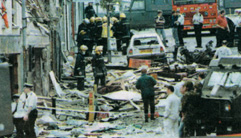
Detectives were instead forced to spend nine months trawling through 6.4 million telephone records to finally identify 22 suspects' phones active in Omagh in the lead-up to the bomb, in which 29 people died including a woman pregnant with twins.
By Allison Morris
A COMMITTEE of MPs is to deliver a report this morning into claims that crucial intelligence relating to the Omagh bombers was withheld from detectives investigating the atrocity.
The Northern Ireland Affairs Committee investigated claims that phone calls made by the Real IRA bombers were intercepted by security services on the day of the 1998 attack.
As part of the parliamentary investigation a number of senior security personnel gave evidence.
They included Sir Peter Gibson, the Intelligence Services Commissioner at the time of bombing, who carried out a previous government-ordered review of the sharing of intelligence in the case.
His findings were never made public and the affairs committee was also denied access to the top-secret report by Secretary of State Shaun Woodward.
This was despite assurances from the committee's chairman Sir Patrick Cormack that the report would be handled in a very sensitive manner.
Today's report is expected to be highly critical of the decision to withhold that vital information from the committee.
The Commons investigation came in the wake of a BBC Panaroma programme, which claimed the British government's Communications Headquarters (GCHQ) had intercepted calls made on the day of the 1998 bombing.
This included a call by one of the suspected bombers stating: "The bricks are in the wall", thought to mean that the bomb was parked and armed.
It was claimed that if the details of the calls and the phone numbers used had been given to the RUC at the time it could have helped lead to early arrests in the case.
Detectives were instead forced to spend nine months trawling through 6.4 million telephone records to finally identify 22 suspects' phones active in Omagh in the lead-up to the bomb, in which 29 people died including a woman pregnant with twins.
Further Information
Publisher: THE IRISH NEWS
Ref: IN/1024
Published Date: 16-Mar-10
Related Images