CIVIL COURTS TACTIC AN INCREASINGLY POPULAR MOVE BY CAMPAIGNERS
Civil courts tactic an 'increasingly popular' move by campaigners
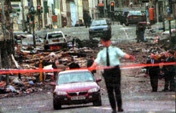
TAKING cases to the civil courts where there is a lower burden of proof is becoming an increasingly popular tactic for victims and campaigners. Two months ago legal history was made when relatives of the Omagh bombing won a landmark civil case against four men they believed were behind the 1998 atrocity. Real IRA leader Michael McKevitt and three other men - Liam Campbell, Colm Murphy and Seamus Daly - were found liable for the bomb at the High Court in Belfast.
The relatives had launched the action after the collapse of a previous criminal case and successfully sued the men and the Real IRA for up to £14 million. Afterwards, Michael Gallagher, whose son Aidan was killed in the bombing, said: "We have sent out an important message to terrorists and their victims around the world - you now have a way of challenging those who've murdered your loved ones."
Afterwards nationalist victims' group Relatives for Justice signalled its intention to use the civil case as a template for action against senior British government ministers in connection with state killings of civilians. Another civil action has been languishing in the US courts since April 2006 when around 150 people took a case against Colonel Muammar Gadaffi and Libya over the arming of the IRA.
The plaintiffs claim the Libyan government is liable for physical and emotional hurt because the regime supplied the IRA with money and weaponry. UK citizens are seeking compensation under the Torture Victims Protection Act 1991.
Further Information
Related Images