OMAGH RELATIVES LANDMARK CASE CLOSES AFTER 12 MONTHS
Omagh relatives' landmark case closes after 12 months
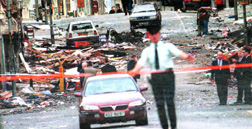
A LANDMARK civil action brought by relatives of Omagh bombing victims finally drew to a close at the High Court in Belfast yesterday.
Twelve months after the case opened against five men being sued over the atrocity, Mr Justice Morgan heard final submissions on behalf of the defendants.
He will begin work on his judgment over the Easter recess, with a verdict anticipated by June.
With nobody having been convicted for the August 1998 Real IRA bombing which killed 29 people including a woman pregnant with twins, some of the bereaved are seeking an order for millions of pounds in damages.
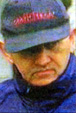
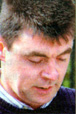
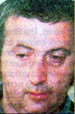
They claim that jailed dissident republican leader Michael McKevitt, along with Liam Campbell, Seamus McKenna, Colm Murphy and Seamus Daly, can be held responsible for the worst single loss of life in 30 years of conflict in Northern Ireland. All five men deny liability.
Lawyers for the families opened their case last April by describing the bombing as a massacre of the innocents and ended with a declaration that the "day of reckoning" had arrived for the Real IRA and those suspected of involvement.
Murphy supplied the mobile phones used by the bomb team, knowing what they were to be used for, they alleged.
But defence counsel Dermot Fee QC argued that their case had not been proved.
"Even if your lordship were to find that an admission had been made to gardai, even if your lordship were to find all admissions were made to gardai, it still does not deal with the intention to carry out what is described as the Omagh atrocity," he said.
Mary Higgins QC, on behalf of Daly - who is alleged to have been in the bomb car - began her closing speech by stating he had always maintained that he was not responsible for the attack or loss of life.
"The case against him is one of conjecture and is fundamentally flawed," she told Mr Justice Morgan.
The court also heard that the evidence pointed to a conclusion that the bombing, like other attacks in the dissident campaign at that time, had been intended to cause damage to commercial property.
A tragic failure to convey information to police on the ground led to people being killed and injured, it was claimed.
Ms Higgins argued that a lack of evidence was the difficulty facing the families.
She insisted that the plaintiffs could only rely on what had been pleaded, with three reasons given to back their claims that the defendants intended the devastating consequences: the size of the bomb; its location; and deficient warnings given.
"We say that is the case they are tied to, and on the basis of that, this case cannot meet the terms of intentional infliction of harm," she said.
"The plaintiffs cannot make any claim outside it and the claim must fail."
A LANDMARK civil action brought by relatives of Omagh bombing victims finally drew to a close at the High Court in Belfast yesterday.
Twelve months after the case opened against five men being sued over the atrocity, Mr Justice Morgan heard final submissions on behalf of the defendants.
He will begin work on his judgment over the Easter recess, with a verdict anticipated by June.
With nobody having been convicted for the August 1998 Real IRA bombing which killed 29 people including a woman pregnant with twins, some of the bereaved are seeking an order for millions of pounds in damages.
They claim that jailed dissident republican leader Michael McKevitt, along with Liam Campbell, Seamus McKenna, Colm Murphy and Seamus Daly, can be held responsible for the worst single loss of life in 30 years of conflict in Northern Ireland. All five men deny liability.
Lawyers for the families opened their case last April by describing the bombing as a massacre of the innocents and ended with a declaration that the "day of reckoning" had arrived for the Real IRA and those suspected of involvement.
Murphy supplied the mobile phones used by the bomb team, knowing what they were to be used for, they alleged.
But defence counsel Dermot Fee QC argued that their case had not been proved.
"Even if your lordship were to find that an admission had been made to gardai, even if your lordship were to find all admissions were made to gardai, it still does not deal with the intention to carry out what is described as the Omagh atrocity," he said.
Mary Higgins QC, on behalf of Daly - who is alleged to have been in the bomb car - began her closing speech by stating he had always maintained that he was not responsible for the attack or loss of life.
"The case against him is one of conjecture and is fundamentally flawed," she told Mr Justice Morgan.
The court also heard that the evidence pointed to a conclusion that the bombing, like other attacks in the dissident campaign at that time, had been intended to cause damage to commercial property.
A tragic failure to convey information to police on the ground led to people being killed and injured, it was claimed.
Ms Higgins argued that a lack of evidence was the difficulty facing the families.
She insisted that the plaintiffs could only rely on what had been pleaded, with three reasons given to back their claims that the defendants intended the devastating consequences: the size of the bomb; its location; and deficient warnings given.
"We say that is the case they are tied to, and on the basis of that, this case cannot meet the terms of intentional infliction of harm," she said.
"The plaintiffs cannot make any claim outside it and the claim must fail."
Further Information
Publisher: THE IRISH NEWS
Ref: IN/0997
Published Date: 26-Mar-09
Related Images