DAY OF RECKONING HAS ARRIVED FOR FIVE DEFENDANTS COURT TOLD
Day of reckoning has arrived for five defendants court told
THE "day of reckoning" has arrived for the Real IRA and five men blamed for the Omagh bomb atrocity, the High Court in Belfast heard yesterday.
As the multi-million-pound civil case brought by victims' relatives draws to a close following a year-long trial, the defendants were branded cowards for refusing to take part in the proceedings.
Lord Brennan QC, appearing for some of the bereaved, said none of those being sued had put up any plausible defence to the allegation that they intended to kill or inflict serious injury.
Rejecting claims that the bombers had been targeting commercial premises, he said: "[That] is the kind of backtracking and self-justification one expects from a terrorist group who suddenly find themselves the subject of universal contempt and disgust."
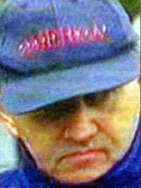
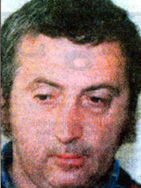
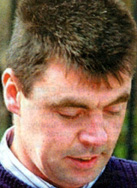
In a claim for damages that has made legal history, the families are seeking to prove that jailed dissident republican leader Michael McKevitt, along with Seamus McKenna, Liam Campbell, Colm Murphy and Seamus Daly, can be held liable for the attack in August 1998 which killed 29 people, including a woman pregnant with twins.
Lord Brennan's closing submissions contained a withering assessment of the five men and the renegade grouping they are said to be part of.
"After all the evidence we have presented, the day of reckoning has come for the Real IRA and for each of these defendants," he told the court.
Setting out their various alleged roles, the barrister said McKenna and Daly had been in the car that made the bombing-run, while Campbell had been involved in the operational management of the attack.
Murphy supplied the mobile phones used by the team and McKevitt was the man in charge of the Real IRA at the time of a bombing campaign which included the attack on Omagh, it was claimed.
Lord Brennan stressed the defendants' unexplained failure to give evidence or attend court at any stage in the proceedings.
"As to McKevitt, having required the facility of a video link at Portlaoise Jail where he is serving his 20-year sentence [for directing terrorism], from day one of the trial his counsel informed the court that he was not going to participate in the video link save to give his legal team instructions by way of consultation out of court hours," he said.
"So, having opened the door to participation he simply shut it on the first day."
As some of the victims' families listened in the public gallery, Lord Brennan questioned why none of the defendants had turned up in an attempt to clear their names.
"Faced with the accusation that you were involved in the Omagh bombing, for which you could be civilly liable, it beggars belief that a defendant whose case is that he's not liable would not take the opportunity to declare that in the witness box in a public court," he said.
"It would be kind to call it gutless and accurate to call it cowardice."
He urged Mr Justice Morgan to seek to establish exactly how each of the defendants had met the case against them.
"We have heard the allegations - police perjury, concocted evidence, conspiracy Involving the FBI and British Secret Services, missing data and dishonest witnesses - for nearly a year. What is the defence?
"The conclusion in this, I invite the court to keep in mind, is that there is no plausible defence by any of these defendants."
Lord Brennan said the main case advanced was that the atrocity was intentional.
"Let's consider the facts: the bomb car is manufactured and reinforced to carry a quarter of a tonne of mixed explosive materials," he said.
"It's taken to a town on a Saturday afternoon and it's a bomb which operates from a set timer - once set it will go off - and the person involved in using that device must know that.
"It will go off whether or not people are present. Common sense and these facts - are you telling me that they didn't intend it to cause injury?"
He pointed out that the bomb warnings were inaccurate and inconsistent, with no identification of the car used or where it was parked.
He told the court that the case should be decided in the context of a bombing carried out by a terrorist gang run by the Real IRA.
"They have got a common objective, death and destruction - in particular the Real IRA because it's against the Good Friday Agreement," Lord Brennan said.
"Secondly, it's a tight-knit group. It doesn't call itself an army by coincidence and doesn't have an army council because of some constitutional pedantry. It shows tight organisation.
"Next, such a group need equipment - guns, explosives etc. They need experts to make bombs and they need people to carry out the objectives.
"Next, such a group must have leadership. Armies do, this one does."
He added: "Out of that context you could say about the group that, if necessary, they kill people. If necessary they bomb.
"A year in court and the law of evidence runs the risk of anaesthetising our minds to that reality when we talk about hearsay evidence.
"Lets remember always the context."
Lord Brennan vowed that if the families won their case they would not give up until compensation was paid.
"I can assure the court if liability is found they will pursue that relentlessly," he said.
He also widened his attack on the defendants' failure to give evidence to include McKevitt's wife and son.
"Bernadette Sands McKevitt - where is she?" he asked.
He said Ms Sands McKevitt, McKevitt's wife, could have gone into the witness box to declare that emails from FBI spy David Rupert, which dc scribed his meetings with the McKevitts, were false.
"She could explain how to your lordship - how the geography and furniture and contents of her house are totally different to what Rupert described," Lord Brennan said.
"Why not? She's not accused of being a participant."
With McKevitt's son Stephen alleged to have driven Mr Rupert to meetings with his father, Lord Brennan said either could have testified that McKevitt was not the Real IRA leader at the time.
"It is astonishing in the breadth of the failure of this defendant to meet the case against him," he said.
"For all of [the defendants], and him in particular, the inference should be very strongly drawn against them for their failure to give evidence."
Defence lawyers are expected to deliver their closing submissions next week, before Mr Justice Morgan retires to consider his verdict.
THE "day of reckoning" has arrived for the Real IRA and five men blamed for the Omagh bomb atrocity, the High Court in Belfast heard yesterday.
As the multi-million-pound civil case brought by victims' relatives draws to a close following a year-long trial, the defendants were branded cowards for refusing to take part in the proceedings.
Lord Brennan QC, appearing for some of the bereaved, said none of those being sued had put up any plausible defence to the allegation that they intended to kill or inflict serious injury.
Rejecting claims that the bombers had been targeting commercial premises, he said: "[That] is the kind of backtracking and self-justification one expects from a terrorist group who suddenly find themselves the subject of universal contempt and disgust."
In a claim for damages that has made legal history, the families are seeking to prove that jailed dissident republican leader Michael McKevitt, along with Seamus McKenna, Liam Campbell, Colm Murphy and Seamus Daly, can be held liable for the attack in August 1998 which killed 29 people, including a woman pregnant with twins.
Lord Brennan's closing submissions contained a withering assessment of the five men and the renegade grouping they are said to be part of.
"After all the evidence we have presented, the day of reckoning has come for the Real IRA and for each of these defendants," he told the court.
Setting out their various alleged roles, the barrister said McKenna and Daly had been in the car that made the bombing-run, while Campbell had been involved in the operational management of the attack.
Murphy supplied the mobile phones used by the team and McKevitt was the man in charge of the Real IRA at the time of a bombing campaign which included the attack on Omagh, it was claimed.
Lord Brennan stressed the defendants' unexplained failure to give evidence or attend court at any stage in the proceedings.
"As to McKevitt, having required the facility of a video link at Portlaoise Jail where he is serving his 20-year sentence [for directing terrorism], from day one of the trial his counsel informed the court that he was not going to participate in the video link save to give his legal team instructions by way of consultation out of court hours," he said.
"So, having opened the door to participation he simply shut it on the first day."
As some of the victims' families listened in the public gallery, Lord Brennan questioned why none of the defendants had turned up in an attempt to clear their names.
"Faced with the accusation that you were involved in the Omagh bombing, for which you could be civilly liable, it beggars belief that a defendant whose case is that he's not liable would not take the opportunity to declare that in the witness box in a public court," he said.
"It would be kind to call it gutless and accurate to call it cowardice."
He urged Mr Justice Morgan to seek to establish exactly how each of the defendants had met the case against them.
"We have heard the allegations - police perjury, concocted evidence, conspiracy Involving the FBI and British Secret Services, missing data and dishonest witnesses - for nearly a year. What is the defence?
"The conclusion in this, I invite the court to keep in mind, is that there is no plausible defence by any of these defendants."
Lord Brennan said the main case advanced was that the atrocity was intentional.
"Let's consider the facts: the bomb car is manufactured and reinforced to carry a quarter of a tonne of mixed explosive materials," he said.
"It's taken to a town on a Saturday afternoon and it's a bomb which operates from a set timer - once set it will go off - and the person involved in using that device must know that.
"It will go off whether or not people are present. Common sense and these facts - are you telling me that they didn't intend it to cause injury?"
He pointed out that the bomb warnings were inaccurate and inconsistent, with no identification of the car used or where it was parked.
He told the court that the case should be decided in the context of a bombing carried out by a terrorist gang run by the Real IRA.
"They have got a common objective, death and destruction - in particular the Real IRA because it's against the Good Friday Agreement," Lord Brennan said.
"Secondly, it's a tight-knit group. It doesn't call itself an army by coincidence and doesn't have an army council because of some constitutional pedantry. It shows tight organisation.
"Next, such a group need equipment - guns, explosives etc. They need experts to make bombs and they need people to carry out the objectives.
"Next, such a group must have leadership. Armies do, this one does."
He added: "Out of that context you could say about the group that, if necessary, they kill people. If necessary they bomb.
"A year in court and the law of evidence runs the risk of anaesthetising our minds to that reality when we talk about hearsay evidence.
"Lets remember always the context."
Lord Brennan vowed that if the families won their case they would not give up until compensation was paid.
"I can assure the court if liability is found they will pursue that relentlessly," he said.
He also widened his attack on the defendants' failure to give evidence to include McKevitt's wife and son.
"Bernadette Sands McKevitt - where is she?" he asked.
He said Ms Sands McKevitt, McKevitt's wife, could have gone into the witness box to declare that emails from FBI spy David Rupert, which dc scribed his meetings with the McKevitts, were false.
"She could explain how to your lordship - how the geography and furniture and contents of her house are totally different to what Rupert described," Lord Brennan said.
"Why not? She's not accused of being a participant."
With McKevitt's son Stephen alleged to have driven Mr Rupert to meetings with his father, Lord Brennan said either could have testified that McKevitt was not the Real IRA leader at the time.
"It is astonishing in the breadth of the failure of this defendant to meet the case against him," he said.
"For all of [the defendants], and him in particular, the inference should be very strongly drawn against them for their failure to give evidence."
Defence lawyers are expected to deliver their closing submissions next week, before Mr Justice Morgan retires to consider his verdict.
Further Information
Publisher: THE IRISH NEWS
Ref: IN/0995
Published Date: 21-Mar-09
Related Images