OMAGH JUDGE REVERSES DECISION TO ALLOW IRA INFORMER TO TESTIFY
Omagh judge reverses decision to allow IRA informer to testify
A HIGH Court judge has reversed his decision to allow a convicted IRA murderer-turned-informer to give evidence at the Omagh bombing civil action.
Sean O'Callaghan was due to be called this week to testify against jailed dissident republican leader Michael McKevitt, one of five men being sued over the August 1998 atrocity.
But Mr Justice Morgan ruled he was no longer prepared to allow cross-examination of a man he described as a self-confessed terrorist and "practised deceiver" who was at one stage being paid by the plaintiffs.
"Questions arise on the issue of credibility," the judge said.
"Is Mr O'Callaghan dropping Mr McKevitt in it... and to what extent can his evidence be judged reliable in relation to that?"
The judge's decision to stop Mr O'Callaghan from going into the witness box came as lawyers for victims' relatives, who are seeking multi-million-pound damages, closed their case after 10 months of evidence.
McKevitt, Liam Campbell, Seamus McKenna, Colm Murphy and Seamus Daly all deny responsibility for the Omagh bombing.
The families' legal team wanted Mr O'Callaghan to try to prove his claims that he and McKevitt attended a meeting with other senior Provisionals in the mid-1980s to discuss buying deer hunting rifles for attacks on the military and police.
Mr Justice Morgan decided in December that the agent, who says he was once in charge of the Provisional IRA's southern command, should be allowed to give evidence on this and separate claims that he instructed his security officer to tell McKevitt to stop taking vehicles from the organisation's car pool without permission.
He was also to be questioned on allegations that IRA chief of staff in 1985, Kevin McKenna, told him he wanted McKevitt voted on to its ruling army council.
Since then, however, difficulties have arisen in locating debriefing notes and files held on Mr O'Callaghan by his police handlers on both sides of the border.
Boxes containing 57 sets of interview notes requested by McKevitt's lawyers as part of an exploration of Mr O'Callaghan's credibility were eventually found at a police station in Omagh.
Most of the material related to Mr O'Callaghan's involvement in the murders of special branch detective Peter Flanagan and soldier Eva Martin during the 1970s for which he received two life sentences before being released early under a royal prerogative.
But issues around possible applications for public interest immunity were raised by police lawyers, while other material being sought remained outstanding.
Lord Brennan QC, for the Omagh families, urged the judge to allow the witness to be called as planned.
The barrister claimed the chronology in attempts to obtain the documents had been "abysmal".
He said it had taken the PSNI two months to produce a moderate amount of material, while there was still no response from gardai.
However, Mr Justice Morgan said: "This is a witness who, by his own admission, has been a person of very bad character and a practised deceiver.
"He said he was operating as an agent for the gardai and has been in the paid employment of the plaintiffs at one time."
The judge said he could put little dependence on the informer's truth fullness - regardless of whether or not he had told police about the alleged events he was to be cross-examined on.
"I'm inevitably going to be placed in a position of having to conclude his evidence carries very little weight," he said.
"It seems to me I should prevent that happening and simply get on with this trial."
Meanwhile, the plaintiffs closed their case by showing footage of McKevitt attending the funeral of Real IRA man Ronan McLoughlin in May 1998 - two months before Omagh was bombed.
McLoughlin, a 28-year-old Dubliner, was shot dead by gardai during an attempted raid on a security van in Co Wicklow.
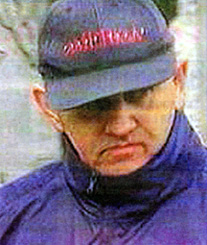
In the cemetery footage played in court McKevitt can be seen in a baseball cap and upturned collar while a graveyard oration describes McLoughlin as a "volunteer of Oglaigh na hEireann [the IRA] on active service carrying out instructions for his military leaders".
Lawyers for McKevitt are now expected to open their defence against allegations made by the Omagh families.
A HIGH Court judge has reversed his decision to allow a convicted IRA murderer-turned-informer to give evidence at the Omagh bombing civil action.
Sean O'Callaghan was due to be called this week to testify against jailed dissident republican leader Michael McKevitt, one of five men being sued over the August 1998 atrocity.
But Mr Justice Morgan ruled he was no longer prepared to allow cross-examination of a man he described as a self-confessed terrorist and "practised deceiver" who was at one stage being paid by the plaintiffs.
"Questions arise on the issue of credibility," the judge said.
"Is Mr O'Callaghan dropping Mr McKevitt in it... and to what extent can his evidence be judged reliable in relation to that?"
The judge's decision to stop Mr O'Callaghan from going into the witness box came as lawyers for victims' relatives, who are seeking multi-million-pound damages, closed their case after 10 months of evidence.
McKevitt, Liam Campbell, Seamus McKenna, Colm Murphy and Seamus Daly all deny responsibility for the Omagh bombing.
The families' legal team wanted Mr O'Callaghan to try to prove his claims that he and McKevitt attended a meeting with other senior Provisionals in the mid-1980s to discuss buying deer hunting rifles for attacks on the military and police.
Mr Justice Morgan decided in December that the agent, who says he was once in charge of the Provisional IRA's southern command, should be allowed to give evidence on this and separate claims that he instructed his security officer to tell McKevitt to stop taking vehicles from the organisation's car pool without permission.
He was also to be questioned on allegations that IRA chief of staff in 1985, Kevin McKenna, told him he wanted McKevitt voted on to its ruling army council.
Since then, however, difficulties have arisen in locating debriefing notes and files held on Mr O'Callaghan by his police handlers on both sides of the border.
Boxes containing 57 sets of interview notes requested by McKevitt's lawyers as part of an exploration of Mr O'Callaghan's credibility were eventually found at a police station in Omagh.
Most of the material related to Mr O'Callaghan's involvement in the murders of special branch detective Peter Flanagan and soldier Eva Martin during the 1970s for which he received two life sentences before being released early under a royal prerogative.
But issues around possible applications for public interest immunity were raised by police lawyers, while other material being sought remained outstanding.
Lord Brennan QC, for the Omagh families, urged the judge to allow the witness to be called as planned.
The barrister claimed the chronology in attempts to obtain the documents had been "abysmal".
He said it had taken the PSNI two months to produce a moderate amount of material, while there was still no response from gardai.
However, Mr Justice Morgan said: "This is a witness who, by his own admission, has been a person of very bad character and a practised deceiver.
"He said he was operating as an agent for the gardai and has been in the paid employment of the plaintiffs at one time."
The judge said he could put little dependence on the informer's truth fullness - regardless of whether or not he had told police about the alleged events he was to be cross-examined on.
"I'm inevitably going to be placed in a position of having to conclude his evidence carries very little weight," he said.
"It seems to me I should prevent that happening and simply get on with this trial."
Meanwhile, the plaintiffs closed their case by showing footage of McKevitt attending the funeral of Real IRA man Ronan McLoughlin in May 1998 - two months before Omagh was bombed.
McLoughlin, a 28-year-old Dubliner, was shot dead by gardai during an attempted raid on a security van in Co Wicklow.
In the cemetery footage played in court McKevitt can be seen in a baseball cap and upturned collar while a graveyard oration describes McLoughlin as a "volunteer of Oglaigh na hEireann [the IRA] on active service carrying out instructions for his military leaders".
Lawyers for McKevitt are now expected to open their defence against allegations made by the Omagh families.
Further Information
Publisher: THE IRISH NEWS
Ref: IN/0991
Published Date: 05-Mar-09
Related Images