MEN LOSE APPEAL OVER BIAS IN OMAGH LEGAL AID CLAIM
Men lose appeal over bias in Omagh legal aid claim
TWO of the men being sued over the Omagh bomb atrocity have lost their appeal against the granting of exceptional legal aid to victims' relatives.
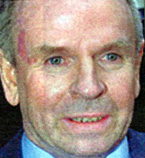
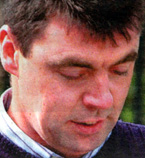
Colm Murphy and Seamus Daly were challenging methods used by the British government to help fund the multi-million pound lawsuit.
They accused the lord chancellor of bias and claimed he predetermined the outcome of the legal aid process by making public pledges to offer financial assistance to the families before any legal authorisation.
With funding of more than �800,000 made available to allow the action to proceed, Murphy and Daly had sought a judicial review of decisions taken by Lord Falconer and the Northern Ireland Legal Services Commission.
When the application was rejected last year, their lawyers urged the Court of Appeal in Belfast to overrule the judgment that the request for authorisation of exceptional funds was lawful.
But the panel hearing the case, headed by Lord Chief Justice Sir Brian Kerr, dismissed the challenge after declaring none of the arguments put forward had succeeded.
The ruling came during a summer recess in the landmark civil trial.
It will resume hearing evidence in Belfast and Dublin in September.
With no-one convicted of the August 1998 Real IRA bombing which killed 29 people, Murphy and Daly, along with convicted dissident republican leader Michael McKevitt, Liam Campbell and Seamus McKenna, are facing a claim for damages from the families of some victims. All five deny responsibility.
High-profile support for the action has come from a number of celebrities and political figures, including former secretary of state Peter Mandelson.
Lawyers for Murphy and Daly claimed the government made a firm and unwavering public commitment to provide funding to support the action.
They argued this meant it was impossible for the Lord Chancellor to bring the essential degree of open-mindedness required in deciding whether exceptional legal aid should be granted.
But Sir Brian held that it could not be assumed the government had abandoned the exercise of fair and independent judgment on the funding application.
"It is perfectly possible for the government to give a firm pledge in respect of funding and to redeem that pledge by the creation of a statutory framework within which funding may be applied for but whose grant is not guaranteed," he said.
"There is no reason to reject the unequivocal statements made on behalf of the Lord Chancellor that this application was subjected to the scrutiny that had been presaged by his guidance."
Alleging bias, Murphy and Daly's legal representatives also argued that the Lord Chancellor had become so closely associated with attempts to secure legal financing that he should have been automatically disqualified from the decision-making process.
Rejecting the claims, however, Sir Brian stated: "Put simply, there is no reason to suppose that, just because he had previously supported the view that the families should be assisted in this way, he would fail to examine the application scrupulously as he had said in his guidance it would be."
TWO of the men being sued over the Omagh bomb atrocity have lost their appeal against the granting of exceptional legal aid to victims' relatives.
Colm Murphy and Seamus Daly were challenging methods used by the British government to help fund the multi-million pound lawsuit.
They accused the lord chancellor of bias and claimed he predetermined the outcome of the legal aid process by making public pledges to offer financial assistance to the families before any legal authorisation.
With funding of more than �800,000 made available to allow the action to proceed, Murphy and Daly had sought a judicial review of decisions taken by Lord Falconer and the Northern Ireland Legal Services Commission.
When the application was rejected last year, their lawyers urged the Court of Appeal in Belfast to overrule the judgment that the request for authorisation of exceptional funds was lawful.
But the panel hearing the case, headed by Lord Chief Justice Sir Brian Kerr, dismissed the challenge after declaring none of the arguments put forward had succeeded.
The ruling came during a summer recess in the landmark civil trial.
It will resume hearing evidence in Belfast and Dublin in September.
With no-one convicted of the August 1998 Real IRA bombing which killed 29 people, Murphy and Daly, along with convicted dissident republican leader Michael McKevitt, Liam Campbell and Seamus McKenna, are facing a claim for damages from the families of some victims. All five deny responsibility.
High-profile support for the action has come from a number of celebrities and political figures, including former secretary of state Peter Mandelson.
Lawyers for Murphy and Daly claimed the government made a firm and unwavering public commitment to provide funding to support the action.
They argued this meant it was impossible for the Lord Chancellor to bring the essential degree of open-mindedness required in deciding whether exceptional legal aid should be granted.
But Sir Brian held that it could not be assumed the government had abandoned the exercise of fair and independent judgment on the funding application.
"It is perfectly possible for the government to give a firm pledge in respect of funding and to redeem that pledge by the creation of a statutory framework within which funding may be applied for but whose grant is not guaranteed," he said.
"There is no reason to reject the unequivocal statements made on behalf of the Lord Chancellor that this application was subjected to the scrutiny that had been presaged by his guidance."
Alleging bias, Murphy and Daly's legal representatives also argued that the Lord Chancellor had become so closely associated with attempts to secure legal financing that he should have been automatically disqualified from the decision-making process.
Rejecting the claims, however, Sir Brian stated: "Put simply, there is no reason to suppose that, just because he had previously supported the view that the families should be assisted in this way, he would fail to examine the application scrupulously as he had said in his guidance it would be."
Further Information
Publisher: THE IRISH NEWS
Ref: IN/0958
Published Date: 22-Jul-08
Related Images