OMAGH RELATIVES MIGHT NEVER RECOVER COURT TOLD
Omagh relatives might never recover court told
SOME relatives of Omagh bomb victims have slipped into such deep depressions they will probably never make a full recovery, a top psychiatrist said yesterday.
Giving evidence at the High Court civil trial of five men blamed for the atrocity, Dr Nicholas Cooling was also dismissive of the impact of counselling on the bereaved.
The expert revealed how family members were still plagued by post-traumatic stress disorder (PTSD), mood swings and heavy alcohol dependency, which cast a bleak outlook over their futures.
According to his assessment, Michael Gallagher - who lost his son Aiden in the August 1998 attack and now fronts an Omagh victims' campaign - has become so preoccupied with all the "twists and turns" in the case that it has gradually become his life.
"He's never really come out of it. Unfortunately he's gone into a chronic form of depression," Dr Cooling told the hearing in Belfast.
"I think unfortunately Mr Gallagher's prognosis is [he's] not going to respond to treatment. He's had a devastatingly bad outcome."
The consultant psychiatrist, who also prepared reports on those who lost loved ones in the 1989 Hillsborough Stadium disaster in Sheffield, went into the witness box after the families themselves had laid bare their own personal torment.
He described how Mr Gallagher developed PTSD and clinical depression following the bombing.
The grieving father became irritable with his family, could not relax and began using alcohol as medication, the court heard.
Questioned by Brett Lockhart QC, for the Omagh relatives seeking multi-million-pound damages from Michael McKevitt, Liam Campbell, Seamus McKenna, Colm Murphy and Seamus Daly, Dr Cooling claimed the counselling offered to Mr Gallagher and others had little value.
"It's not a treatment. Counselling is something you can provide for patients to give vent to their feelings but it's not a direct form of psychotherapy," he said.
"Unfortunately none of these people had an effective psychotherapy intervention."
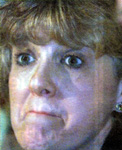
Another of those still gripped by depression is Stanley McComb, whose wife Anne (48) was killed in the blast.
Mr McComb, who rushed home from a pipe band competition in Scotland after hearing of the explosion, was further traumatised by the scenes of devastation he encountered and still struggles to cope with looking after his two sons, Dr Cooling said.
"One of the reasons Mr McComb was so traumatised was he took the blame himself for the fact he wasn't in Omagh when the bomb went off. He felt guilty that he hadn't been there," the psychiatrist said.
"He saw her facial injuries and was absolutely horrified by what he saw. She was very badly damaged. Physically seeing the injuries was an additional traumatising event."
Asked for a future prognosis in this case, he replied: "Poor, because he's chronic. It's not to be expected he's going to make a full recovery."
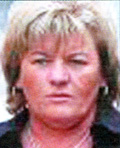
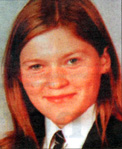
One of the most tragic cases, in Dr Cooling's view, was that of Ann Wilson, whose 15-year-old daughter Lorraine died in Omagh.
Battling PTSD and avoidance behaviour, the court heard how her level of distress made her difficult to interview.
"She's another who tends to self-medicate with alcohol. She's like a shell of a woman. She's not emotionally there to some extent," Dr Cooling told Mr Justice Morgan.
"She lives at home. She tends to drink wine to get to sleep and she has a tenuous outlook with the outside world. She's really a tragic lady and there's quite a bad outlook."
He likened Mrs Wilson's personality change to that undergone by a mother of two girls crushed to death at Hillsborough.
"It's a chronic feeling of being on the edge of a non-specific threat," he said.
Another of Mrs Wilson's children, Colin, was just 10 years old when he was confronted with horrific images after riding his bike to the bomb scene to search for his sister.
Despite noting the vulnerabilities of a child with special educational needs, he praised how he has coped in the intervening years.
"For a 10-year-old with learning difficulties who was quite dependant on his sister it was a devastating thing which he really struggled for a long time after to come to terms with," Dr Cooling said.
"When I saw Colin I was very concerned about the likely impact on such a vulnerable child.
"But I saw him earlier this year and I was delighted with the progress that has been made. He's got lots of positive plans for the future and he's such an asset to the rest of the family - a very impressive young man."
Less significant improvements have been made in Marion Radford's case, however.
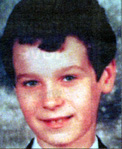
Dr Cooling explained how the mother of 16-year-old Omagh victim Alan Radford developed PTSD which was compounded by how close she was to the explosion.
Describing how she had experienced personal difficulties prior to the atrocity, the psychiatrist said: "The tragedy for her was at the time she was caught up in the bomb she was going through a period of quite marked stability in her life.
"She was an unlucky lady. Yes she had problems in her life in the past and been on anti-depressants but she was in a very happy phase of her life."
The trial continues.
SOME relatives of Omagh bomb victims have slipped into such deep depressions they will probably never make a full recovery, a top psychiatrist said yesterday.
Giving evidence at the High Court civil trial of five men blamed for the atrocity, Dr Nicholas Cooling was also dismissive of the impact of counselling on the bereaved.
The expert revealed how family members were still plagued by post-traumatic stress disorder (PTSD), mood swings and heavy alcohol dependency, which cast a bleak outlook over their futures.
According to his assessment, Michael Gallagher - who lost his son Aiden in the August 1998 attack and now fronts an Omagh victims' campaign - has become so preoccupied with all the "twists and turns" in the case that it has gradually become his life.
"He's never really come out of it. Unfortunately he's gone into a chronic form of depression," Dr Cooling told the hearing in Belfast.
"I think unfortunately Mr Gallagher's prognosis is [he's] not going to respond to treatment. He's had a devastatingly bad outcome."
The consultant psychiatrist, who also prepared reports on those who lost loved ones in the 1989 Hillsborough Stadium disaster in Sheffield, went into the witness box after the families themselves had laid bare their own personal torment.
He described how Mr Gallagher developed PTSD and clinical depression following the bombing.
The grieving father became irritable with his family, could not relax and began using alcohol as medication, the court heard.
Questioned by Brett Lockhart QC, for the Omagh relatives seeking multi-million-pound damages from Michael McKevitt, Liam Campbell, Seamus McKenna, Colm Murphy and Seamus Daly, Dr Cooling claimed the counselling offered to Mr Gallagher and others had little value.
"It's not a treatment. Counselling is something you can provide for patients to give vent to their feelings but it's not a direct form of psychotherapy," he said.
"Unfortunately none of these people had an effective psychotherapy intervention."
Another of those still gripped by depression is Stanley McComb, whose wife Anne (48) was killed in the blast.
Mr McComb, who rushed home from a pipe band competition in Scotland after hearing of the explosion, was further traumatised by the scenes of devastation he encountered and still struggles to cope with looking after his two sons, Dr Cooling said.
"One of the reasons Mr McComb was so traumatised was he took the blame himself for the fact he wasn't in Omagh when the bomb went off. He felt guilty that he hadn't been there," the psychiatrist said.
"He saw her facial injuries and was absolutely horrified by what he saw. She was very badly damaged. Physically seeing the injuries was an additional traumatising event."
Asked for a future prognosis in this case, he replied: "Poor, because he's chronic. It's not to be expected he's going to make a full recovery."
One of the most tragic cases, in Dr Cooling's view, was that of Ann Wilson, whose 15-year-old daughter Lorraine died in Omagh.
Battling PTSD and avoidance behaviour, the court heard how her level of distress made her difficult to interview.
"She's another who tends to self-medicate with alcohol. She's like a shell of a woman. She's not emotionally there to some extent," Dr Cooling told Mr Justice Morgan.
"She lives at home. She tends to drink wine to get to sleep and she has a tenuous outlook with the outside world. She's really a tragic lady and there's quite a bad outlook."
He likened Mrs Wilson's personality change to that undergone by a mother of two girls crushed to death at Hillsborough.
"It's a chronic feeling of being on the edge of a non-specific threat," he said.
Another of Mrs Wilson's children, Colin, was just 10 years old when he was confronted with horrific images after riding his bike to the bomb scene to search for his sister.
Despite noting the vulnerabilities of a child with special educational needs, he praised how he has coped in the intervening years.
"For a 10-year-old with learning difficulties who was quite dependant on his sister it was a devastating thing which he really struggled for a long time after to come to terms with," Dr Cooling said.
"When I saw Colin I was very concerned about the likely impact on such a vulnerable child.
"But I saw him earlier this year and I was delighted with the progress that has been made. He's got lots of positive plans for the future and he's such an asset to the rest of the family - a very impressive young man."
Less significant improvements have been made in Marion Radford's case, however.
Dr Cooling explained how the mother of 16-year-old Omagh victim Alan Radford developed PTSD which was compounded by how close she was to the explosion.
Describing how she had experienced personal difficulties prior to the atrocity, the psychiatrist said: "The tragedy for her was at the time she was caught up in the bomb she was going through a period of quite marked stability in her life.
"She was an unlucky lady. Yes she had problems in her life in the past and been on anti-depressants but she was in a very happy phase of her life."
The trial continues.
Further Information
Publisher: THE IRISH NEWS
Ref: IN/0945
Published Date: 06-Jun-08
Related Images