CHIEF CONSTABLE DEFENDS PSNI OVER TRIAL CRITICISM
Chief Constable defends PSNI over trail critism
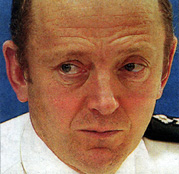
THERE will never be a successful prosecution over the Omagh bombing unless those who know who did it are prepared to stand up in court and identify them, the chief constable said yesterday.
Sir Hugh Orde defended the PSNI against mounting criticism following the acquittal on Thursday of Sean Hoey on 29 murder charges and a host of other offences.
He insisted his investigating officers had done their best with the "imperfect product" passed on to them following the original investigation by the RUC when Sir Ronnie Flanagan was chief constable.
Speaking at police headquarters in Belfast, Sir Hugh was anxious to divert criticism away from the PSNI, saying they had mounted a fresh investigation when asked to do so by the police ombudsman following a damning report into the probe led by Sir Ronnie.
Following the failure to get a conviction, Sir Hugh said there would be no success in the future unless witnesses came forward.
"People out there know who did this. There is a lot of intelligence but intelligence is not evidence," he said.
"In my judgment, the only way we will see a successful prosecution in a criminal court is if people stand up and say - This was committed by X and I will tell you how it happened.
"If they do that they will have my total support and total protection."
Sir Hugh conceded the judgment by Mr Justice Weir was "a severe criticism of a number of areas".
Two of his officers who were accused by the judge of lying in court are the subject of an investigation by the police ombudsman.
The investigation was launched during the trial at the request of the judge and could lead to prosecution of the officers.
"I am told it is due soon and may well need to go to the director of Public prosecutions in the first instance," Sir Hugh said.
He revealed he had instigated an immediate review of all cases involving Low Copy Number DNA evidence after its use was rejected in the trial. The technique enables the analysis of a small number of cells.
"I have asked for an urgent review of all cases that rely in any way, shape or form on Low Copy Number DNA," Sir Hugh said.
He said it was at the very cutting edge of science and had been used in the Omagh case because of his determination to do everything he could to build a case.
The judge decided it was not as yet at a sufficiently scientific level to be considered evidence. But Sir Hugh said: "It is a vital ingredient of cases in the future which will bring very guilty people to justice."
He said he had been in contact with the chief constable of Lincolnshire,Tony Lake, who was the leading member of the Association of Chief Police Officers dealing with forensic issues.
Mr Lake said briefly: "It is too early at this stage to comment in detail on the forensic implications of the Omagh judgment. We will now study the content carefully before taking a considered view."
Sir Hugh Orde insisted his team had done its best to win a conviction and had put together a case which the director of public prosecutions agreed should be taken to court.
Even the judge, he said, had agreed there was a case to answer when he dismissed the defence application to have the case thrown out halfway through the trial.
"What we did was have another look with the very best of intentions," Sir Hugh said.
He said they had followed the advice of the police ombudsman on what they should look at and had done their very best with what they had.
"I don't regret that. I think what Detective Chief Superintendent Norman Baxter [the man in charge of the Omagh inquiry] did with what he had was outstanding," Sir Hugh said.
THERE will never be a successful prosecution over the Omagh bombing unless those who know who did it are prepared to stand up in court and identify them, the chief constable said yesterday.
Sir Hugh Orde defended the PSNI against mounting criticism following the acquittal on Thursday of Sean Hoey on 29 murder charges and a host of other offences.
He insisted his investigating officers had done their best with the "imperfect product" passed on to them following the original investigation by the RUC when Sir Ronnie Flanagan was chief constable.
Speaking at police headquarters in Belfast, Sir Hugh was anxious to divert criticism away from the PSNI, saying they had mounted a fresh investigation when asked to do so by the police ombudsman following a damning report into the probe led by Sir Ronnie.
Following the failure to get a conviction, Sir Hugh said there would be no success in the future unless witnesses came forward.
"People out there know who did this. There is a lot of intelligence but intelligence is not evidence," he said.
"In my judgment, the only way we will see a successful prosecution in a criminal court is if people stand up and say - This was committed by X and I will tell you how it happened.
"If they do that they will have my total support and total protection."
Sir Hugh conceded the judgment by Mr Justice Weir was "a severe criticism of a number of areas".
Two of his officers who were accused by the judge of lying in court are the subject of an investigation by the police ombudsman.
The investigation was launched during the trial at the request of the judge and could lead to prosecution of the officers.
"I am told it is due soon and may well need to go to the director of Public prosecutions in the first instance," Sir Hugh said.
He revealed he had instigated an immediate review of all cases involving Low Copy Number DNA evidence after its use was rejected in the trial. The technique enables the analysis of a small number of cells.
"I have asked for an urgent review of all cases that rely in any way, shape or form on Low Copy Number DNA," Sir Hugh said.
He said it was at the very cutting edge of science and had been used in the Omagh case because of his determination to do everything he could to build a case.
The judge decided it was not as yet at a sufficiently scientific level to be considered evidence. But Sir Hugh said: "It is a vital ingredient of cases in the future which will bring very guilty people to justice."
He said he had been in contact with the chief constable of Lincolnshire,Tony Lake, who was the leading member of the Association of Chief Police Officers dealing with forensic issues.
Mr Lake said briefly: "It is too early at this stage to comment in detail on the forensic implications of the Omagh judgment. We will now study the content carefully before taking a considered view."
Sir Hugh Orde insisted his team had done its best to win a conviction and had put together a case which the director of public prosecutions agreed should be taken to court.
Even the judge, he said, had agreed there was a case to answer when he dismissed the defence application to have the case thrown out halfway through the trial.
"What we did was have another look with the very best of intentions," Sir Hugh said.
He said they had followed the advice of the police ombudsman on what they should look at and had done their very best with what they had.
"I don't regret that. I think what Detective Chief Superintendent Norman Baxter [the man in charge of the Omagh inquiry] did with what he had was outstanding," Sir Hugh said.
Further Information
Publisher: THE IRISH NEWS
Ref: IN/0872
Published Date: 22-Dec-07
Related Images