REAL IRA BOSS LOSES CONVICTION APPEAL
Real IRA boss loses conviction appeal
By Michael Brennan, PA
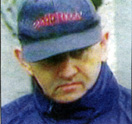
REAL IRA leader Michael McKevitt yesterday lost his appeal against his conviction for directing terrorism. The 54-year-old, pictured, from Beech Park, Blackrock, Co Louth, was jailed for 20 years by the Special Criminal Court in 2003.
At the court of criminal appeal in Dublin Mr Justice Nicholas Kearns said the court was satisfied that the Special Criminal Court was entitled to conclude that the main prosecution witness, David Rupert, was a credible witness and to accept his evidence.
The judge said that the court was also satisfied that all matters relating to the disclosure of documents had been dealt with.
McKevitt was the first person to be convicted of directing terrorism, an offence introduced after the deaths of 29 people, including a woman expecting twins in the 1998 Omagh bombing.
He also received a six-year concurrent sentence for membership of an illegal organisation, which the court said was the Real IRA.
McKevitt was supported in court by his wife Bernadette Sands McKevitt, the sister of IRA hunger striker Bobby Sands who died in 1981.
The pair smiled at each other when they entered and displayed no surprise when the result of the appeal was read out.
His appeal, which was heard over four days last month, centred on the reliability of evidence given against him by FBI agent David Rupert.
The American had built up contacts with the republican movement through his second wife after visiting Ireland in 1992. He was paid $1.8 million by the FBI for information and at one stage was given $8,500 to buy a pub in Sligo.
He was also introduced by the FBI to the British secret services and was paid $400,000 by them.
McKevitt's lawyers had argued that Mr Rupert was a deeply avaricious man who had been through three sets of bankruptcy proceedings in the US and had outstanding tax liabilities to the Inland Revenue Service.
He was charged with criminal offences in 1974 for writing bad cheques and had worked as a police informer.
In its 66-page judgment, the Court of Criminal Appeal (CCA) noted that Mr Rupert had been subjected to an unprecedented 14 days of cross-examination during McKevitt's 2003 trial.
"It may therefore be said that the greatest opportunity was availed of by the trial court because of the length of cross-examination in this case to assess the veracity and credibility of the main prosecution witness," it stated.
Mr Rupert testified about Real IRA meetings he had attended with McKevitt at which the Omagh bombing was discussed.
He told the court McKevitt always identified himself as the leader and hoped to "take the war to the steps of Stormont and to the financial district of the UK".
The CCA said in its judgment that Mr Rupert had baggage due to his previous personal and business activities, which were close to the edge of illegality and perhaps tainted by it.
But it said he had been shown to be uniquely qualified for his work as a double agent and the pay increases he received from the the FBI and British secret services indicated they felt they were getting valuable and reliable information from him.
"The court therefore rejects all criticisms made of the court's judgment in relation to the credibility of David Rupert."
McKevitt's defence team were provided with more than 2,300 pages of documentation on Mr Rupert, mainly from the FBI and British secret service records but had argued that there had been inadequate disclosure.
The CCA dismissed this argument and also dismissed the defence's claim that the late disclosure of an Irish police document had affected the trial.
By Michael Brennan, PA
REAL IRA leader Michael McKevitt yesterday lost his appeal against his conviction for directing terrorism. The 54-year-old, pictured, from Beech Park, Blackrock, Co Louth, was jailed for 20 years by the Special Criminal Court in 2003.
At the court of criminal appeal in Dublin Mr Justice Nicholas Kearns said the court was satisfied that the Special Criminal Court was entitled to conclude that the main prosecution witness, David Rupert, was a credible witness and to accept his evidence.
The judge said that the court was also satisfied that all matters relating to the disclosure of documents had been dealt with.
McKevitt was the first person to be convicted of directing terrorism, an offence introduced after the deaths of 29 people, including a woman expecting twins in the 1998 Omagh bombing.
He also received a six-year concurrent sentence for membership of an illegal organisation, which the court said was the Real IRA.
McKevitt was supported in court by his wife Bernadette Sands McKevitt, the sister of IRA hunger striker Bobby Sands who died in 1981.
The pair smiled at each other when they entered and displayed no surprise when the result of the appeal was read out.
His appeal, which was heard over four days last month, centred on the reliability of evidence given against him by FBI agent David Rupert.
The American had built up contacts with the republican movement through his second wife after visiting Ireland in 1992. He was paid $1.8 million by the FBI for information and at one stage was given $8,500 to buy a pub in Sligo.
He was also introduced by the FBI to the British secret services and was paid $400,000 by them.
McKevitt's lawyers had argued that Mr Rupert was a deeply avaricious man who had been through three sets of bankruptcy proceedings in the US and had outstanding tax liabilities to the Inland Revenue Service.
He was charged with criminal offences in 1974 for writing bad cheques and had worked as a police informer.
In its 66-page judgment, the Court of Criminal Appeal (CCA) noted that Mr Rupert had been subjected to an unprecedented 14 days of cross-examination during McKevitt's 2003 trial.
"It may therefore be said that the greatest opportunity was availed of by the trial court because of the length of cross-examination in this case to assess the veracity and credibility of the main prosecution witness," it stated.
Mr Rupert testified about Real IRA meetings he had attended with McKevitt at which the Omagh bombing was discussed.
He told the court McKevitt always identified himself as the leader and hoped to "take the war to the steps of Stormont and to the financial district of the UK".
The CCA said in its judgment that Mr Rupert had baggage due to his previous personal and business activities, which were close to the edge of illegality and perhaps tainted by it.
But it said he had been shown to be uniquely qualified for his work as a double agent and the pay increases he received from the the FBI and British secret services indicated they felt they were getting valuable and reliable information from him.
"The court therefore rejects all criticisms made of the court's judgment in relation to the credibility of David Rupert."
McKevitt's defence team were provided with more than 2,300 pages of documentation on Mr Rupert, mainly from the FBI and British secret service records but had argued that there had been inadequate disclosure.
The CCA dismissed this argument and also dismissed the defence's claim that the late disclosure of an Irish police document had affected the trial.
Further Information
Publisher: THE IRISH NEWS
Ref: IN/0774
Published Date: 10-Dec-05
Related Images