CONVICTION IS A STRONG MESSAGE TO RIRA
Conviction is 'strong message to RIRA'
By Mark Sage
PA News
THE special criminal court in Dublin found publican Colm Murphy guilty of conspiring to cause the Omagh bombing yesterday.
The three-judge panel took eight days to reach the verdict. Murphy, who will be sentenced on Friday, faces a maximum penalty of life imprisonment.
Addressing Murphy (49), from Dundalk, Co Louth, Mr Justice Robert Barr said: "The accused is a republican terrorist of long standing, having been convicted of a series of offences of this nature in both this state and the United States and having served jail sentences."
Murphy, a father-of-four, showed no reaction as the verdict was delivered.
The only man to be charged in connection with the blast, Murphy was found to have landed over two mobile phones to an associate of a suspected senior Real IRA member plotting the attack.
The phones were used to transport the bomb to the market town in August 1998.
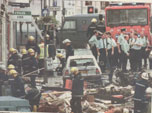
The explosion killed 29 people, including a woman pregnant with twins, and injured more than 300 others.
It was the single worst atrocity in the history of the troubles in Northern Ireland.
Mr Justice Barr told the wealthy publican and landowner, who also ran a large building firm until his arrest, that he was a proven liar, with a "long history" of violent republican activity.
He said admissions made by Murphy, which he later retracted, had a "firm ring of truth".
And the judges also rejected the withdrawal of evidence by Murphy's second cousin Terence Morgan.
During the 25-day trial the court heard that Murphy loaned his mobile phone to terrorists who bombed Banbridge, Co Down, a month before the attack on Omagh, which injured more than 35 people.
Senior prosecuting counsel, Peter Charleton, said: "Having aided in the Banbridge bombing, the accused lent his aid to persons he knew were doing a bombing run.
"As it happens, that run was to Omagh."
He added: "The accused was not present there. He did not carry the bomb there, but the evidence is capable of an inference that he aided in terms of the setting of the bomb, without necessarily knowing where it was going to be set off."
The judges accepted the indictment which read: "On August 14 1998, the accused borrowed a mobile phone from his foreman, Patrick Terence Morgan by way of subterfuge.
"He gave the latter phone and his own mobile phone to one Seamus Daly - a dissident republican terrorist in Dundalk that day."
Police arrested Murphy at his Dundalk home on February 21 1999, where they seized his mobile phone and telephone records.
Murphy would later claim that he was in his pub, The Emerald, in Dundalk, at the time of the bombing.
But experts from Vodafone, RUC officers and intelligence agents tracked the movements of Murphy's phone on the day of the attack.
His own mobile phone, and that of his foreman, Terence Morgan, which police said Murphy borrowed, were tracked from County Monaghan to Omagh and back again. The records showed that were 11 calls to and from Murphy's phone on the afternoon of the atrocity.
The court heard that Murphy's phone was used in Omagh at 1.57pm on the day of the explosion. Mr Morgan's mobile was used in the town at 2.09pm, less than an hour before the blast tore through Market Street.
During questioning Murphy told police that he thought the phones would be used by republicans to move rifles or "gear".
Mr Morgan was arrested at his Armagh home at the same time as Murphy, and his mobile phone was also seized. Mr Morgan was later released without charge.
Despite the verdict, the prosecution suffered major setbacks during the trial.
Twenty days into the trial garda forensic scientist, Detective Geraldine Butler, testified that an electro-static detection apparatus (ESDA) test showed that a page of notes written while officers Liam Donnelly and John Fahy interviewed Murphy, had been rewritten.
After a defence application to have the case thrown out on the back of the revelation, the two men were deemed "discredited witnesses". Mr Justice Barr described their behaviour as "outrageous", allowed the trial to proceed.
Yesterday Mr Justice Barr said other officers in the case had acted with probity, and there was no reason to doubt their evidence.
On the penultimate day of the trial, Mr Morgan - a second cousin of Murphy - withdrew his evidence which implicated Murphy.
Mr Morgan returned to the witness box to change his story, saying garda officers had pressured him to say he had lent his mobile phone to Murphy.
He claimed that the phone had disappeared from the glove compartment of the building firm's van on the Friday before the bombing, and was rediscovered on the following Monday.
The judging panel concluded that Mr Morgan had displayed "a clear impression of discomfort and untruthfulness" when he was retracting his initial statement.
Despite the setbacks in the prosecution case Mr Justice Barr, accompanied by Judge Mary O'Halloran and Mr Justice Joseph Matthews, decided that Murphy was guilty of the conspiracy.
Defence counsel, Michael O'Higgins, said: "There are matters in the judgment that cause very great concern."
Mr Justice Barr said any grievances should be aired at an appeal.
As Murphy was led away the dock he waved to family members.
By Mark Sage
PA News
THE special criminal court in Dublin found publican Colm Murphy guilty of conspiring to cause the Omagh bombing yesterday.
The three-judge panel took eight days to reach the verdict. Murphy, who will be sentenced on Friday, faces a maximum penalty of life imprisonment.
Addressing Murphy (49), from Dundalk, Co Louth, Mr Justice Robert Barr said: "The accused is a republican terrorist of long standing, having been convicted of a series of offences of this nature in both this state and the United States and having served jail sentences."
Murphy, a father-of-four, showed no reaction as the verdict was delivered.
The only man to be charged in connection with the blast, Murphy was found to have landed over two mobile phones to an associate of a suspected senior Real IRA member plotting the attack.
The phones were used to transport the bomb to the market town in August 1998.
The explosion killed 29 people, including a woman pregnant with twins, and injured more than 300 others.
It was the single worst atrocity in the history of the troubles in Northern Ireland.
Mr Justice Barr told the wealthy publican and landowner, who also ran a large building firm until his arrest, that he was a proven liar, with a "long history" of violent republican activity.
He said admissions made by Murphy, which he later retracted, had a "firm ring of truth".
And the judges also rejected the withdrawal of evidence by Murphy's second cousin Terence Morgan.
During the 25-day trial the court heard that Murphy loaned his mobile phone to terrorists who bombed Banbridge, Co Down, a month before the attack on Omagh, which injured more than 35 people.
Senior prosecuting counsel, Peter Charleton, said: "Having aided in the Banbridge bombing, the accused lent his aid to persons he knew were doing a bombing run.
"As it happens, that run was to Omagh."
He added: "The accused was not present there. He did not carry the bomb there, but the evidence is capable of an inference that he aided in terms of the setting of the bomb, without necessarily knowing where it was going to be set off."
The judges accepted the indictment which read: "On August 14 1998, the accused borrowed a mobile phone from his foreman, Patrick Terence Morgan by way of subterfuge.
"He gave the latter phone and his own mobile phone to one Seamus Daly - a dissident republican terrorist in Dundalk that day."
Police arrested Murphy at his Dundalk home on February 21 1999, where they seized his mobile phone and telephone records.
Murphy would later claim that he was in his pub, The Emerald, in Dundalk, at the time of the bombing.
But experts from Vodafone, RUC officers and intelligence agents tracked the movements of Murphy's phone on the day of the attack.
His own mobile phone, and that of his foreman, Terence Morgan, which police said Murphy borrowed, were tracked from County Monaghan to Omagh and back again. The records showed that were 11 calls to and from Murphy's phone on the afternoon of the atrocity.
The court heard that Murphy's phone was used in Omagh at 1.57pm on the day of the explosion. Mr Morgan's mobile was used in the town at 2.09pm, less than an hour before the blast tore through Market Street.
During questioning Murphy told police that he thought the phones would be used by republicans to move rifles or "gear".
Mr Morgan was arrested at his Armagh home at the same time as Murphy, and his mobile phone was also seized. Mr Morgan was later released without charge.
Despite the verdict, the prosecution suffered major setbacks during the trial.
Twenty days into the trial garda forensic scientist, Detective Geraldine Butler, testified that an electro-static detection apparatus (ESDA) test showed that a page of notes written while officers Liam Donnelly and John Fahy interviewed Murphy, had been rewritten.
After a defence application to have the case thrown out on the back of the revelation, the two men were deemed "discredited witnesses". Mr Justice Barr described their behaviour as "outrageous", allowed the trial to proceed.
Yesterday Mr Justice Barr said other officers in the case had acted with probity, and there was no reason to doubt their evidence.
On the penultimate day of the trial, Mr Morgan - a second cousin of Murphy - withdrew his evidence which implicated Murphy.
Mr Morgan returned to the witness box to change his story, saying garda officers had pressured him to say he had lent his mobile phone to Murphy.
He claimed that the phone had disappeared from the glove compartment of the building firm's van on the Friday before the bombing, and was rediscovered on the following Monday.
The judging panel concluded that Mr Morgan had displayed "a clear impression of discomfort and untruthfulness" when he was retracting his initial statement.
Despite the setbacks in the prosecution case Mr Justice Barr, accompanied by Judge Mary O'Halloran and Mr Justice Joseph Matthews, decided that Murphy was guilty of the conspiracy.
Defence counsel, Michael O'Higgins, said: "There are matters in the judgment that cause very great concern."
Mr Justice Barr said any grievances should be aired at an appeal.
As Murphy was led away the dock he waved to family members.
Further Information
Publisher: THE IRISH NEWS
Ref: IN/0518
Published Date: 23-Jan-02
Related Images