OMAGH CONSPIRITOR WAS A SEASONED TERRORIST
Omagh conspirator was a 'seasoned terrorist'
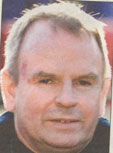
COLM Murphy, left, the only man to be convicted in connection with the Omagh bombing, was described in court as a "seasoned terrorist" and gun-runner, who has served jail sentences on both sides of the Atlantic for his role in terrorism.
Since his early 20s, Murphy worked for militant republicans, including the IRA and INLA.
The wealthy builder and publican was immediately under suspicion after the Omagh bomb tore through the county Tyrone market town on August 15 1998.
Some 29 people were killed in the blast on Market Street - excluding the unborn twins who perished with their mother.
Murphy was brought before Dublin's special criminal court after being charged with conspiracy to cause the blast. Yesterday the three judges found him guilty of that offence.
Some relatives of the Omagh dead were convinced of Murphy's guilt the first time they saw him.
Stanley McCombe, who lost his wife Ann in the blast, said: "At first sight I knew he was guilty as hell.
"He knew that many of the relatives of the dead were in court, he could feel the anger, and I could tell simply by the way he was sitting how guilty he felt.
"I was close to him in court and he made my blood boil.
"Words do not exist that describe the way I feel about him. Hate is too soft a word."
Murphy had appeared the special criminal court before. It was there in 1972 he was sentenced to two years for firearms offences.
He was imprisoned at the Curragh military prison but was soon on the run after a breakout that October.
He was recaptured in May 1973, but after his release he was again before the court in 1976 for firearms offences. On that occasion, he was jailed for three years. He was also sentenced to one year for membership of the IRA.
On his release, Murphy went to the US on a gun-running mission for the INLA. In July 1983, he was arrested as he attempted to buy M60 machine guns for shipment back to Ireland.
He was sentenced to five years in a US jail, but was released early and returned to Ireland in December 1985.
Murphy, originally from Co Armagh, moved to Dundalk where he set up his home and a pub - The Emerald.
He built up a large building firm, at one point employing 28 people who worked on major developments such as the International Financial Services Centre and Dublin City University. The firm folded after his arrest.
He also bought 30 acres of land at Dublin Road, Drogheda, Co Louth, and was wealthy enough to pay up IR�100,000 bail after being charged.
Police arrested Murphy at home on February 21 1999. It is believed that the "clean" phones he lent to the Omagh bombers were used in the 'bomb car and another in the 'scout car'.
Intelligence has also linked Murphy to the Army Council - or ruling body - of the splinter group, the Continuity IRA.
Officers also arrived at the home of Terence Morgan, the innocent owner of the other mobile phone.
By complex tracking techniques they were able to prove that the telephone; travelled to Omagh and back on the day of the bombing.
They also linked his mobile phone to the Banbridge bombing, the month before Omagh, which injured 35 people.
COLM Murphy, left, the only man to be convicted in connection with the Omagh bombing, was described in court as a "seasoned terrorist" and gun-runner, who has served jail sentences on both sides of the Atlantic for his role in terrorism.
Since his early 20s, Murphy worked for militant republicans, including the IRA and INLA.
The wealthy builder and publican was immediately under suspicion after the Omagh bomb tore through the county Tyrone market town on August 15 1998.
Some 29 people were killed in the blast on Market Street - excluding the unborn twins who perished with their mother.
Murphy was brought before Dublin's special criminal court after being charged with conspiracy to cause the blast. Yesterday the three judges found him guilty of that offence.
Some relatives of the Omagh dead were convinced of Murphy's guilt the first time they saw him.
Stanley McCombe, who lost his wife Ann in the blast, said: "At first sight I knew he was guilty as hell.
"He knew that many of the relatives of the dead were in court, he could feel the anger, and I could tell simply by the way he was sitting how guilty he felt.
"I was close to him in court and he made my blood boil.
"Words do not exist that describe the way I feel about him. Hate is too soft a word."
Murphy had appeared the special criminal court before. It was there in 1972 he was sentenced to two years for firearms offences.
He was imprisoned at the Curragh military prison but was soon on the run after a breakout that October.
He was recaptured in May 1973, but after his release he was again before the court in 1976 for firearms offences. On that occasion, he was jailed for three years. He was also sentenced to one year for membership of the IRA.
On his release, Murphy went to the US on a gun-running mission for the INLA. In July 1983, he was arrested as he attempted to buy M60 machine guns for shipment back to Ireland.
He was sentenced to five years in a US jail, but was released early and returned to Ireland in December 1985.
Murphy, originally from Co Armagh, moved to Dundalk where he set up his home and a pub - The Emerald.
He built up a large building firm, at one point employing 28 people who worked on major developments such as the International Financial Services Centre and Dublin City University. The firm folded after his arrest.
He also bought 30 acres of land at Dublin Road, Drogheda, Co Louth, and was wealthy enough to pay up IR�100,000 bail after being charged.
Police arrested Murphy at home on February 21 1999. It is believed that the "clean" phones he lent to the Omagh bombers were used in the 'bomb car and another in the 'scout car'.
Intelligence has also linked Murphy to the Army Council - or ruling body - of the splinter group, the Continuity IRA.
Officers also arrived at the home of Terence Morgan, the innocent owner of the other mobile phone.
By complex tracking techniques they were able to prove that the telephone; travelled to Omagh and back on the day of the bombing.
They also linked his mobile phone to the Banbridge bombing, the month before Omagh, which injured 35 people.
Further Information
Publisher: THE IRISH NEWS
Ref: IN/0517
Published Date: 23-Jan-02
Related Images