FIGHTING FOR THE INJURED AMIDST AWFUL CARNAGE
Fighting for the injured amidst awful carnage
A year after a Real IRA bomb ripped through Omagh town centre killing 29 people, Alan Erwin talked to four men whose heroic efforts helped to save some of those injured in the blast
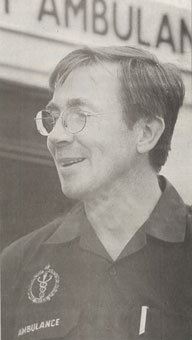
TYRONE County Hospital paramedic Derek Patterson was on a day's leave when he heard the blast.
Along with his wife and children, the 40-year-old was making the short journey from his home in the village of Fintona to do some shopping in Omagh.
After hearing the explosion he drove another couple of hundred metres before being confronted by the carnage.
There was a sense of disbelief, followed by complete hysteria," he recalls.
Within minutes he was in the midst of the mayhem, shuttling the injured to the nearby hospital.
At the time his thoughts were totally occupied with performing his job as quickly and as efficiently as possible.
A year on, however, there is anger in his voice as he reflects on what he was caught up in.
"Whenever I was treating some of the patients in the ambulance some had religious relics on them.
"It came to my mind that this is supposed to be a Christian country. How could anybody undertake to do such a horrendous thing?"
Derek still meets relatives of the deceased on a daily basis and, through his work, continues to be in contact with those injured in the bomb.
"You appreciate that you had nobody directly involved but you still grieve for the relatives," he admits.
Like everyone else who was connected with the events of August 15, the first anniversary will be an immensely difficult period. His own way of dealing with it will involve leaving the area for a few days.
"I would prefer to be away with my family to reflect on it and pray on a personal level. "It has been the most horrendous experience I have ever had and I would never like to even contemplate something like that happening again," he says.
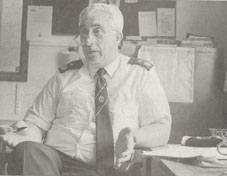
Derek's boss, western divisional officer Alan Cahill (56), was at home in Drumahoe Co Derry when he heard the news and immediately made his way to Omagh.
"When I arrived at where the explosion had taken place it was like a battlefield. All the injured had been taken away but the fatalities were still at the scene," he recalls.
He says his immediate thoughts were with the families of those who had gone out shopping, but who would never go home.
Alan's first task was to lift the deceased and take them to a holding centre at the nearby army barracks to carry out a body count.
After that the priority was to ensure the injured received treatment as soon as possible, whether at Tyrone County Hospital or elsewhere.
"We were working on two fronts, either treating the wounded or conveying them by helicopter to designated hospitals in other parts of the country.
"It was a constant rush with people being prioritised in wards and being transferred to other hospitals.
"We were moving against time. It was horrendous and I wouldn't want to see that repeated again.
"I have been in the service now for 29 years and have witnessed several explosions. But to see so many people lying in the street really got to me because you cannot do anything for them," he says.
Since the atrocity all ambulance crews involved have been offered counselling services, with many staff being forced to take leave due to stress.
Regular "debriefing sessions" are held to offer staff the opportunity to discuss what they went through on the day.
"The best thing for everybody is that you don't hold it inside," he insists.
Alan is full of praise for the sterling work of his men on the day of the bomb, but he is the first to admit that even with a total of 17 ambulance crews in attendance, further assistance was required.
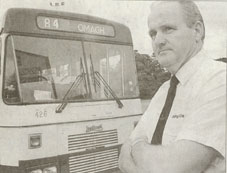
Three Ulsterbuses from the nearby depot were rushed to the scene, including one driven by Omagh man Michael McNally (41), who had driven past the site where the bomb exploded 10 minutes previously.
He remembers seeing a mass of people standing at the bottom of the street and when he got back to the depot being told there was a bomb at the courthouse.
"I knew it had been cleared so I wasn't too concerned. Then when the bomb went off the inspector told me they needed a bus to help lift the injured," he recalls.
Along with another bus driver, they headed for the bomb site.
"It was totally horrific. My initial reaction was one of shock. I didn't know which way to turn, but I tried to do what I could."
That involved helping between 30 and 40 screaming people onto the bus to ease the pressure on the first aid teams.
"As well as picking people up I was trying to get the walking wounded to hospital on the bus rather than fill up the ambulances who were under enough pressure.
"There were a lot of people I knew but even though I was shouting there names they didn't know who I was. It was an awful experience,"
Michael remembers a clutch of vehicles, including cars, vans and mini buses, coming to the scene as the general public tried to help in whatever way they could.
And although he later received a Pride of Britain award for bravery, Michael prefers to talk about the part played by others on the day.
"They will never get the recognition they deserve. Maybe they don't want it, but they did a wonderful job. People were arriving at hospital in cars and in the back of vans.
"Even though the hospital isn't far away it was the longest journey I have ever made.
"Women and children were so badly injured and there was so much blood. I just had to try to get them there as quickly as I could."
Both Michael and his inspector, Terry Dillon, admit the anniversary will be difficult.
"To be quite honest with you I don't know what memories it will bring back to me," Terry says.
"Of course you get flashbacks from time to time of some of the bodies. You just have to try to get on with things."
A year after a Real IRA bomb ripped through Omagh town centre killing 29 people, Alan Erwin talked to four men whose heroic efforts helped to save some of those injured in the blast
TYRONE County Hospital paramedic Derek Patterson was on a day's leave when he heard the blast.
Along with his wife and children, the 40-year-old was making the short journey from his home in the village of Fintona to do some shopping in Omagh.
After hearing the explosion he drove another couple of hundred metres before being confronted by the carnage.
There was a sense of disbelief, followed by complete hysteria," he recalls.
Within minutes he was in the midst of the mayhem, shuttling the injured to the nearby hospital.
At the time his thoughts were totally occupied with performing his job as quickly and as efficiently as possible.
A year on, however, there is anger in his voice as he reflects on what he was caught up in.
"Whenever I was treating some of the patients in the ambulance some had religious relics on them.
"It came to my mind that this is supposed to be a Christian country. How could anybody undertake to do such a horrendous thing?"
Derek still meets relatives of the deceased on a daily basis and, through his work, continues to be in contact with those injured in the bomb.
"You appreciate that you had nobody directly involved but you still grieve for the relatives," he admits.
Like everyone else who was connected with the events of August 15, the first anniversary will be an immensely difficult period. His own way of dealing with it will involve leaving the area for a few days.
"I would prefer to be away with my family to reflect on it and pray on a personal level. "It has been the most horrendous experience I have ever had and I would never like to even contemplate something like that happening again," he says.
Derek's boss, western divisional officer Alan Cahill (56), was at home in Drumahoe Co Derry when he heard the news and immediately made his way to Omagh.
"When I arrived at where the explosion had taken place it was like a battlefield. All the injured had been taken away but the fatalities were still at the scene," he recalls.
He says his immediate thoughts were with the families of those who had gone out shopping, but who would never go home.
Alan's first task was to lift the deceased and take them to a holding centre at the nearby army barracks to carry out a body count.
After that the priority was to ensure the injured received treatment as soon as possible, whether at Tyrone County Hospital or elsewhere.
"We were working on two fronts, either treating the wounded or conveying them by helicopter to designated hospitals in other parts of the country.
"It was a constant rush with people being prioritised in wards and being transferred to other hospitals.
"We were moving against time. It was horrendous and I wouldn't want to see that repeated again.
"I have been in the service now for 29 years and have witnessed several explosions. But to see so many people lying in the street really got to me because you cannot do anything for them," he says.
Since the atrocity all ambulance crews involved have been offered counselling services, with many staff being forced to take leave due to stress.
Regular "debriefing sessions" are held to offer staff the opportunity to discuss what they went through on the day.
"The best thing for everybody is that you don't hold it inside," he insists.
Alan is full of praise for the sterling work of his men on the day of the bomb, but he is the first to admit that even with a total of 17 ambulance crews in attendance, further assistance was required.
Three Ulsterbuses from the nearby depot were rushed to the scene, including one driven by Omagh man Michael McNally (41), who had driven past the site where the bomb exploded 10 minutes previously.
He remembers seeing a mass of people standing at the bottom of the street and when he got back to the depot being told there was a bomb at the courthouse.
"I knew it had been cleared so I wasn't too concerned. Then when the bomb went off the inspector told me they needed a bus to help lift the injured," he recalls.
Along with another bus driver, they headed for the bomb site.
"It was totally horrific. My initial reaction was one of shock. I didn't know which way to turn, but I tried to do what I could."
That involved helping between 30 and 40 screaming people onto the bus to ease the pressure on the first aid teams.
"As well as picking people up I was trying to get the walking wounded to hospital on the bus rather than fill up the ambulances who were under enough pressure.
"There were a lot of people I knew but even though I was shouting there names they didn't know who I was. It was an awful experience,"
Michael remembers a clutch of vehicles, including cars, vans and mini buses, coming to the scene as the general public tried to help in whatever way they could.
And although he later received a Pride of Britain award for bravery, Michael prefers to talk about the part played by others on the day.
"They will never get the recognition they deserve. Maybe they don't want it, but they did a wonderful job. People were arriving at hospital in cars and in the back of vans.
"Even though the hospital isn't far away it was the longest journey I have ever made.
"Women and children were so badly injured and there was so much blood. I just had to try to get them there as quickly as I could."
Both Michael and his inspector, Terry Dillon, admit the anniversary will be difficult.
"To be quite honest with you I don't know what memories it will bring back to me," Terry says.
"Of course you get flashbacks from time to time of some of the bodies. You just have to try to get on with things."
Further Information
Publisher: THE IRISH NEWS
Ref: IN/0299
Published Date: 11-Aug-99
Related Images