A SHATTERED TOWN TRIES TO PICK UP THE PIECES
A shattered town tries to pick up the pieces
Steven McCaffery In Omagh
THEY came in their tens of thousands.
They came to remember.
For the first time in a week heavy with heartache, Saturday's ceremony was a chance for ordinary people in Omagh to do something, to do anything.
But when the praying ended and the music stopped, the crowd stared up towards the steps of the town's court house. The dignitaries, the churchmen and the bereaved gathered there, stared back.
The microphone stand, framed by a brilliant red velvet backdrop that hung from the courthouse, stood alone and vacant.
A silence as heavy as that which shrouded the tenth minute after three -the moment the bomb went off - fell on the crowd again.
"Look, said a young woman near the front, "No one knows what to do...."
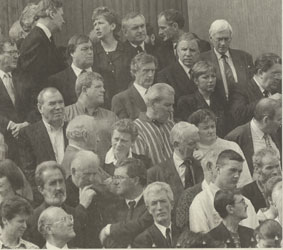
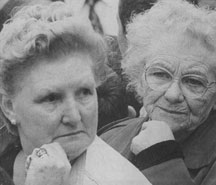
A tapestry of faces, some tear stained, all distraught, ran from the steps of the court house, down along the undulating High Street and back to the security screen that blocked-off the bomb scene.
They looked towards the court house. As a gentle breeze brought grey clouds over the shoulder of the high building, the left and cast its light across the faces of the bereaved families.
Bertie Ahern could be seen staring down from his position behind them on the court steps, a hand stiffly pressing his forehead.
After an hour of unravelling where they had come from, the people now wondered where they were going to....
During the drive from Belfast to Omagh the sun was shining. It did not seem right.
On the car radio the BBC was replaying interviews from the week before. The bereaved, the traumatised spoke again. The carnage was recalled - lost limbs, lost lives, broken families, tears from those whose hearts, they said, might never heal.
A week had passed - was it only a week?
The road signs for Omagh began to appear. Omagh - the word translated from Irish to mean the Virgin Plains. Would it now become a by-word for bereavement, or shorthand for hope in the face of adversity.
People had arrived in the town from four and even five hours before the remembrance service. By lunchtime High Street was packed. How many of those people were there last week, shopping, talking....
"It is just too incredible to take in yet," said one woman. "There is a kind of awe about the place."
The police allowed Romayne Wright, who had travelled from Belfast, to sit on the steps of a shop front, outside the crush-barrier. A sufferer of the disabling condition Fibromyalgia, she tucked her crutches behind her and stared at the faces that packed High Street.
"You cannot see the dip in the street on television," she said, staring towards the bomb scene. "It is so far away from the court house. That bomb warning could never have been good enough. Why didn't they warn the people when they got out of that car?"
She had struggled along the rise and dip of the street and spoke of those maimed in the blast. How will they manage it?
A tense atmosphere was pricked by the opening of the service.
"It is Saturday again..." began Fr Kevin Mullan.
There had been appeals on the public address system for the crowds gathered in side streets not to press into High Street. The huge crowd listened as speakers in English, Irish and Spanish, prayed.
Later, all were invited to sing.
"The Lord is my shepherd, I shall not want...."
A young woman pulled a toddler close to her, her other hand steadily rocking a pram.
"In pastures green he leadeth me...."
Behind the young mum an old man wiped away a tear. He pulled his grey cardigan tighter around him... (keep moving, don't concentrate too hard, you can control the tears..).
"Yea, though I walk in death's dark vale...."
More prayers, then it was the turn of local girl Julie Turner to do her town proud. She played guitar and sang of "broken things", sending aching sounds across the fields of faces below her.
The sound sailed up High Street passed Watterson's and the Oxfam shop - set apart from the other stores by the rows of flowers laid at their doors.
Watterson's lost three staff. The Oxfam shop was where two teenage girls spent their final moments, working to help the needy of a distant desolate land.
Both shops were untouched by the blast. All five had run towards the bomb.
The service could be heard faintly from the Strule Bridge, separated from the town centre now by the security cordon blocking either end of Market Street.
Flowers flow from one side of the bridge to the other. They carry messages from Dublin, from a team of gardai in Limerick, from London, Egypt, nearby Enniskillen. There were teddy bears for "God's innocent angels". And at the centre of the bridge someone had nestled a crown of thorns among the tributes.
At the end of the bridge a small placard carries the only bitter words.
"To the bastards who did this - your day will come. Watch your backs. Ireland is united against you."
Back at the court house, the names of the dead were read. The words pounded out across the crowd, with the reader pausing to pay special attention to the twins carried by Avril Monaghan. The bomb claimed 30 lives.
As the court house clock reached ten past three silence fell. A moment of reflection.
In a land where many have clung to political ideology, the people of Omagh clung only to each other.
When the service ended, the crowd waited. It paused for that long moment, before deciding to step forward.
A line had been drawn. The town carrying the biggest single burden of the troubles paused, then did all that it really could. The people put one foot in front of the other and hoped for the best.
Steven McCaffery In Omagh
THEY came in their tens of thousands.
They came to remember.
For the first time in a week heavy with heartache, Saturday's ceremony was a chance for ordinary people in Omagh to do something, to do anything.
But when the praying ended and the music stopped, the crowd stared up towards the steps of the town's court house. The dignitaries, the churchmen and the bereaved gathered there, stared back.
The microphone stand, framed by a brilliant red velvet backdrop that hung from the courthouse, stood alone and vacant.
A silence as heavy as that which shrouded the tenth minute after three -the moment the bomb went off - fell on the crowd again.
"Look, said a young woman near the front, "No one knows what to do...."
A tapestry of faces, some tear stained, all distraught, ran from the steps of the court house, down along the undulating High Street and back to the security screen that blocked-off the bomb scene.
They looked towards the court house. As a gentle breeze brought grey clouds over the shoulder of the high building, the left and cast its light across the faces of the bereaved families.
Bertie Ahern could be seen staring down from his position behind them on the court steps, a hand stiffly pressing his forehead.
After an hour of unravelling where they had come from, the people now wondered where they were going to....
During the drive from Belfast to Omagh the sun was shining. It did not seem right.
On the car radio the BBC was replaying interviews from the week before. The bereaved, the traumatised spoke again. The carnage was recalled - lost limbs, lost lives, broken families, tears from those whose hearts, they said, might never heal.
A week had passed - was it only a week?
The road signs for Omagh began to appear. Omagh - the word translated from Irish to mean the Virgin Plains. Would it now become a by-word for bereavement, or shorthand for hope in the face of adversity.
People had arrived in the town from four and even five hours before the remembrance service. By lunchtime High Street was packed. How many of those people were there last week, shopping, talking....
"It is just too incredible to take in yet," said one woman. "There is a kind of awe about the place."
The police allowed Romayne Wright, who had travelled from Belfast, to sit on the steps of a shop front, outside the crush-barrier. A sufferer of the disabling condition Fibromyalgia, she tucked her crutches behind her and stared at the faces that packed High Street.
"You cannot see the dip in the street on television," she said, staring towards the bomb scene. "It is so far away from the court house. That bomb warning could never have been good enough. Why didn't they warn the people when they got out of that car?"
She had struggled along the rise and dip of the street and spoke of those maimed in the blast. How will they manage it?
A tense atmosphere was pricked by the opening of the service.
"It is Saturday again..." began Fr Kevin Mullan.
There had been appeals on the public address system for the crowds gathered in side streets not to press into High Street. The huge crowd listened as speakers in English, Irish and Spanish, prayed.
Later, all were invited to sing.
"The Lord is my shepherd, I shall not want...."
A young woman pulled a toddler close to her, her other hand steadily rocking a pram.
"In pastures green he leadeth me...."
Behind the young mum an old man wiped away a tear. He pulled his grey cardigan tighter around him... (keep moving, don't concentrate too hard, you can control the tears..).
"Yea, though I walk in death's dark vale...."
More prayers, then it was the turn of local girl Julie Turner to do her town proud. She played guitar and sang of "broken things", sending aching sounds across the fields of faces below her.
The sound sailed up High Street passed Watterson's and the Oxfam shop - set apart from the other stores by the rows of flowers laid at their doors.
Watterson's lost three staff. The Oxfam shop was where two teenage girls spent their final moments, working to help the needy of a distant desolate land.
Both shops were untouched by the blast. All five had run towards the bomb.
The service could be heard faintly from the Strule Bridge, separated from the town centre now by the security cordon blocking either end of Market Street.
Flowers flow from one side of the bridge to the other. They carry messages from Dublin, from a team of gardai in Limerick, from London, Egypt, nearby Enniskillen. There were teddy bears for "God's innocent angels". And at the centre of the bridge someone had nestled a crown of thorns among the tributes.
At the end of the bridge a small placard carries the only bitter words.
"To the bastards who did this - your day will come. Watch your backs. Ireland is united against you."
Back at the court house, the names of the dead were read. The words pounded out across the crowd, with the reader pausing to pay special attention to the twins carried by Avril Monaghan. The bomb claimed 30 lives.
As the court house clock reached ten past three silence fell. A moment of reflection.
In a land where many have clung to political ideology, the people of Omagh clung only to each other.
When the service ended, the crowd waited. It paused for that long moment, before deciding to step forward.
A line had been drawn. The town carrying the biggest single burden of the troubles paused, then did all that it really could. The people put one foot in front of the other and hoped for the best.
Further Information
Publisher: THE IRISH NEWS
Ref: IN/0178
Published Date: 24-Aug-98
Related Images