50/50 POLICE RECRUITING WAS A NECESSARY EVIL
50/50 police recruiting was 'a necessary evil'
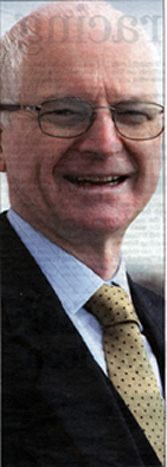
Sir Desmond Rea who steps down as chairman of the Policing Board talks to Deborah McAleese about the progress made and challenges to be faced
NOVEMBER 4, 2001 marked the beginning of a new era for policing in Northern Ireland. The Royal Ulster Constabulary became the Police Service of Northern Ireland and the powers of the new cross-community Policing Board were constituted.
The establishment of the Policing Board under the Patten Commission - which made sweeping proposals to overhaul policing here in 1999 - was considered one of the most crucial steps in setting up the new Northern Ireland Police Service.
Sir Desmond Rea, who this week stepped down as board chairman - a position he has held since the board's inception - said one of the most controversial but critical issues for Patten was 50/50 selection and while he believes selection is on track he would like to see more Catholics moving up into higher levels of the PSNI.
"There were some things in Patten that were controversial - 50/50 has always been controversial. It has been in my view a necessary evil to take us where we are. First and foremost the police service should be representative of the community it is seeking to serve and we are on track," he said.
"There has got to be a filtering up through the ranks in terms of more Catholics and nationalists/republicans at higher levels, but that will come in time, equally the same issue with women. This board would also like people within ethnic minority groups, not just joining but in more senior positions."
Many of the most senior police officers have left in recent years through the Patten severance scheme, causing concern for some Policing Board members over the level of modern policing experience. However, Sir Desmond, who is planning to stay on as a board member for another two years, said he does not believe this concern is justified.
He said: "In order to do the 50/50 and process it, people had to come in and people had to leave. Overall, this has been done in a logical and orderly way but it is undoubtedly true we have lost some very talented people. However, I am amazed at how many talented people are in this organisation. I'm not concerned about the levels of experience. Having said that we have lost people above all on the detective side and we have sought to try and address that and we are on the course of trying to address that."
Community policing is very much at the fore of PSNI and Policing Board policy. Last month the board held its first public meeting in Irish and Sir Desmond said it could pave the way for a meeting to be held in another language, such as Polish, if the group requesting it was large enough.
But the heightened dissident threat is a challenge for the PSNI in the delivery of community policing. It has also led to increased public and political scrutiny of policing methods.
A decision by the Chief Constable to request assistance from a small number of soldiers from the Army's Special Reconnaissance Unit without informing the Policing Board was criticised by deputy First Minister Martin McGuinness. However, Sir Desmond said he does not expect the Chief Constable to keep the board informed on all decisions he makes, particular sensitive security decisions.
"I wasn't annoyed. He makes his judgment and given what transpired after that particular information came into the public sphere I don't hear anyone questioning his judgment. There are areas where he might have taken me aside and given me a confidential briefing but on that occasion he did not do so. But I would not have expected him to have done so. That is an area that is complex and intelligence-led," he said.
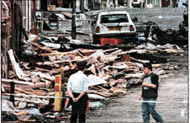
One of the biggest disappointments during his time as chairman was the police failure to secure any convictions for the Omagh bomb. "This was also a disappointment for the Chief Constable and the police. The pain and disappointment of the victims and their relatives is palpable," Sir Desmond said.
One of the biggest highlights of Sir Desmond's Policing Board career came on St Patrick's Day in Washington when President Obama met with him and the Chief Constable to mark the progress made in policing in Northern Ireland.
"We have come a long way in Northern Ireland and that was a wonderful moment, when the President acknowledged this progress," he said.
Sir Desmond Rea who steps down as chairman of the Policing Board talks to Deborah McAleese about the progress made and challenges to be faced
NOVEMBER 4, 2001 marked the beginning of a new era for policing in Northern Ireland. The Royal Ulster Constabulary became the Police Service of Northern Ireland and the powers of the new cross-community Policing Board were constituted.
The establishment of the Policing Board under the Patten Commission - which made sweeping proposals to overhaul policing here in 1999 - was considered one of the most crucial steps in setting up the new Northern Ireland Police Service.
Sir Desmond Rea, who this week stepped down as board chairman - a position he has held since the board's inception - said one of the most controversial but critical issues for Patten was 50/50 selection and while he believes selection is on track he would like to see more Catholics moving up into higher levels of the PSNI.
"There were some things in Patten that were controversial - 50/50 has always been controversial. It has been in my view a necessary evil to take us where we are. First and foremost the police service should be representative of the community it is seeking to serve and we are on track," he said.
"There has got to be a filtering up through the ranks in terms of more Catholics and nationalists/republicans at higher levels, but that will come in time, equally the same issue with women. This board would also like people within ethnic minority groups, not just joining but in more senior positions."
Many of the most senior police officers have left in recent years through the Patten severance scheme, causing concern for some Policing Board members over the level of modern policing experience. However, Sir Desmond, who is planning to stay on as a board member for another two years, said he does not believe this concern is justified.
He said: "In order to do the 50/50 and process it, people had to come in and people had to leave. Overall, this has been done in a logical and orderly way but it is undoubtedly true we have lost some very talented people. However, I am amazed at how many talented people are in this organisation. I'm not concerned about the levels of experience. Having said that we have lost people above all on the detective side and we have sought to try and address that and we are on the course of trying to address that."
Community policing is very much at the fore of PSNI and Policing Board policy. Last month the board held its first public meeting in Irish and Sir Desmond said it could pave the way for a meeting to be held in another language, such as Polish, if the group requesting it was large enough.
But the heightened dissident threat is a challenge for the PSNI in the delivery of community policing. It has also led to increased public and political scrutiny of policing methods.
A decision by the Chief Constable to request assistance from a small number of soldiers from the Army's Special Reconnaissance Unit without informing the Policing Board was criticised by deputy First Minister Martin McGuinness. However, Sir Desmond said he does not expect the Chief Constable to keep the board informed on all decisions he makes, particular sensitive security decisions.
"I wasn't annoyed. He makes his judgment and given what transpired after that particular information came into the public sphere I don't hear anyone questioning his judgment. There are areas where he might have taken me aside and given me a confidential briefing but on that occasion he did not do so. But I would not have expected him to have done so. That is an area that is complex and intelligence-led," he said.
One of the biggest disappointments during his time as chairman was the police failure to secure any convictions for the Omagh bomb. "This was also a disappointment for the Chief Constable and the police. The pain and disappointment of the victims and their relatives is palpable," Sir Desmond said.
One of the biggest highlights of Sir Desmond's Policing Board career came on St Patrick's Day in Washington when President Obama met with him and the Chief Constable to mark the progress made in policing in Northern Ireland.
"We have come a long way in Northern Ireland and that was a wonderful moment, when the President acknowledged this progress," he said.
Further Information
Publisher: BELFAST TELEGRAPH
Ref: BT/1139
Published Date: 02-Jun-09
Related Images