WE DON'T WANT AN OBELISK WE WANT THE MURDERERS JAILED
We don't want an obelisk, we want the murderers jailed'
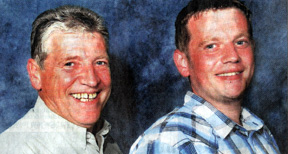
Ann McCombe was one of Omagh's 29 victims, and left a husband, Stanley, and sons, Clive and Colin. Stanley tells Jane Hardy about his grief and campaign for justice, while Clive speaks about losing his mum
Stanley McCombe (60), a retired electrician, lost his wife Ann in the Omagh bombing. They have two sons, Clive (32) and Colin (28). He says:
This year, the Omagh Self-Help Group will hold its own ceremony at the memorial garden on Sunday. We're not going to the opening on Friday, with all that hullabaloo about a memorial obelisk. I'm not really keen on these monstrosities of poles with reflecting mirrors, to be honest. It's not what I want, what I want is the murderers to be found.
Ann meant the world to me. She was glamorous and kind and cared about everybody, especially the elderly. As her mum and dad got older, they were living almost beside us. They died about a year and a half before Ann and that was a blessing.
I find it good to talk about what happened to Ann. It's a subject that is always alive in me, as I'm trying to fight for justice and to pursue Ann's murderers. But deep down, I don't feel anyone will go to prison for what happened. We've been fighting this battle for nine years, and there's an awful lot of hate in my heart for those people, although I never hated anyone before.
A trauma team was set up after the bombing, and I was involved with that for the first year. I'd just retired from my job with NIE. Both Michael Gallagher, who lost his son in the bombing, and I spent days with the team. But I didn't find it helpful; I was just reliving it all over again.
That's one of the reasons we founded the self-help group. Also, I felt the need to fight what was going on in the country. It seemed as if the Irish and British and Northern Irish government were on one side, and we were on the other pursuing justice. At the same time, we were fighting to get on with our lives. I had a home and two boys to look after - it would have been easy for the boys to get into the wrong company, even though peace was breaking out. Suddenly as a single parent I could have done with help when it came to housework or buying groceries, but none appeared to be forthcoming.
My memories of the day Ann died are still vivid. I was a piper with a band, and my son Clive was a drummer. We'd been going to Glasgow on this particular weekend for years. We always travelled on the Thursday, then relaxed on the Friday, ready for the big day on the Saturday. It's ironic that at three o'clock, around the time the bomb went off, we were just about to start playing.
After we'd played, I went to the first aid tent as I had an abscess on my arm. At about twenty past or half past three, we heard some news filtering through that there'd been a bomb in Omagh. But they said it was at the courthouse.
Knowing Ann, if there was a bomb scare, she'd have tried to get away. Twenty minutes on, I met people from around Omagh who said the bomb had been at the bottom of the town. Then it started to filter through that people had been killed. Veda Short was the first name we heard - and she worked with Ann at Watterson's.
Clive went to use the pub's phone but couldn't get through. The barman was from Strabane and told us six people had been killed.
I couldn't tell you who won anything in the competition, my mind wasn't on it. We went to the coach to go to our hotel in Ayr. The coach driver told me my sister Rosemary, the senior traffic warden and 30 yards away from the bomb, was badly injured and might be dead. I went to pieces when I heard that.
Back at the hotel, the manager offered us the use of his office phones. My head was in a swirl. Then, somebody said Rosemary was injured but still alive, which put my mind at ease a bit. Some time after eight o'clock, I got a call from my brother telling me that my other son Colin was at home, but Ann was missing. I said: "Well, if Ann's missing, she's probably helping someone who's injured." I thought at least that was one Godsend - that Colin was safe. Around 11, Clive got through to my brother.
The Rev Myers had gone to the temporary morgue and identified Ann. I was in my room with my twin brother Leslie and five or six friends. Clive came in, and he didn't have to say anything. After that, I just didn't know what to do, where to turn. They got us the first sailing out, at 4am the next day. It was the worst journey of my life. When we arrived back in Omagh at 9am the feeling of death was all round the place.
We had to get Ann home. She'd always said, and this was typically Ann: "If anything ever happens to me, I don't want anybody looking at me if my hair and make-up aren't done." If those b*****ds could only see the way they left Ann. Her remains didn't come home until the Tuesday. I've never seen a funeral at our church as big as Ann's. People came from all over Northern Ireland. One gentleman from America even walked the four and a half miles to Mountjoy Church."
Clive McCombe works in engineering and lives in Omagh with his father and brother. He says:
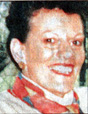
My mother (right) was always there and we had our clothes washed and pressed. We never had to do anything. She took care of everybody. She'd have helped us with our schoolwork, too. We'd do things together as a family and, when I was younger, we'd go down to Mountjoy on a Sunday over the fields, which is a nice wee walk.
On the day itself, I had a mobile with me, but you just couldn't get through to get news.
The lines were either busy or dead. Later that night, at around 11pm, we went back to the hotel. I'd been trying all evening to phone numbers. I phoned my best mate Brian in Omagh, it was his birthday, and he didn't want to talk. Because there were rumours about who was among the victims, he didn't know how to talk to me.
Finally, I got through to my uncle David who lives four doors down from us, and when he heard my voice, he dropped the phone and didn't speak. Then, the Rev Myers came on. I said: "Look, is mum alive?" He said: "Your mum's gone." As soon as he said that, I dropped the phone. Things went fuzzy. A cousin, Olwen McCombe, came into the room, and we went back to dad's hotel room. What was really bad was that we were stranded and couldn't easily get information.
Earlier on in the day, after the piping competition, I'd gone to the pub to phone home. I thought if I got a landline, there would be a better chance. I saw pictures of Omagh on the news on the pub TV and it didn't look good.
The explosion was about 40 yards from the pub I worked in at weekends, and I would never have been more than 50 or 60 yards from it.
The Scott & Ewing is at the junction of Market Street, and I would have been walking out the door maybe, doing messages for people, and that made me feel horrible. I could have been a victim, too. It's a small town and I knew an awful lot of the people who'd been killed and injured.
Anniversaries like the 10th are no different from any other day, the loss of mum is always there. And I feel let down, big time, by the British Government who don't seem to want to catch those people.
You look at our country which is so small in population, yet after the London bombings, in a bigger country, they identified the people within days.
You'd feel a lot of relief if they caught them; there'd be someone to direct your anger at. I still live at home, and I think if my mother had been alive, I'd probably have gone away. I had plans to go to Canada or somewhere else.
In a way, my life has been put on hold. Afterwards, we had counselling but it didn't work for me.
I don't think you can counsel anyone through anything you haven't gone through yourself. It was no good to us. Basically, what helps is friends and family, that's it. Without my mates, I wouldn't be here. I could have had a wild time and got involved with all sorts of things, it passed through my mind. My brother has had gambling problems, but I balance things out.
I have been back once to Scotland, but coming home was especially hard. I remember all of the original journey back, coming into Omagh, turning into the Dublin Road, past my high school and my primary school, with not a bird in the sky. It was freaky.
But I need closure now, a face to look at and say: 'That's who we blame'."
Ann McCombe was one of Omagh's 29 victims, and left a husband, Stanley, and sons, Clive and Colin. Stanley tells Jane Hardy about his grief and campaign for justice, while Clive speaks about losing his mum
Stanley McCombe (60), a retired electrician, lost his wife Ann in the Omagh bombing. They have two sons, Clive (32) and Colin (28). He says:
This year, the Omagh Self-Help Group will hold its own ceremony at the memorial garden on Sunday. We're not going to the opening on Friday, with all that hullabaloo about a memorial obelisk. I'm not really keen on these monstrosities of poles with reflecting mirrors, to be honest. It's not what I want, what I want is the murderers to be found.
Ann meant the world to me. She was glamorous and kind and cared about everybody, especially the elderly. As her mum and dad got older, they were living almost beside us. They died about a year and a half before Ann and that was a blessing.
I find it good to talk about what happened to Ann. It's a subject that is always alive in me, as I'm trying to fight for justice and to pursue Ann's murderers. But deep down, I don't feel anyone will go to prison for what happened. We've been fighting this battle for nine years, and there's an awful lot of hate in my heart for those people, although I never hated anyone before.
A trauma team was set up after the bombing, and I was involved with that for the first year. I'd just retired from my job with NIE. Both Michael Gallagher, who lost his son in the bombing, and I spent days with the team. But I didn't find it helpful; I was just reliving it all over again.
That's one of the reasons we founded the self-help group. Also, I felt the need to fight what was going on in the country. It seemed as if the Irish and British and Northern Irish government were on one side, and we were on the other pursuing justice. At the same time, we were fighting to get on with our lives. I had a home and two boys to look after - it would have been easy for the boys to get into the wrong company, even though peace was breaking out. Suddenly as a single parent I could have done with help when it came to housework or buying groceries, but none appeared to be forthcoming.
My memories of the day Ann died are still vivid. I was a piper with a band, and my son Clive was a drummer. We'd been going to Glasgow on this particular weekend for years. We always travelled on the Thursday, then relaxed on the Friday, ready for the big day on the Saturday. It's ironic that at three o'clock, around the time the bomb went off, we were just about to start playing.
After we'd played, I went to the first aid tent as I had an abscess on my arm. At about twenty past or half past three, we heard some news filtering through that there'd been a bomb in Omagh. But they said it was at the courthouse.
Knowing Ann, if there was a bomb scare, she'd have tried to get away. Twenty minutes on, I met people from around Omagh who said the bomb had been at the bottom of the town. Then it started to filter through that people had been killed. Veda Short was the first name we heard - and she worked with Ann at Watterson's.
Clive went to use the pub's phone but couldn't get through. The barman was from Strabane and told us six people had been killed.
I couldn't tell you who won anything in the competition, my mind wasn't on it. We went to the coach to go to our hotel in Ayr. The coach driver told me my sister Rosemary, the senior traffic warden and 30 yards away from the bomb, was badly injured and might be dead. I went to pieces when I heard that.
Back at the hotel, the manager offered us the use of his office phones. My head was in a swirl. Then, somebody said Rosemary was injured but still alive, which put my mind at ease a bit. Some time after eight o'clock, I got a call from my brother telling me that my other son Colin was at home, but Ann was missing. I said: "Well, if Ann's missing, she's probably helping someone who's injured." I thought at least that was one Godsend - that Colin was safe. Around 11, Clive got through to my brother.
The Rev Myers had gone to the temporary morgue and identified Ann. I was in my room with my twin brother Leslie and five or six friends. Clive came in, and he didn't have to say anything. After that, I just didn't know what to do, where to turn. They got us the first sailing out, at 4am the next day. It was the worst journey of my life. When we arrived back in Omagh at 9am the feeling of death was all round the place.
We had to get Ann home. She'd always said, and this was typically Ann: "If anything ever happens to me, I don't want anybody looking at me if my hair and make-up aren't done." If those b*****ds could only see the way they left Ann. Her remains didn't come home until the Tuesday. I've never seen a funeral at our church as big as Ann's. People came from all over Northern Ireland. One gentleman from America even walked the four and a half miles to Mountjoy Church."
Clive McCombe works in engineering and lives in Omagh with his father and brother. He says:
My mother (right) was always there and we had our clothes washed and pressed. We never had to do anything. She took care of everybody. She'd have helped us with our schoolwork, too. We'd do things together as a family and, when I was younger, we'd go down to Mountjoy on a Sunday over the fields, which is a nice wee walk.
On the day itself, I had a mobile with me, but you just couldn't get through to get news.
The lines were either busy or dead. Later that night, at around 11pm, we went back to the hotel. I'd been trying all evening to phone numbers. I phoned my best mate Brian in Omagh, it was his birthday, and he didn't want to talk. Because there were rumours about who was among the victims, he didn't know how to talk to me.
Finally, I got through to my uncle David who lives four doors down from us, and when he heard my voice, he dropped the phone and didn't speak. Then, the Rev Myers came on. I said: "Look, is mum alive?" He said: "Your mum's gone." As soon as he said that, I dropped the phone. Things went fuzzy. A cousin, Olwen McCombe, came into the room, and we went back to dad's hotel room. What was really bad was that we were stranded and couldn't easily get information.
Earlier on in the day, after the piping competition, I'd gone to the pub to phone home. I thought if I got a landline, there would be a better chance. I saw pictures of Omagh on the news on the pub TV and it didn't look good.
The explosion was about 40 yards from the pub I worked in at weekends, and I would never have been more than 50 or 60 yards from it.
The Scott & Ewing is at the junction of Market Street, and I would have been walking out the door maybe, doing messages for people, and that made me feel horrible. I could have been a victim, too. It's a small town and I knew an awful lot of the people who'd been killed and injured.
Anniversaries like the 10th are no different from any other day, the loss of mum is always there. And I feel let down, big time, by the British Government who don't seem to want to catch those people.
You look at our country which is so small in population, yet after the London bombings, in a bigger country, they identified the people within days.
You'd feel a lot of relief if they caught them; there'd be someone to direct your anger at. I still live at home, and I think if my mother had been alive, I'd probably have gone away. I had plans to go to Canada or somewhere else.
In a way, my life has been put on hold. Afterwards, we had counselling but it didn't work for me.
I don't think you can counsel anyone through anything you haven't gone through yourself. It was no good to us. Basically, what helps is friends and family, that's it. Without my mates, I wouldn't be here. I could have had a wild time and got involved with all sorts of things, it passed through my mind. My brother has had gambling problems, but I balance things out.
I have been back once to Scotland, but coming home was especially hard. I remember all of the original journey back, coming into Omagh, turning into the Dublin Road, past my high school and my primary school, with not a bird in the sky. It was freaky.
But I need closure now, a face to look at and say: 'That's who we blame'."
Further Information
Publisher: BELFAST TELEGRAPH
Ref: BT10An/17
Published Date: 13-Aug-08
Related Images