THE SCENE WAS UNIMAGINABLE IT'S NOT SOMETHING YOU CAN EVER PICTURE
The scene was unimaginable, it's not something you can ever picture
BY DAVID YOUNG newseditor@belfasttelegraph.co.uk
WITHIN seconds of the Omagh bomb exploding, the largest emergency operation in Northern Ireland's history got under way.
Twenty-one people died instantly but more than 300 others lay injured in the rubble of Market Street.
Less than a mile away, staff at the Tyrone County Hospital would soon be swamped with casualties and relatives frantically looking for missing loved ones.
Ten years on, some of those involved at the explosion site and the hospital relive their experiences.
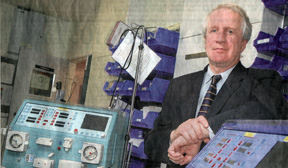
DR GARRETT was on-call at the hospital that Saturday. He lived eight miles outside the town. If a major incident occurred it was his job to put the emergency response plan into operation.
"I was at home late lunchtime and just relaxing when a call came through from the switchboard that there was a major emergency and to come in immediately.
"To be honest I almost certainly thought this was a dry run (of the emergency action plan) because we had had a dry run that Monday which, interestingly enough, had demonstrated some problems with our system, which we had then rectified. At the hospital I just discovered a really horrific scene.
"First thing I saw when I got to the hospital was an Ulsterbus single decker parked outside Accident and Emergency. My first thought was because the last disaster that happened in these parts was the bomb in Ballygawley (in 1988), and there was a bus involved in that, I thought maybe there was a bomb on the bus and they had just driven it straight here.
"A&E was covered in blood, the floor was covered in blood, it was a scene of carnage with very severely damaged young people undergoing resuscitation procedures. Accident and Emergency was completely choc-a-block.
"There were many fatalities at the scene and a number of patients arrived at the hospital already dead. But we lost only two cases who had arrived alive in the hospital. I think that is very strong testament to the quality of work that went on.
"The severity of the injuries suffered by both the fatalities and the injured were very, very great and quite horrifying. It was very difficult for the many members of staff who were not used to dealing with trauma, many of these people had come from all around and helped out.
"The scene was unimaginable, it's not something you can ever picture. What was absolutely horrifying was the fact that Omagh is such a small town and the people who were directly involved were known to many of the staff.
"Also so many of the them were young people, at least half the fatalities were youngsters and teenagers just starting out in life, and that was very difficult for everybody to deal with."
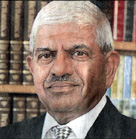
NOW retired, Mr Pinto was the senior surgeon at the hospital. He was playing golf with his son at the nearby Omagh Golf Club when he heard the explosion. Without waiting for a call he headed straight to the hospital.
"It was just like a battlefield, they were everywhere, along the corridors, on the floor, you just can't describe it, people were just pouring in. I believe there was a bus, somebody commandeered the Ulsterbus, which is only next door to where it happened.
"The bomb was literally about three quarters of a mile so there was walking wounded as well. It was initially pandemonium.
"But fortunately this was the people of Omagh and this was their hospital and the nurses and doctors who were looking after them were family and friends.
"So yes, there was panic at the beginning but everyone listened to what you had to say and we were able to control it very quickly. As I was the senior surgeon the first thing was to prioritise because I could see there were injuries that had to be sent somewhere else.
"A number of people had died at the scene. Of the injured at the hospital you had a lot of lower limb injuries, a lot of shrapnel injures, some to the chest. We had a lot of limb injuries but we had severe abdominal injuries too and head injuries.
"The thing was you actually saw people who you knew and they were looking to you and saying what are you doing for me?
"In a professional way you couldn't get involved, you had to get down professionally and deal with whatever was needed at the time.
"It's only on reflection that you realise there were very close friends of mine there. One who lost a child, the other was badly injured.
"At the time you just had to get on with it. I had four people needing surgery and two theatres and me as the senior surgeon wondering what to do. Which one would I take first?
"As it turned out a colleague of mine from Dungannon, Rodney Payton, he obviously heard about this when he was driving somewhere from Cookstown and he decided well I'll just go and see if Dominic might need a hand, and he popped over.
"But the abiding memory I have is having worked in theatre I came out and just went round the ward.
"When I first arrived it was like a battlefield, people and blood everywhere. And when I went round at 10.30 or 11pm I was surprised how quiet it was. Eerily quiet."
BY DAVID YOUNG newseditor@belfasttelegraph.co.uk
WITHIN seconds of the Omagh bomb exploding, the largest emergency operation in Northern Ireland's history got under way.
Twenty-one people died instantly but more than 300 others lay injured in the rubble of Market Street.
Less than a mile away, staff at the Tyrone County Hospital would soon be swamped with casualties and relatives frantically looking for missing loved ones.
Ten years on, some of those involved at the explosion site and the hospital relive their experiences.
DR GARRETT was on-call at the hospital that Saturday. He lived eight miles outside the town. If a major incident occurred it was his job to put the emergency response plan into operation.
"I was at home late lunchtime and just relaxing when a call came through from the switchboard that there was a major emergency and to come in immediately.
"To be honest I almost certainly thought this was a dry run (of the emergency action plan) because we had had a dry run that Monday which, interestingly enough, had demonstrated some problems with our system, which we had then rectified. At the hospital I just discovered a really horrific scene.
"First thing I saw when I got to the hospital was an Ulsterbus single decker parked outside Accident and Emergency. My first thought was because the last disaster that happened in these parts was the bomb in Ballygawley (in 1988), and there was a bus involved in that, I thought maybe there was a bomb on the bus and they had just driven it straight here.
"A&E was covered in blood, the floor was covered in blood, it was a scene of carnage with very severely damaged young people undergoing resuscitation procedures. Accident and Emergency was completely choc-a-block.
"There were many fatalities at the scene and a number of patients arrived at the hospital already dead. But we lost only two cases who had arrived alive in the hospital. I think that is very strong testament to the quality of work that went on.
"The severity of the injuries suffered by both the fatalities and the injured were very, very great and quite horrifying. It was very difficult for the many members of staff who were not used to dealing with trauma, many of these people had come from all around and helped out.
"The scene was unimaginable, it's not something you can ever picture. What was absolutely horrifying was the fact that Omagh is such a small town and the people who were directly involved were known to many of the staff.
"Also so many of the them were young people, at least half the fatalities were youngsters and teenagers just starting out in life, and that was very difficult for everybody to deal with."
NOW retired, Mr Pinto was the senior surgeon at the hospital. He was playing golf with his son at the nearby Omagh Golf Club when he heard the explosion. Without waiting for a call he headed straight to the hospital.
"It was just like a battlefield, they were everywhere, along the corridors, on the floor, you just can't describe it, people were just pouring in. I believe there was a bus, somebody commandeered the Ulsterbus, which is only next door to where it happened.
"The bomb was literally about three quarters of a mile so there was walking wounded as well. It was initially pandemonium.
"But fortunately this was the people of Omagh and this was their hospital and the nurses and doctors who were looking after them were family and friends.
"So yes, there was panic at the beginning but everyone listened to what you had to say and we were able to control it very quickly. As I was the senior surgeon the first thing was to prioritise because I could see there were injuries that had to be sent somewhere else.
"A number of people had died at the scene. Of the injured at the hospital you had a lot of lower limb injuries, a lot of shrapnel injures, some to the chest. We had a lot of limb injuries but we had severe abdominal injuries too and head injuries.
"The thing was you actually saw people who you knew and they were looking to you and saying what are you doing for me?
"In a professional way you couldn't get involved, you had to get down professionally and deal with whatever was needed at the time.
"It's only on reflection that you realise there were very close friends of mine there. One who lost a child, the other was badly injured.
"At the time you just had to get on with it. I had four people needing surgery and two theatres and me as the senior surgeon wondering what to do. Which one would I take first?
"As it turned out a colleague of mine from Dungannon, Rodney Payton, he obviously heard about this when he was driving somewhere from Cookstown and he decided well I'll just go and see if Dominic might need a hand, and he popped over.
"But the abiding memory I have is having worked in theatre I came out and just went round the ward.
"When I first arrived it was like a battlefield, people and blood everywhere. And when I went round at 10.30 or 11pm I was surprised how quiet it was. Eerily quiet."
Further Information
Publisher: BELFAST TELEGRAPH
Ref: BT10An/13
Published Date: 13-Aug-08
Related Images