OMAGH TRIAL: SUSPECT FOUND HIDING IN BUSHES
Omagh trial: Suspect found hiding in bushes
ALLEGED Omagh mass murderer Sean Hoey was found hiding in bushes when police came to arrest him for suspected bombing offences, a court has been told.
Sean Hoey (37) of Molly Road, Jonesborough, denies 58 terrorist offences including the no-warning Real IRA car-bomb in Omagh in August 1998 which claimed 29 lives.
During the beginning of his trial yesterday, prosecution QC Gordon Kerr QC told the court that there was enough DNA and forensic evidence, and expert voice analysis, to convict him of the outrage and a series of other strikes on civilian, police and army targets. The prosecutor said when police went to arrest Hoey at his home in September 2003, they saw someone running away from the premises.
Mr Kerr told the court: "A search resulted in the defendant being found in an area of bushes. He was challenged and came out from the bushes with a mobile phone in his hand."
Part of the prosecution case rests on drawing similarities in construction of explosive devices used in Omagh and a number of other dissident republican attempted bomb attacks. The court was shown photographs of the devices. A scene of crime officer, Army major and two police constables were called to give evidence by the prosecution.
Defence barrister Orlando Pownall QC cross-examined several witnesses about the incorrect labelling of exhibits recovered after an attack in Crossmaglen. He told the court there were "shortcomings" in the handling of evidence. Earlier Hoey had sat impassively in the dock at Belfast Crown Court, flanked by two prison wardens, as he was accused of the worst single atrocity in 30 years of violence in Northern Ireland.
Mr Kerr said: "He was fully aware that the persons concerned were placing explosives and had an active role in the preparation of the devices.
"The evidence will suggest that he contemplated the use of the devices in such a way that injury up to and including death would occur, and agreed to that.
"In the case of Omagh, it will be submitted that those involved in placing a device in a busy public street at a prime shopping time were aware and must have known that an explosion in those circumstances would kill or at least seriously injure those in the vicinity of the explosion.
"It will be submitted that in this case an analysis of the warnings given when compared to other warnings using the same code word suggests that the warnings were not and could not have been meant to be effective.
"In those circumstances the prosecution case is that those responsible at law for the bomb in Omagh should properly be found guilty of murder in relation to the persons who were killed on August 15, 1998."
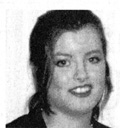
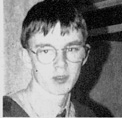
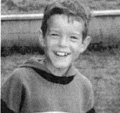
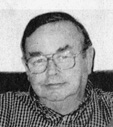
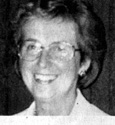
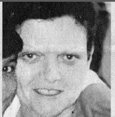
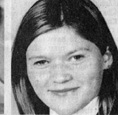
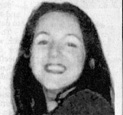
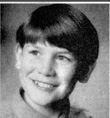
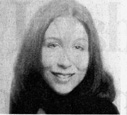
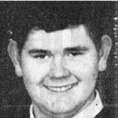
At one stage the names and ages of all those killed at Omagh. (20 of whom are pictured) were read out in the hushed courtroom. They included three generations of the same Co Tyrone family - an 18-month-old girl, her mother who was pregnant with twins and a 66-year-old grandmother.
All but two of the bomb attacks in the case used Mark 19 timer power units (TPU), Mr Kerr told the court. From that it can be concluded, he claimed, that the devices were all built by the same person.
"The prosecution will say that both DNA evidence and fibre evidence connecting the defendant to this series of attacks will show his involvement in them and that the totality of the evidence will persuade the court of his criminal involvement in the connected series of explosions," Mr Kerr said.
At 2.29pm on the day of the Omagh attack, 35 minutes before the explosion, a telephone warning said a 5001b car bomb had been placed outside the town's Courthouse and would explode in 30 minutes, Mr Kerr said. But this was followed within minutes by two further warnings giving conflicting information.
Mr Kerr said the court would hear from police officers sent to evacuate shoppers away from the Courthouse. They were urged to move down Market Street where the bomb exploded. Mr Kerr also detailed other attacks Hoey is allegedly linked to in the months before the carnage. The Mark 19 TPU was the common denominator, the court heard.
ALLEGED Omagh mass murderer Sean Hoey was found hiding in bushes when police came to arrest him for suspected bombing offences, a court has been told.
Sean Hoey (37) of Molly Road, Jonesborough, denies 58 terrorist offences including the no-warning Real IRA car-bomb in Omagh in August 1998 which claimed 29 lives.
During the beginning of his trial yesterday, prosecution QC Gordon Kerr QC told the court that there was enough DNA and forensic evidence, and expert voice analysis, to convict him of the outrage and a series of other strikes on civilian, police and army targets. The prosecutor said when police went to arrest Hoey at his home in September 2003, they saw someone running away from the premises.
Mr Kerr told the court: "A search resulted in the defendant being found in an area of bushes. He was challenged and came out from the bushes with a mobile phone in his hand."
Part of the prosecution case rests on drawing similarities in construction of explosive devices used in Omagh and a number of other dissident republican attempted bomb attacks. The court was shown photographs of the devices. A scene of crime officer, Army major and two police constables were called to give evidence by the prosecution.
Defence barrister Orlando Pownall QC cross-examined several witnesses about the incorrect labelling of exhibits recovered after an attack in Crossmaglen. He told the court there were "shortcomings" in the handling of evidence. Earlier Hoey had sat impassively in the dock at Belfast Crown Court, flanked by two prison wardens, as he was accused of the worst single atrocity in 30 years of violence in Northern Ireland.
Mr Kerr said: "He was fully aware that the persons concerned were placing explosives and had an active role in the preparation of the devices.
"The evidence will suggest that he contemplated the use of the devices in such a way that injury up to and including death would occur, and agreed to that.
"In the case of Omagh, it will be submitted that those involved in placing a device in a busy public street at a prime shopping time were aware and must have known that an explosion in those circumstances would kill or at least seriously injure those in the vicinity of the explosion.
"It will be submitted that in this case an analysis of the warnings given when compared to other warnings using the same code word suggests that the warnings were not and could not have been meant to be effective.
"In those circumstances the prosecution case is that those responsible at law for the bomb in Omagh should properly be found guilty of murder in relation to the persons who were killed on August 15, 1998."
At one stage the names and ages of all those killed at Omagh. (20 of whom are pictured) were read out in the hushed courtroom. They included three generations of the same Co Tyrone family - an 18-month-old girl, her mother who was pregnant with twins and a 66-year-old grandmother.
All but two of the bomb attacks in the case used Mark 19 timer power units (TPU), Mr Kerr told the court. From that it can be concluded, he claimed, that the devices were all built by the same person.
"The prosecution will say that both DNA evidence and fibre evidence connecting the defendant to this series of attacks will show his involvement in them and that the totality of the evidence will persuade the court of his criminal involvement in the connected series of explosions," Mr Kerr said.
At 2.29pm on the day of the Omagh attack, 35 minutes before the explosion, a telephone warning said a 5001b car bomb had been placed outside the town's Courthouse and would explode in 30 minutes, Mr Kerr said. But this was followed within minutes by two further warnings giving conflicting information.
Mr Kerr said the court would hear from police officers sent to evacuate shoppers away from the Courthouse. They were urged to move down Market Street where the bomb exploded. Mr Kerr also detailed other attacks Hoey is allegedly linked to in the months before the carnage. The Mark 19 TPU was the common denominator, the court heard.
Further Information
Publisher: BELFAST TELEGRAPH
Ref: BT/1019
Published Date: 26-Sep-06
Related Images