THE HIGHS AND LOWS OF 32-YEAR A CAREER
The high and lows of 32-year career
By Chris Thornton Political Correspondent
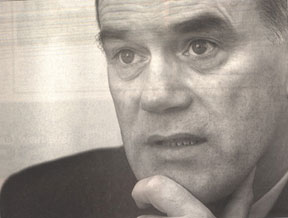
IN early 1997, Ronnie Flanagan was only still getting used to being called Chief Constable when a wily old copper named Jack Hermon laid an unprompted compliment at his feet. "He has the potential," said Sir Jack, one of Sir Ronnie's predecessors, "to be the best Chief Constable in the RUC's history - bar none." Neither Hermon, nor anyone else at that stage, could have confidently foreseen that Flanagan would also be the last man to head up the RUC. Tomorrow, Sir Ronnie closes out a 32-year career in Northern Ireland with what he calls "some feeling of poignancy." The most difficult moments of his six years as Chief Constable were "were seeing families suffer so much when colleagues were murdered, being with families and seeing children affected and knowing they would be affected for the rest of their lives.
"That was always tremendously difficult," he said. The proudest, he says, was the moment when Constable Paul Slane was handed the RUC's George Cross by the Queen. "That was true recognition of dedicated service and sacrifice over 30 years," he said. "That was a very special moment." There is also a fair degree of history to Sir Ronnie's departure. While his exit is shaded by "difficulties" and "embarrassments" notably the Omagh report row and the recent Castlereagh break-in it appears he will occupy a central place in any account of the peace process.
Sir Ronnie's place in history is far from settled Secretary of State John Reid described him this week as "a huge person" while minutes later Gerry Adams called him "a key to the repressive arm of the state."
But it is clear-that he represents the human bridge of police reform, from the RUC to Police Service of Northern Ireland, and that alone would make him more than a footnote to the settlement. But the nature of the peace process meant Sir Ronnie's role was bound to be deeply political.
Throughout a series of crises connected to security - most notably decommissioning and alleged breaches of the ceasefires he was a steadying influence. He patiently and frequently argued that removing the will to use weapons was more important than their physical destruction. A different position might have encouraged both the Ulster Unionists and the republican attitude to harden their positions. Politicians of several different hues agree the peace process may well not have survived.
Further Information
Related Images