DISSIDENTS PUT SHADOW OF OMAGH BEHIND THEM
Dissidents put shadow of Omagh behind them
As the arms crisis deepens, dissidents are seeking to exploit tensions in republican ranks to win support. Chief Reporter Darwin Templeton examines a campaign being mounted by the 32 County Sovereignty Movement
Slowly but surely, 'No Men' of republicanism are emerging from the shadow of the Omagh bomb to challenge the leadership of Gerry Adams.
The 32 County Sovereignty Movement, which faced such fury in the aftermath of the massacre, has quietly regrouped.
And as the debate within republican ranks rages, its leaders are arguing that the collapse of the Stormont Executive has proved they were right to oppose the process and the Good Friday Agreement it spawned.
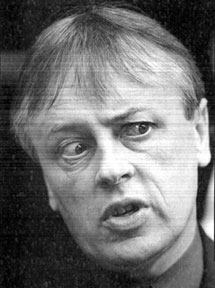
"We believe that we have been vindicated," said national chairperson Francie Mackey, a former Sinn Fein councillor from Omagh.
"Right from the Framework Document, we said that the process did not have the necessary dynamic to deliver republican objectives.
" Republicans could not accept the Framework Document as a basis for moving forward, given the fact that Britain's illegal claim to sovereignty was not on the table for discussion."
To the movement and its supporters, a solution can only be found when Britain signals its intent to withdraw. Everything else is incidental.
From its inception in 1997 as a result of a split in Sinn Fein, the group has attracted support from high-profile figures like Bernadette Sands-McKevitt, sister of IRA hunger striker Bobby Sands, and the families of other H-Block "martyrs" have given public backing to their hostile view of the Good Friday Agreement.
Over the last few months the 32CSM have been organising meetings, expanding their news-sheet, the Sovereign Nation, and have even set up a site on the Internet. Their analysis has also won over a number of influential Irish-Americans, who hold sway over substantial funds, including former Noraid chief Martin Galvin, who addressed a 32CSM rally in Dundalk in September. Observers say that the dollars which so long bankrolled Sinn Fein may soon be flowing into their coffers.
So much so, that Martin McGuinness was expected to spend as much time in the US this week reassuring old allies as talking to the administration. The dissidents drew on their US contacts last year to lodge a petition with the United Nations challenging Britain's right to be in Ireland. Their efforts to pursue this action have been hampered by difficulties in gaining visas for some of their members - a situation which has echoes of Sinn Fein's struggles in the 1980s.
There have been no mass defections to the dissidents, but it appears that more and more republicans, if they don't agree with their message, are at least prepared to listen. The movement has never intended to become a party or contest elections, which perhaps explains why it does not indulge in the kind of fanciful inflation of numbers, characteristic of extremist groups seeking to exaggerate their importance.
Meetings have been held in Dublin, Belfast, Dundalk, Cork and Wexford and only two weeks ago its first rally was organised in the Irish stronghold of Kilburn in London. "We have had a steady flow of inquiries, not from people who necessarily want to join us, but people who wish to explore our argument," said Mackey.
"We are not into putting groups of people on the corner of every town." For all its efforts to make its mark in the political arena, the movement struggles to banish the doubts about its attitude to violence and its alleged link to Oglaigh na hEireann, the terror group also called the Real IRA. It's a charge strongly denied by the movement, but few were prepared to listen after the Omagh killings.
Public anger was fuelled by the news that Mackey's teenage son had been detained by detectives investigating the atrocity, even though he was later released.
"Media claims that we are the political wing of a paramilitary group are totally false," said Mackey. "People know me as an individual who represented Sinn Fein in the past and know I have never had any military involvement."
Challenged on his view of the CIRA bombers who attacked Irvinestown, Mackey replied: "We believe that creates the wrong message for what we want to do.
"You can get into this scenario of 'He's a bad guy' or 'He's a good guy, but the reality is that that if the issue which has led to the alienation of nationalists in the north in the historical context, that has led to many people suffering, if that is not addressed, none of us can predict what will happen. "But the reality is that it is much better for us as a movement for people to look and see what has caused it. If political vacuums are caused and there is a sense of hopelessness ... that would or could be followed with violence. That's historical fact.
"We are giving an honest assessment from a republican perspective on the way forward. "That's why we are at the UN challenging Britain's legality in Ireland. That, is more important to us as republicans, concentrating on that rather than talking about what might or might not happen."
They are carefully-chosen words, but a whiff of militant republicanism lingers around the 32CSM.
A senior member was charged last year in connection with an explosives offence in the Republic in 1998. And a look at the movement's website reveals some disturbing connections.
Under a section dedicated to the Irish Prisoners Welfare Association, supporters are urged to write to a list of inmates in jails in England, Northern Ireland and the Republic. Among them are three students jailed for a plot to bomb London, a Belfast man charged in connection with a gun attack on an RUC base and a group of men arrested at an alleged Real IRA training camp in Co Meath.
As the public face of the 32CSM who happened to live near Omagh, 45-year-old Mackey himself became the focus of angry protests, during which he was besieged by the world's media. He did condemn the bombing, but for many it was too little, too late. Some 19 months later he shrugs off the "demonisation" he and others faced.
"There is no doubt that the immediate aftermath of Omagh and the tragedy had its effects. There is no doubt it did have its effects immediately because of the misrepresentation of our position. "The effect it did have was it took people longer to reach a point of understanding what our business was and what our argument was. It delayed that process. But it didn't come close breaking up the structure or the committee."
He adds: "It was a stressful time and it was stress that my family and I could have done without. There were a few attempts to orchestrate a campaign against me, but they failed dismally. "I can understand people who were bereaved or who were injured who felt aggrieved. I can understand their feelings totally. " In relation to those who tried to capitalise on other's people suffering, I feel their attempts failed dismally."
Mackey said he has yet to decide whether to seek re-election to the council in 2001. He said: "I would have worked quit proactively and successfully to secure money for less privileged estates in the town. But I haven't made up my mind. It will depend on a lot of things and two things are developing politically."
He laughs scornfully when asked if he might ever return to he fold by rejoining Sinn Fein. People realise that my position as a former Sinn Fein councillor hasn't changed. "It is those who moved away from that constitutional position and that constitution who have changed. British interference it Ireland is the root cause of the problem here. "That must be addressed be are we can move forward."
As the arms crisis deepens, dissidents are seeking to exploit tensions in republican ranks to win support. Chief Reporter Darwin Templeton examines a campaign being mounted by the 32 County Sovereignty Movement
Slowly but surely, 'No Men' of republicanism are emerging from the shadow of the Omagh bomb to challenge the leadership of Gerry Adams.
The 32 County Sovereignty Movement, which faced such fury in the aftermath of the massacre, has quietly regrouped.
And as the debate within republican ranks rages, its leaders are arguing that the collapse of the Stormont Executive has proved they were right to oppose the process and the Good Friday Agreement it spawned.
"We believe that we have been vindicated," said national chairperson Francie Mackey, a former Sinn Fein councillor from Omagh.
"Right from the Framework Document, we said that the process did not have the necessary dynamic to deliver republican objectives.
" Republicans could not accept the Framework Document as a basis for moving forward, given the fact that Britain's illegal claim to sovereignty was not on the table for discussion."
To the movement and its supporters, a solution can only be found when Britain signals its intent to withdraw. Everything else is incidental.
From its inception in 1997 as a result of a split in Sinn Fein, the group has attracted support from high-profile figures like Bernadette Sands-McKevitt, sister of IRA hunger striker Bobby Sands, and the families of other H-Block "martyrs" have given public backing to their hostile view of the Good Friday Agreement.
Over the last few months the 32CSM have been organising meetings, expanding their news-sheet, the Sovereign Nation, and have even set up a site on the Internet. Their analysis has also won over a number of influential Irish-Americans, who hold sway over substantial funds, including former Noraid chief Martin Galvin, who addressed a 32CSM rally in Dundalk in September. Observers say that the dollars which so long bankrolled Sinn Fein may soon be flowing into their coffers.
So much so, that Martin McGuinness was expected to spend as much time in the US this week reassuring old allies as talking to the administration. The dissidents drew on their US contacts last year to lodge a petition with the United Nations challenging Britain's right to be in Ireland. Their efforts to pursue this action have been hampered by difficulties in gaining visas for some of their members - a situation which has echoes of Sinn Fein's struggles in the 1980s.
There have been no mass defections to the dissidents, but it appears that more and more republicans, if they don't agree with their message, are at least prepared to listen. The movement has never intended to become a party or contest elections, which perhaps explains why it does not indulge in the kind of fanciful inflation of numbers, characteristic of extremist groups seeking to exaggerate their importance.
Meetings have been held in Dublin, Belfast, Dundalk, Cork and Wexford and only two weeks ago its first rally was organised in the Irish stronghold of Kilburn in London. "We have had a steady flow of inquiries, not from people who necessarily want to join us, but people who wish to explore our argument," said Mackey.
"We are not into putting groups of people on the corner of every town." For all its efforts to make its mark in the political arena, the movement struggles to banish the doubts about its attitude to violence and its alleged link to Oglaigh na hEireann, the terror group also called the Real IRA. It's a charge strongly denied by the movement, but few were prepared to listen after the Omagh killings.
Public anger was fuelled by the news that Mackey's teenage son had been detained by detectives investigating the atrocity, even though he was later released.
"Media claims that we are the political wing of a paramilitary group are totally false," said Mackey. "People know me as an individual who represented Sinn Fein in the past and know I have never had any military involvement."
Challenged on his view of the CIRA bombers who attacked Irvinestown, Mackey replied: "We believe that creates the wrong message for what we want to do.
"You can get into this scenario of 'He's a bad guy' or 'He's a good guy, but the reality is that that if the issue which has led to the alienation of nationalists in the north in the historical context, that has led to many people suffering, if that is not addressed, none of us can predict what will happen. "But the reality is that it is much better for us as a movement for people to look and see what has caused it. If political vacuums are caused and there is a sense of hopelessness ... that would or could be followed with violence. That's historical fact.
"We are giving an honest assessment from a republican perspective on the way forward. "That's why we are at the UN challenging Britain's legality in Ireland. That, is more important to us as republicans, concentrating on that rather than talking about what might or might not happen."
They are carefully-chosen words, but a whiff of militant republicanism lingers around the 32CSM.
A senior member was charged last year in connection with an explosives offence in the Republic in 1998. And a look at the movement's website reveals some disturbing connections.
Under a section dedicated to the Irish Prisoners Welfare Association, supporters are urged to write to a list of inmates in jails in England, Northern Ireland and the Republic. Among them are three students jailed for a plot to bomb London, a Belfast man charged in connection with a gun attack on an RUC base and a group of men arrested at an alleged Real IRA training camp in Co Meath.
As the public face of the 32CSM who happened to live near Omagh, 45-year-old Mackey himself became the focus of angry protests, during which he was besieged by the world's media. He did condemn the bombing, but for many it was too little, too late. Some 19 months later he shrugs off the "demonisation" he and others faced.
"There is no doubt that the immediate aftermath of Omagh and the tragedy had its effects. There is no doubt it did have its effects immediately because of the misrepresentation of our position. "The effect it did have was it took people longer to reach a point of understanding what our business was and what our argument was. It delayed that process. But it didn't come close breaking up the structure or the committee."
He adds: "It was a stressful time and it was stress that my family and I could have done without. There were a few attempts to orchestrate a campaign against me, but they failed dismally. "I can understand people who were bereaved or who were injured who felt aggrieved. I can understand their feelings totally. " In relation to those who tried to capitalise on other's people suffering, I feel their attempts failed dismally."
Mackey said he has yet to decide whether to seek re-election to the council in 2001. He said: "I would have worked quit proactively and successfully to secure money for less privileged estates in the town. But I haven't made up my mind. It will depend on a lot of things and two things are developing politically."
He laughs scornfully when asked if he might ever return to he fold by rejoining Sinn Fein. People realise that my position as a former Sinn Fein councillor hasn't changed. "It is those who moved away from that constitutional position and that constitution who have changed. British interference it Ireland is the root cause of the problem here. "That must be addressed be are we can move forward."
Further Information
Publisher: BELFAST TELEGRAPH
Ref: BT/0734
Published Date: 28-Feb-00
Related Images