A YEAR OF HOPE A YEAR OF TRAGEDY
A year of hope, a year of tragedy
HISTORIC YEAR: The coming together of Britain and Ireland
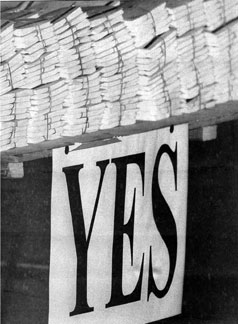
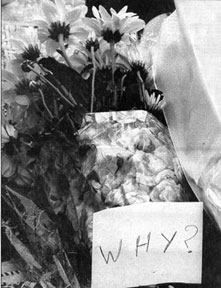
THE year that passes today was a truly historic one for Northern Ireland - a year of hope, a year of tragedy. It was the year in which the people of this island said "Yes" to peace but also asked the question "Why" after the massacre at Omagh. We must never forget the suffering inflicted on that August day on also any innocent people and we must also ensure that it never happens again. Beyond Omagh and the Good Friday agreement, historians may well record that 1998 has seen a major and most important development. That is the forging of a new and seemingly unbreakable relationship between the two governments which have the greatest influence on all our lives -the British and the Irish. In all the centuries that the two islands have been thrown together politically, has there been such a meeting of minds between their leaders?
The process of convergence began in 1985 with the Anglo-Irish Agreement, through later Margaret Thatcher was to express her disappointment with its results. Giving Dublin a consultative role in Ulster affairs, representing the nationalist minority, produced few benefits for either side initially, but clearly laid the foundations for the inclusive political talks of recent years, leading to the Good Friday agreement. With better understanding of the complexity of the conflict here, there has been a much more focused approach in both governments to a solution.
Another vital element in the new situation has been the warmth and depth of the relations between the two heads of government, Tony Blair and Bertie Ahern. Both seem to have grasped, simultaneously, that this could be a turning point in Anglo-Irish history, when the traditional animosity between the two nations could be ended, for the good of both - and particularly for Northern Ireland, where the consequences have been felt most severely.
Think back to the dramatic intervention of Mr Blair and Mr Ahern when the Stormont talks were at an impasse. Together they were able to persuade the parties who looked to them for support that the agreement that eventually emerged was as good as unionists or nationalists could ever get. If they had not seen eye to eye, and had not been prepared to push the big two parties to the limit, there would have been no compromise.
Since then there have been many examples of the new-found friendship between the two nations. Mr Blair became the first British Prime Minister to address the Dail, including a greeting in Irish, and received a rapturous reception from the people of Dublin. The Duke of Edinburgh paid an official visit, like tens of thousands of English tourists. Most memorably, the Queen joined President Mary McAleese in a joint ceremony at Messines, in Belgium, to remember the dead of World War I.
A royal visit to the Republic is confidently expected soon while there is even speculation on Ireland's possible reentry to the Commonwealth.
Against such a background of friendly co-operation, in which a Fianna Fail Taoiseach is a willing participant, it is Impossible to see British and Irish interests diverging in the way they often did in the past. Not only do all the parties on the island say they accept the principle of consent, but the Irish people have voted overwhelmingly to approve the dropping of the Republic's territorial claim to Northern Ireland. Megaphone diplomacy between London and Dublin is a thing of the past.
In good and bad times, over the past year, the two governments have consistently acted together. Shortly after the Good Friday agreement, the two premiers played prominent parts in the success of the referendums, north and south, and later were united in grief at the tragedy of Omagh. All attempts to divide them, or coerce them, have ended in failure.
This new era of togetherness, between close European partners, has important implications for the people of Northern Ireland, as well as their politicians. In future, Unionists need not look to London to advance their interests, right or wrong, any more than nationalists should look to Dublin.
Both governments have virtually declared their neutrality, by setting their seal on a form of power-sharing and commonsense cross-border institutions that should threaten no one. If nationalists hope to advance their all-Ireland aspiration, against unionist wishes, they may find resistance from Dublin, just as London would veto any unionist attempt to water down the Irish dimension. Both communities will have to live with their differences, if the return of power to local hands is to succeed.
Although the Good Friday agreement has been slow to take effect, because of feet-dragging over decommissioning, the fact that both the British and Irish governments are determined to see it through is its greatest asset. The paramilitaries on both sides - and the parties they support - know they will nave to yield up their armouries by May 2000 and the pressure on them to do so much earlier is gaining in strength, with every passing day.
The sea changes that have taken place in 1998 will go on happening in 1999, as Sinn Fein struggles to break free of its past and the Patten Commission reports on the future of the RUC. The north-south institutions will be mirrored in east-west arrangements, in the British-Irish council, emphasising the continuing connection with Britain. The one certainty is that the bond between the British and Irish governments - of whatever hue - will not be broken.
That is the new reality underpinning the future of politics in Northern Ireland, and unionists, nationalists and republicans will have to come to terms with it. They can all have their aspirations, but London and Dublin clearly want them to make a go of the Northern Ireland that the Good Friday agreement envisaged, where respect for difference can bring peace, good government and, finally, political stability.
HISTORIC YEAR: The coming together of Britain and Ireland
THE year that passes today was a truly historic one for Northern Ireland - a year of hope, a year of tragedy. It was the year in which the people of this island said "Yes" to peace but also asked the question "Why" after the massacre at Omagh. We must never forget the suffering inflicted on that August day on also any innocent people and we must also ensure that it never happens again. Beyond Omagh and the Good Friday agreement, historians may well record that 1998 has seen a major and most important development. That is the forging of a new and seemingly unbreakable relationship between the two governments which have the greatest influence on all our lives -the British and the Irish. In all the centuries that the two islands have been thrown together politically, has there been such a meeting of minds between their leaders?
The process of convergence began in 1985 with the Anglo-Irish Agreement, through later Margaret Thatcher was to express her disappointment with its results. Giving Dublin a consultative role in Ulster affairs, representing the nationalist minority, produced few benefits for either side initially, but clearly laid the foundations for the inclusive political talks of recent years, leading to the Good Friday agreement. With better understanding of the complexity of the conflict here, there has been a much more focused approach in both governments to a solution.
Another vital element in the new situation has been the warmth and depth of the relations between the two heads of government, Tony Blair and Bertie Ahern. Both seem to have grasped, simultaneously, that this could be a turning point in Anglo-Irish history, when the traditional animosity between the two nations could be ended, for the good of both - and particularly for Northern Ireland, where the consequences have been felt most severely.
Think back to the dramatic intervention of Mr Blair and Mr Ahern when the Stormont talks were at an impasse. Together they were able to persuade the parties who looked to them for support that the agreement that eventually emerged was as good as unionists or nationalists could ever get. If they had not seen eye to eye, and had not been prepared to push the big two parties to the limit, there would have been no compromise.
Since then there have been many examples of the new-found friendship between the two nations. Mr Blair became the first British Prime Minister to address the Dail, including a greeting in Irish, and received a rapturous reception from the people of Dublin. The Duke of Edinburgh paid an official visit, like tens of thousands of English tourists. Most memorably, the Queen joined President Mary McAleese in a joint ceremony at Messines, in Belgium, to remember the dead of World War I.
A royal visit to the Republic is confidently expected soon while there is even speculation on Ireland's possible reentry to the Commonwealth.
Against such a background of friendly co-operation, in which a Fianna Fail Taoiseach is a willing participant, it is Impossible to see British and Irish interests diverging in the way they often did in the past. Not only do all the parties on the island say they accept the principle of consent, but the Irish people have voted overwhelmingly to approve the dropping of the Republic's territorial claim to Northern Ireland. Megaphone diplomacy between London and Dublin is a thing of the past.
In good and bad times, over the past year, the two governments have consistently acted together. Shortly after the Good Friday agreement, the two premiers played prominent parts in the success of the referendums, north and south, and later were united in grief at the tragedy of Omagh. All attempts to divide them, or coerce them, have ended in failure.
This new era of togetherness, between close European partners, has important implications for the people of Northern Ireland, as well as their politicians. In future, Unionists need not look to London to advance their interests, right or wrong, any more than nationalists should look to Dublin.
Both governments have virtually declared their neutrality, by setting their seal on a form of power-sharing and commonsense cross-border institutions that should threaten no one. If nationalists hope to advance their all-Ireland aspiration, against unionist wishes, they may find resistance from Dublin, just as London would veto any unionist attempt to water down the Irish dimension. Both communities will have to live with their differences, if the return of power to local hands is to succeed.
Although the Good Friday agreement has been slow to take effect, because of feet-dragging over decommissioning, the fact that both the British and Irish governments are determined to see it through is its greatest asset. The paramilitaries on both sides - and the parties they support - know they will nave to yield up their armouries by May 2000 and the pressure on them to do so much earlier is gaining in strength, with every passing day.
The sea changes that have taken place in 1998 will go on happening in 1999, as Sinn Fein struggles to break free of its past and the Patten Commission reports on the future of the RUC. The north-south institutions will be mirrored in east-west arrangements, in the British-Irish council, emphasising the continuing connection with Britain. The one certainty is that the bond between the British and Irish governments - of whatever hue - will not be broken.
That is the new reality underpinning the future of politics in Northern Ireland, and unionists, nationalists and republicans will have to come to terms with it. They can all have their aspirations, but London and Dublin clearly want them to make a go of the Northern Ireland that the Good Friday agreement envisaged, where respect for difference can bring peace, good government and, finally, political stability.
Further Information
Publisher: BELFAST TELEGRAPH
Ref: BT/0693
Published Date: 31-Dec-98
Related Images