A YEAR OF BLOODSHED DESPITE THE HOPES
A year of bloodshed despite the hopes
It was a year of hope and of desperation as the Good Friday Agreement was both preceded and followed by violence.
PETER McVERRY reports on the security situation in 1998.
IT is a sign of the society we live in that even though 1998 witnessed historic steps towards peace, the terrorist murder tally still reached 54.
Political highs such as the Good Friday Agreement and the resounding Yes vote in the referendum were sullied by murderous events, with the death of the Quinn brothers and the Omagh atrocity the most sickening of all.
Security statistics on the 54 deaths in 1998 attribute 38 of them to republicans with loyalists blamed for the other 16.
Of the 54 killed, 29 were killed by the Omagh bomb, 19 were shot dead and six died by other means, including the Quinn children.
Only this week, anti-intimidation group FAIT published annual figures which show 1998 as one of the worst ever for punishment attacks with 119 from loyalists and 118 from republicans.
The event which guaranteed that 1998 was heralded with bloodshed actually took place in 1997 when the INLA murdered LVF leader Billy Wright inside the Maze on December 27.
The incident showed just how quickly politics can be destabilised with paramilitary groups linked to talks participants drawn into violence.
Following Wrights murder, the LVF stepped up its campaign of sectarian murder while the UDA was drawn in. shooting dead Catholic civil servant Eddie Treanor in a north Belfast bar on New Year's-Eve.
The INLA then struck against the UDA, killing south Belfast loyalist Jim Guiney and there were four more loyalist murders in the next six days.
This in turn put pressure on the Provisional IRA to strike against loyalists on behalf of Catholics, which they did by shooting senior UDA figure Bobby Dougan in Dunmurry.
The UFF admitted its-involvement in a number of murders on January 23 and the UDP withdrew from the multi-party talks as pressure mounted for them to be thrown out.
On February 9, RUC Chief Constable Ronnie Flanagan linked the IRA to two recent murders with Sinn Fein then temporarily expelled from the talks on February 22.
March will be remembered as the month that the LVF struck at both communities: gunmen opening fire in a pub in the village of Poyntzpass and murdering lifelong friends, Damian Trainor, a Catholic, and Philip Allen, a Protestant.
The long drawn out talks process, spurred on by the continuing violence, culminated in the historic signing of the Good Friday Agreement on April 10.
The LVF responded by shooting another two Catholics, council worker Adrian Lamph in Portadown and student Ciaran Heffron in Crumlin.
But the people of the province backed the agreement with a 71% Yes vote in the Referendum on May 22.
The Drumcree issue then raised its head again as the Orange Order mounted a stand-off over the Parades Commission decision to ban the march from walking the Garvaghy Road.
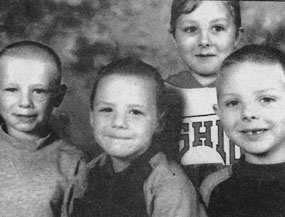
Then came the awful events of Ballymoney when three young Catholic boys - Richard Quinn (10), Mark (9) and Jason (8) - were burned to death after their home was attacked with petrol bombs on Sunday,July 12.
Protests over Drumcree would lead to another death in October when RUC Constable Frankie O'Reilly died in hospital a month after sustaining head injuries caused by a explosion at a rally in Portadown in support of the stand-off.
A week after the horror of Ballymoney, the focus of attention shifted to republican violence, with further calls for Sinn Fein to be excluded from the political process after Belfast man Andrew Kearney died from gunshot wounds sustained in a so-called punishment attack by republican paramilitaries.
The LVF, having called an unequivocal ceasefire on May 15, then declared that their war was over on August 9.
Their ceasefire was officially recognised by Secretary of State Mo Mowlam in November when she authorised their inclusion in the early release scheme for prisoners.
The INLA announced an end to its 23-year long campaign on August 22 when it said that while the organisation remained opposed to the Good Friday Agreement, it could not ignore the referendum result.
Elsewhere, republican splinter groups continued their attacks with bombs devastating Moira, Portadown and Banbridge amongst others.
But nothing could prepare Northern Ireland for what was yet to come - the single worst terrorist atrocity in the history of the Troubles.
The Real IRA car bomb which exploded at 3.10pm on Saturday. August 15 claimed the lives of 29 people and shocked the world.
But its ripples produced a renewed sense of determination from all sides to achieve a just and lasting peace, a determination later enhanced by the award of the Nobel Peace Prize to David Trimble and John Hume.
But the murder of the innocents has not yet ceased with Catholic Brian Service, shot dead in north Belfast at the end of October by a group calling themselves the Red Hand Defenders, the latest victim of sectarianism.
An arms immunity certificate allowing the LVF to transport guns legally for decommissioning was issued to the organisation in November.
However, the LVF postponed the first act of voluntary decommissioning on November 18 when they accused Ulster Unionist MP Ken Maginnis of insulting them after he branded them "ruthless...sectarian murderers"
After another hold-up over the alleged misuse of a decommissioning certificate, the promised first voluntary act of decommissioning took place on Friday December 18 hours after the political parties agreed on the departments in the new executive and the cross-border bodies.
A cache which included nine guns, 350 bullets, two pipe bombs and six detonators was transported from Portadown to Belfast and destroyed.
The LVF, through decommissioning representative Kenny McClinton, then called for other paramilitaries to follow suit on a larger scale.
Whether or not that challenge is met will prove one of the most telling aspects of 1999.
It was a year of hope and of desperation as the Good Friday Agreement was both preceded and followed by violence.
PETER McVERRY reports on the security situation in 1998.
IT is a sign of the society we live in that even though 1998 witnessed historic steps towards peace, the terrorist murder tally still reached 54.
Political highs such as the Good Friday Agreement and the resounding Yes vote in the referendum were sullied by murderous events, with the death of the Quinn brothers and the Omagh atrocity the most sickening of all.
Security statistics on the 54 deaths in 1998 attribute 38 of them to republicans with loyalists blamed for the other 16.
Of the 54 killed, 29 were killed by the Omagh bomb, 19 were shot dead and six died by other means, including the Quinn children.
Only this week, anti-intimidation group FAIT published annual figures which show 1998 as one of the worst ever for punishment attacks with 119 from loyalists and 118 from republicans.
The event which guaranteed that 1998 was heralded with bloodshed actually took place in 1997 when the INLA murdered LVF leader Billy Wright inside the Maze on December 27.
The incident showed just how quickly politics can be destabilised with paramilitary groups linked to talks participants drawn into violence.
Following Wrights murder, the LVF stepped up its campaign of sectarian murder while the UDA was drawn in. shooting dead Catholic civil servant Eddie Treanor in a north Belfast bar on New Year's-Eve.
The INLA then struck against the UDA, killing south Belfast loyalist Jim Guiney and there were four more loyalist murders in the next six days.
This in turn put pressure on the Provisional IRA to strike against loyalists on behalf of Catholics, which they did by shooting senior UDA figure Bobby Dougan in Dunmurry.
The UFF admitted its-involvement in a number of murders on January 23 and the UDP withdrew from the multi-party talks as pressure mounted for them to be thrown out.
On February 9, RUC Chief Constable Ronnie Flanagan linked the IRA to two recent murders with Sinn Fein then temporarily expelled from the talks on February 22.
March will be remembered as the month that the LVF struck at both communities: gunmen opening fire in a pub in the village of Poyntzpass and murdering lifelong friends, Damian Trainor, a Catholic, and Philip Allen, a Protestant.
The long drawn out talks process, spurred on by the continuing violence, culminated in the historic signing of the Good Friday Agreement on April 10.
The LVF responded by shooting another two Catholics, council worker Adrian Lamph in Portadown and student Ciaran Heffron in Crumlin.
But the people of the province backed the agreement with a 71% Yes vote in the Referendum on May 22.
The Drumcree issue then raised its head again as the Orange Order mounted a stand-off over the Parades Commission decision to ban the march from walking the Garvaghy Road.
Then came the awful events of Ballymoney when three young Catholic boys - Richard Quinn (10), Mark (9) and Jason (8) - were burned to death after their home was attacked with petrol bombs on Sunday,July 12.
Protests over Drumcree would lead to another death in October when RUC Constable Frankie O'Reilly died in hospital a month after sustaining head injuries caused by a explosion at a rally in Portadown in support of the stand-off.
A week after the horror of Ballymoney, the focus of attention shifted to republican violence, with further calls for Sinn Fein to be excluded from the political process after Belfast man Andrew Kearney died from gunshot wounds sustained in a so-called punishment attack by republican paramilitaries.
The LVF, having called an unequivocal ceasefire on May 15, then declared that their war was over on August 9.
Their ceasefire was officially recognised by Secretary of State Mo Mowlam in November when she authorised their inclusion in the early release scheme for prisoners.
The INLA announced an end to its 23-year long campaign on August 22 when it said that while the organisation remained opposed to the Good Friday Agreement, it could not ignore the referendum result.
Elsewhere, republican splinter groups continued their attacks with bombs devastating Moira, Portadown and Banbridge amongst others.
But nothing could prepare Northern Ireland for what was yet to come - the single worst terrorist atrocity in the history of the Troubles.
The Real IRA car bomb which exploded at 3.10pm on Saturday. August 15 claimed the lives of 29 people and shocked the world.
But its ripples produced a renewed sense of determination from all sides to achieve a just and lasting peace, a determination later enhanced by the award of the Nobel Peace Prize to David Trimble and John Hume.
But the murder of the innocents has not yet ceased with Catholic Brian Service, shot dead in north Belfast at the end of October by a group calling themselves the Red Hand Defenders, the latest victim of sectarianism.
An arms immunity certificate allowing the LVF to transport guns legally for decommissioning was issued to the organisation in November.
However, the LVF postponed the first act of voluntary decommissioning on November 18 when they accused Ulster Unionist MP Ken Maginnis of insulting them after he branded them "ruthless...sectarian murderers"
After another hold-up over the alleged misuse of a decommissioning certificate, the promised first voluntary act of decommissioning took place on Friday December 18 hours after the political parties agreed on the departments in the new executive and the cross-border bodies.
A cache which included nine guns, 350 bullets, two pipe bombs and six detonators was transported from Portadown to Belfast and destroyed.
The LVF, through decommissioning representative Kenny McClinton, then called for other paramilitaries to follow suit on a larger scale.
Whether or not that challenge is met will prove one of the most telling aspects of 1999.
Further Information
Publisher: BELFAST TELEGRAPH
Ref: BT/0691
Published Date: 31-Dec-98
Related Images