THE SOURING OF SWEET OMAGH
The souring of sweet Omagh
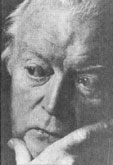
Just over a month after the Omagh bombing atrocity, one of its most distinguished writers, Benedict Kiely, looks at the horror inflicted on the "happy town" in which he grew up.
THE man (anonymous) in the old ballad had roused and rambled, caroused and gambled from proud Dungannon to Ballyshannon, and from Cullyhanna to old Ardboe.
Songs did thunder and whiskey flow, and he tramped through Derry and to Portaferry in the County Down. But always his heart was aching for sweet Omagh Town.
He had a prophetic gift and could look ahead to standing at the Gate of Heaven and telling Peter that he knew it would be grand to play the harp and to wear the crown. But that he, being humble, would never grumble if Heaven was as charming as sweet Omagh Town.
Never yet did I meet an Omagh man who wouldn't agree with him. And I have also had the happiness to know a good few who came from elsewhere but who readily learned to love the place where the Drumragh or Owenreagh meet the Camowen to make the Strule and where the old stone Crevenagh Bridge crosses the water and might still carry the marks of the hooves or the horses of two kings.
It was a happy town to grow up in and to remember and talk about from here to San Francisco and back. And although not as nimble as I used to be. I can still close my eyes and, in fantasy, walk the streets and the roads around, and listen to the music of the streams where I once struggled with rod and line and made my catch from the green flowery banks of the serpentine Strule.
And above all there was the town that was free from the barriers of the spirit that had marred and marked other parts of our island. From Gallowshill to Campsie; from Killyclogher to Old Drumragh, we were all Omeys.
And on his birthday, and particularly when he has hobbled to a total of 79 years, a man might be entitled to let his memory dwell on the place where he was happy to grow up.
And on that day August 15, and the Feast of the Assumption, I was happy to welcome postal greetings from friends in the town and from my sister, Kathleen, who dwells there, high on a hill above the meeting of the rivers.
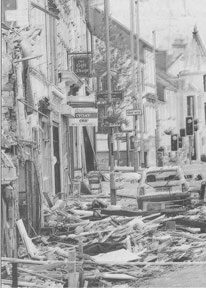
But alas, I need tell nobody about what happened there on that Blessed day to stain with innocent blood the name of the Virgin Plain.
Who were the damnable fellows who wreaked such unhappiness? And at other spots in our Ireland wondering and mourning people, have asked that angry and heartbroken question.
Twenty-nine lives, including children, lost at the corner of Market Street and the Dublin Road where the walk began to Campsie and the Swinging Bars, and Killyclogher and the islanded park, the Rovers' Retreat, on the Camowen and the Killyclogher Burn. Or, on the other two roads to Carrickmore or the King's Bridge or Lissan Bridge.
I am lost, and weeping, in sunlit memories.
As a novelist, Heaven help me. I have written about such horrors in 'Proxopera' and 'Nothing Happens in Carmincross", and never dreamed that such monsters of infernal night would raise their dragon-heads above the green flowery banks of the serpentine Strule.
Just over a month after the Omagh bombing atrocity, one of its most distinguished writers, Benedict Kiely, looks at the horror inflicted on the "happy town" in which he grew up.
THE man (anonymous) in the old ballad had roused and rambled, caroused and gambled from proud Dungannon to Ballyshannon, and from Cullyhanna to old Ardboe.
Songs did thunder and whiskey flow, and he tramped through Derry and to Portaferry in the County Down. But always his heart was aching for sweet Omagh Town.
He had a prophetic gift and could look ahead to standing at the Gate of Heaven and telling Peter that he knew it would be grand to play the harp and to wear the crown. But that he, being humble, would never grumble if Heaven was as charming as sweet Omagh Town.
Never yet did I meet an Omagh man who wouldn't agree with him. And I have also had the happiness to know a good few who came from elsewhere but who readily learned to love the place where the Drumragh or Owenreagh meet the Camowen to make the Strule and where the old stone Crevenagh Bridge crosses the water and might still carry the marks of the hooves or the horses of two kings.
It was a happy town to grow up in and to remember and talk about from here to San Francisco and back. And although not as nimble as I used to be. I can still close my eyes and, in fantasy, walk the streets and the roads around, and listen to the music of the streams where I once struggled with rod and line and made my catch from the green flowery banks of the serpentine Strule.
And above all there was the town that was free from the barriers of the spirit that had marred and marked other parts of our island. From Gallowshill to Campsie; from Killyclogher to Old Drumragh, we were all Omeys.
And on his birthday, and particularly when he has hobbled to a total of 79 years, a man might be entitled to let his memory dwell on the place where he was happy to grow up.
And on that day August 15, and the Feast of the Assumption, I was happy to welcome postal greetings from friends in the town and from my sister, Kathleen, who dwells there, high on a hill above the meeting of the rivers.
But alas, I need tell nobody about what happened there on that Blessed day to stain with innocent blood the name of the Virgin Plain.
Who were the damnable fellows who wreaked such unhappiness? And at other spots in our Ireland wondering and mourning people, have asked that angry and heartbroken question.
Twenty-nine lives, including children, lost at the corner of Market Street and the Dublin Road where the walk began to Campsie and the Swinging Bars, and Killyclogher and the islanded park, the Rovers' Retreat, on the Camowen and the Killyclogher Burn. Or, on the other two roads to Carrickmore or the King's Bridge or Lissan Bridge.
I am lost, and weeping, in sunlit memories.
As a novelist, Heaven help me. I have written about such horrors in 'Proxopera' and 'Nothing Happens in Carmincross", and never dreamed that such monsters of infernal night would raise their dragon-heads above the green flowery banks of the serpentine Strule.
Further Information
Publisher: BELFAST TELEGRAPH
Ref: BT/0429
Published Date: 22-Sep-98
Related Images