NEAVE MURDER FORCED CHANGE IN ULSTER POLICY
Neave murder forced change in Ulster policy
THERE was a celebrated question set once in the examination faced by bright young graduates seeking a career in the top echelon of the civil service. "Margaret Thatcher was inevitable," it read. Discuss.
When you begin to work it out, it was a brilliant question. It included at once every aspect of home and foreign policy, in the recent past as well as the present.
But the tyros faced with it had barely 45 minutes to distil their goblets of wisdom, an essential skill for a future mandarin preparing a briefing paper for his or her minister.
Whatever they think of her, no one now disputes Mrs Thatcher's formative influence.
Seven years after her resignation, Dublin is at this moment launching a broad programme to privatise its state and semi-state bodies, in accordance with a worldwide trend the lady herself initiated.
But without the astute talents of one man - his enemies called it cunning: she would never have made it to Number Ten.
Murdering Airey Neave was the most influential deed done by that violent nucleus, the INLA, which has now announced a ceasefire.
Neave was assassinated on March 30, 1979, by fixing a charge to the underside of his Vauxhall saloon while it was in the underground car park at the House of Commons.
The charged exploded as the car mounted the ramp which leads upwards to the forecourt of the Palace of Westminster beneath the tower of Big Ben.
The cold-blooded crime was influential in Anglo-Irish relations because Neave was already shadow Northern Ireland Secretary and everyone knew that Margaret Thatcher intended to send him to Stormont if she won the imminent general election.
The INLA marked him down for destruction because they took strong exception to what he planned to do in Northern Ireland.
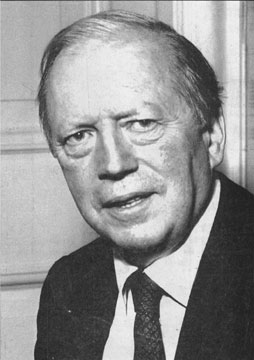
Neave was a quiet man with a fascinating wartime past. He famously escaped from Colditz Castle near Leipzig in midwinter 1942 and spent the rest of the war organising the escape of 4,000 Allied servicemen from German-occupied Europe. At the end he was decorated by three foreign governments as well as his own.
In Ireland, Neave wanted to take on the terrorists.
He favoured the creation of a security zone along the border, jointly controlled with the Republic and patrolled by an SAS-type anti-terrorist force. Both governments turned it down.
But it was the second prong of the Neave policies which gave not only republicans but nationalists generally the greatest concern.
He had little faith in prospects for new devolved government at Stormont.
Instead he favoured restoring local democracy through the regional council idea put forward by the then Unionist leader, James Molyneaux MP, one or more county council-type bodies which would take charge of health, social services, education, planning and roads in their own areas.
Without an assembly, though, this clearly would amount to closer integration of Northern Ireland with the rest of the United Kingdom.
Labour would have none of it. Nor, after Neave's demise, would the Tories, fearing Unionist majorities would abuse their power.
His ill-prepared successor, Humphrey Atkins, had few ideas of his own and the Tory reformers, led by Whitelaw, resumed control.
Looked at from this distance, it is clear how the hand of the INLA assassin changed history. For Neave was not only shadow Northern Ireland Secretary: he was also head of Mrs Thatcher's private office. With him at her elbow, it is inconceivable that she would have accepted the 1985 Agreement in the form she did.
This week a new Prime Minister is facing afresh precisely the same problems Neave prescribed for.
THERE was a celebrated question set once in the examination faced by bright young graduates seeking a career in the top echelon of the civil service. "Margaret Thatcher was inevitable," it read. Discuss.
When you begin to work it out, it was a brilliant question. It included at once every aspect of home and foreign policy, in the recent past as well as the present.
But the tyros faced with it had barely 45 minutes to distil their goblets of wisdom, an essential skill for a future mandarin preparing a briefing paper for his or her minister.
Whatever they think of her, no one now disputes Mrs Thatcher's formative influence.
Seven years after her resignation, Dublin is at this moment launching a broad programme to privatise its state and semi-state bodies, in accordance with a worldwide trend the lady herself initiated.
But without the astute talents of one man - his enemies called it cunning: she would never have made it to Number Ten.
Murdering Airey Neave was the most influential deed done by that violent nucleus, the INLA, which has now announced a ceasefire.
Neave was assassinated on March 30, 1979, by fixing a charge to the underside of his Vauxhall saloon while it was in the underground car park at the House of Commons.
The charged exploded as the car mounted the ramp which leads upwards to the forecourt of the Palace of Westminster beneath the tower of Big Ben.
The cold-blooded crime was influential in Anglo-Irish relations because Neave was already shadow Northern Ireland Secretary and everyone knew that Margaret Thatcher intended to send him to Stormont if she won the imminent general election.
The INLA marked him down for destruction because they took strong exception to what he planned to do in Northern Ireland.
Neave was a quiet man with a fascinating wartime past. He famously escaped from Colditz Castle near Leipzig in midwinter 1942 and spent the rest of the war organising the escape of 4,000 Allied servicemen from German-occupied Europe. At the end he was decorated by three foreign governments as well as his own.
In Ireland, Neave wanted to take on the terrorists.
He favoured the creation of a security zone along the border, jointly controlled with the Republic and patrolled by an SAS-type anti-terrorist force. Both governments turned it down.
But it was the second prong of the Neave policies which gave not only republicans but nationalists generally the greatest concern.
He had little faith in prospects for new devolved government at Stormont.
Instead he favoured restoring local democracy through the regional council idea put forward by the then Unionist leader, James Molyneaux MP, one or more county council-type bodies which would take charge of health, social services, education, planning and roads in their own areas.
Without an assembly, though, this clearly would amount to closer integration of Northern Ireland with the rest of the United Kingdom.
Labour would have none of it. Nor, after Neave's demise, would the Tories, fearing Unionist majorities would abuse their power.
His ill-prepared successor, Humphrey Atkins, had few ideas of his own and the Tory reformers, led by Whitelaw, resumed control.
Looked at from this distance, it is clear how the hand of the INLA assassin changed history. For Neave was not only shadow Northern Ireland Secretary: he was also head of Mrs Thatcher's private office. With him at her elbow, it is inconceivable that she would have accepted the 1985 Agreement in the form she did.
This week a new Prime Minister is facing afresh precisely the same problems Neave prescribed for.
Further Information
Publisher: BELFAST TELEGRAPH
Ref: BT/0284
Published Date: 26-Aug-98
Related Images