HOW THE LEGACY OF BOBBY SANDS HAS COME FULL CIRCLE
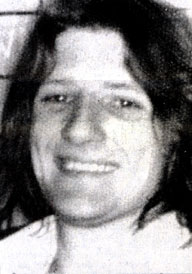
How the legacy of Bobby Sands has come full circle
Reviled by unionists and venerated by republicans, Bobby Sands' legacy lives on. MARTINA PURDY reports.
IT'S almost as if Bobby Sands never died at 1.17am on May 5, 1981.
Months after his death, a St Patrick's Day Parade in New York made him its honorary grand marshall. Books written by him appeared on bookshelves.
In August 1984, the lRA man and former MP for Fermanagh-South Tyrone made his mark as a songwriter with two of his prison songs high in the Irish charts.
And, every day, his image can be seen on the Falls Road.
Moreover, 17 years after his death, there are still those prepared to speak for him, notably at an anti-Agreement rally in May.
Michael Devine jnr, the son of another hunger-striker, suggested Bobby Sands would not have supported the Yes vote.
"The hunger-strikers did not accept the system or play by the rules as we are told to do," he said. "They did not accept compromises."
This week, following the Omagh massacre, someone again tried to speak for Bobby Sands.
The person painted this message for his sister, whose 32-County Sovereignty movement has been linked by police to the Real IRA, which claimed the Omagh bomb, killing 28 people and unborn twins.
(Among those who died was the cousin of a Sinn Fein activist.)
Said the graffiti: "Bernadette! Bobbies (sic) turning in his grave. RIP."
Sinn Fein has been careful to leave Bobby Sands out of the debate on the peace process.
Jim Gibney, a prominent member of Sinn Fein and a key architect of the peace process, was a close personal friend of Bobby Sands. He served on the H-Block Committee.
Mr Gibney said no one can speak for the dead, but insists Sinn Fein is fulfilling Sands' legacy by continuing the struggle for Irish unity. Again, a philosophy that is anathema to unionists.
He said Bobby Sands must be seen in the context of his era and the conditions that were prevailing then.
"We are continuing the struggle for independence, and we are trying to fulfill the objectives people like Bobby Sands died for."
"The man is not here. This (talks) strategy was developed quite a number of years after his death so it would be wrong of anyone to say what his views on that would have been.
"What you can say is the man was committed to republicanism and the republican struggle, as Sinn Fein is.
"No one can speak for Bobby Sands other than what he has left behind and anyone who tries to speak on his behalf is doing him a disservice."
Until last December, when Bernadette Sands emerged to court the media and attack the talks process, the Sands family largely shunned reporters.
Occasionally, out of concern for Bobby Sands' memory, the family spoke out through a solicitor or in letters to newspapers.
His mother, Rosaleen, now in her 70s, lives quietly in Twinbrook.
What she makes of her daughter's reputation as a republican dissident (and her television appearances this week - distancing herself from the Omagh bomb) can only be a matter of conjecture.
Mrs Sands and her family members failed to turn up at an unveiling ceremony earlier this month for a new Sands memorial in Twinbrook. Sinn Fein said the family were invited but were on holiday.
Last November, Bernadette Sands - who lives with a noted republican in Dundalk - found herself publicly pitted against her Brother's former comrades.
The Times newspaper reported that Rosaleen Sands had intervened to prevent the rift within the republican movement from growing.
The newspaper quoted a "well-named source" as saying: "The mother was very adamant her son's name should not be used."
Later that month, through a solicitor, the Sands family condemned attempts to draw its members into speculation about a republican split or mediation attempts. '
Significantly, the family also revealed it had "grave reservations" about the political negotiations.
When Bernadette Sands-McKevitt stepped into the spotlight, articulate and determined, she was careful not to claim she spoke for her dead brother. Her name, however, guaranteed attention, both at home and abroad.
Physically, she resembles her brother, with the same wide-set eyes, high cheekbones, and fair complexion.
It was Ms Sands-McKevitt who chose to be interviewed 10 years after her older brother's death, finally breaking her silence to the Irish Press.
Perhaps it is not surprising that this woman - who was just 22 when her brother died after 66 days on hunger strike - found the compromise of the Good Friday Agreement impossible to accept.
In the Irish Press interview, she spoke of betrayal everywhere during the hunger strike, focusing her wrath particularly on those in the Catholic Church and Irish government, which tried to put pressure the family to end the protest.
"We were the only ones who never let him down," she said.
There was neither praise nor criticism for Sinn Fein, of which she is not a member.
While not overtly stating what her brother would make of the peace process, she made several statements about him during many interviews and speaking engagements.
"My brother didn't die for cross-border bodies with executive powers," was one example.
While Bobby Sands mustered thousands for his cause, his sister, even in the heartland of west Belfast, failed to make a significant impact.
Days before the May 22 Referendum, she spoke in Conway Mill, just around the corner from the Sands mural. Less than 100 people came to hear her, many of them pro-Agreement Sinn Fein members observing the proceedings.
Reviled by unionists and venerated by republicans, Bobby Sands' legacy lives on. MARTINA PURDY reports.
IT'S almost as if Bobby Sands never died at 1.17am on May 5, 1981.
Months after his death, a St Patrick's Day Parade in New York made him its honorary grand marshall. Books written by him appeared on bookshelves.
In August 1984, the lRA man and former MP for Fermanagh-South Tyrone made his mark as a songwriter with two of his prison songs high in the Irish charts.
And, every day, his image can be seen on the Falls Road.
Moreover, 17 years after his death, there are still those prepared to speak for him, notably at an anti-Agreement rally in May.
Michael Devine jnr, the son of another hunger-striker, suggested Bobby Sands would not have supported the Yes vote.
"The hunger-strikers did not accept the system or play by the rules as we are told to do," he said. "They did not accept compromises."
This week, following the Omagh massacre, someone again tried to speak for Bobby Sands.
The person painted this message for his sister, whose 32-County Sovereignty movement has been linked by police to the Real IRA, which claimed the Omagh bomb, killing 28 people and unborn twins.
(Among those who died was the cousin of a Sinn Fein activist.)
Said the graffiti: "Bernadette! Bobbies (sic) turning in his grave. RIP."
Sinn Fein has been careful to leave Bobby Sands out of the debate on the peace process.
Jim Gibney, a prominent member of Sinn Fein and a key architect of the peace process, was a close personal friend of Bobby Sands. He served on the H-Block Committee.
Mr Gibney said no one can speak for the dead, but insists Sinn Fein is fulfilling Sands' legacy by continuing the struggle for Irish unity. Again, a philosophy that is anathema to unionists.
He said Bobby Sands must be seen in the context of his era and the conditions that were prevailing then.
"We are continuing the struggle for independence, and we are trying to fulfill the objectives people like Bobby Sands died for."
"The man is not here. This (talks) strategy was developed quite a number of years after his death so it would be wrong of anyone to say what his views on that would have been.
"What you can say is the man was committed to republicanism and the republican struggle, as Sinn Fein is.
"No one can speak for Bobby Sands other than what he has left behind and anyone who tries to speak on his behalf is doing him a disservice."
Until last December, when Bernadette Sands emerged to court the media and attack the talks process, the Sands family largely shunned reporters.
Occasionally, out of concern for Bobby Sands' memory, the family spoke out through a solicitor or in letters to newspapers.
His mother, Rosaleen, now in her 70s, lives quietly in Twinbrook.
What she makes of her daughter's reputation as a republican dissident (and her television appearances this week - distancing herself from the Omagh bomb) can only be a matter of conjecture.
Mrs Sands and her family members failed to turn up at an unveiling ceremony earlier this month for a new Sands memorial in Twinbrook. Sinn Fein said the family were invited but were on holiday.
Last November, Bernadette Sands - who lives with a noted republican in Dundalk - found herself publicly pitted against her Brother's former comrades.
The Times newspaper reported that Rosaleen Sands had intervened to prevent the rift within the republican movement from growing.
The newspaper quoted a "well-named source" as saying: "The mother was very adamant her son's name should not be used."
Later that month, through a solicitor, the Sands family condemned attempts to draw its members into speculation about a republican split or mediation attempts. '
Significantly, the family also revealed it had "grave reservations" about the political negotiations.
When Bernadette Sands-McKevitt stepped into the spotlight, articulate and determined, she was careful not to claim she spoke for her dead brother. Her name, however, guaranteed attention, both at home and abroad.
Physically, she resembles her brother, with the same wide-set eyes, high cheekbones, and fair complexion.
It was Ms Sands-McKevitt who chose to be interviewed 10 years after her older brother's death, finally breaking her silence to the Irish Press.
Perhaps it is not surprising that this woman - who was just 22 when her brother died after 66 days on hunger strike - found the compromise of the Good Friday Agreement impossible to accept.
In the Irish Press interview, she spoke of betrayal everywhere during the hunger strike, focusing her wrath particularly on those in the Catholic Church and Irish government, which tried to put pressure the family to end the protest.
"We were the only ones who never let him down," she said.
There was neither praise nor criticism for Sinn Fein, of which she is not a member.
While not overtly stating what her brother would make of the peace process, she made several statements about him during many interviews and speaking engagements.
"My brother didn't die for cross-border bodies with executive powers," was one example.
While Bobby Sands mustered thousands for his cause, his sister, even in the heartland of west Belfast, failed to make a significant impact.
Days before the May 22 Referendum, she spoke in Conway Mill, just around the corner from the Sands mural. Less than 100 people came to hear her, many of them pro-Agreement Sinn Fein members observing the proceedings.
Further Information
Publisher: BELFAST TELEGRAPH
Ref: BT/0188
Published Date: 22-Aug-98
Related Images